
A bedroom can feel occupied even when no one else is there. Sleep paralysis can produce that sensation as someone wakes or falls asleep. Researchers have also induced a feeling of another presence by disrupting the signals people receive from their own bodies. Those findings offer explanations for particular experiences that often become ghost stories.
In an October 28 Q&A, Wake Forest University psychologist Melissa Maffeo describes how people interpret ambiguous sensations. A poorly heard sound or an unexplained light does not arrive with an explanation attached. What a person believes and expects can influence the account they give of it. Halloween provides plenty of familiar supernatural explanations, but testing a proposed cause requires more than an unsettling story.
Waking up without being able to move
Sleep paralysis happens around the transition into or out of sleep. A person can feel awake while being unable to move or speak. The experience can include a sense of someone in the room or something pressing down, and it can last several minutes, according to the UK's National Health Service.
Maffeo connects these experiences with rapid eye movement, or REM, sleep, when vivid dreams and temporary muscle paralysis can overlap with waking awareness. That timing gives a frightening bedroom encounter a specific sleep-related explanation. It does not establish the cause of every unusual sight or sound someone reports while fully awake.
Estimates vary by population. A 2011 systematic review combined 35 studies involving 36,533 people. It reported at least one lifetime episode in 7.6% of general-population participants, compared with 28.3% of students and 31.9% of psychiatric patients. Those are different groups in an older review, not interchangeable estimates of how often all Americans experience sleep paralysis today.
A presence created through conflicting body signals
A 2014 study in Current Biology examined the feeling that someone is nearby despite nobody being visible. Olaf Blanke and colleagues studied neurological patients who experienced it, then developed a robotic system that created conflicts between movement and touch signals in healthy participants.
The experiment induced a feeling of another presence and related distortions of body perception. The researchers interpreted it as a misidentification of signals coming from the participant's own body. This was a deliberately arranged laboratory effect, not evidence that people reporting a presence all have the same neurological condition. It demonstrates a mechanism researchers could manipulate under controlled conditions.
What happened in an artificial haunted room
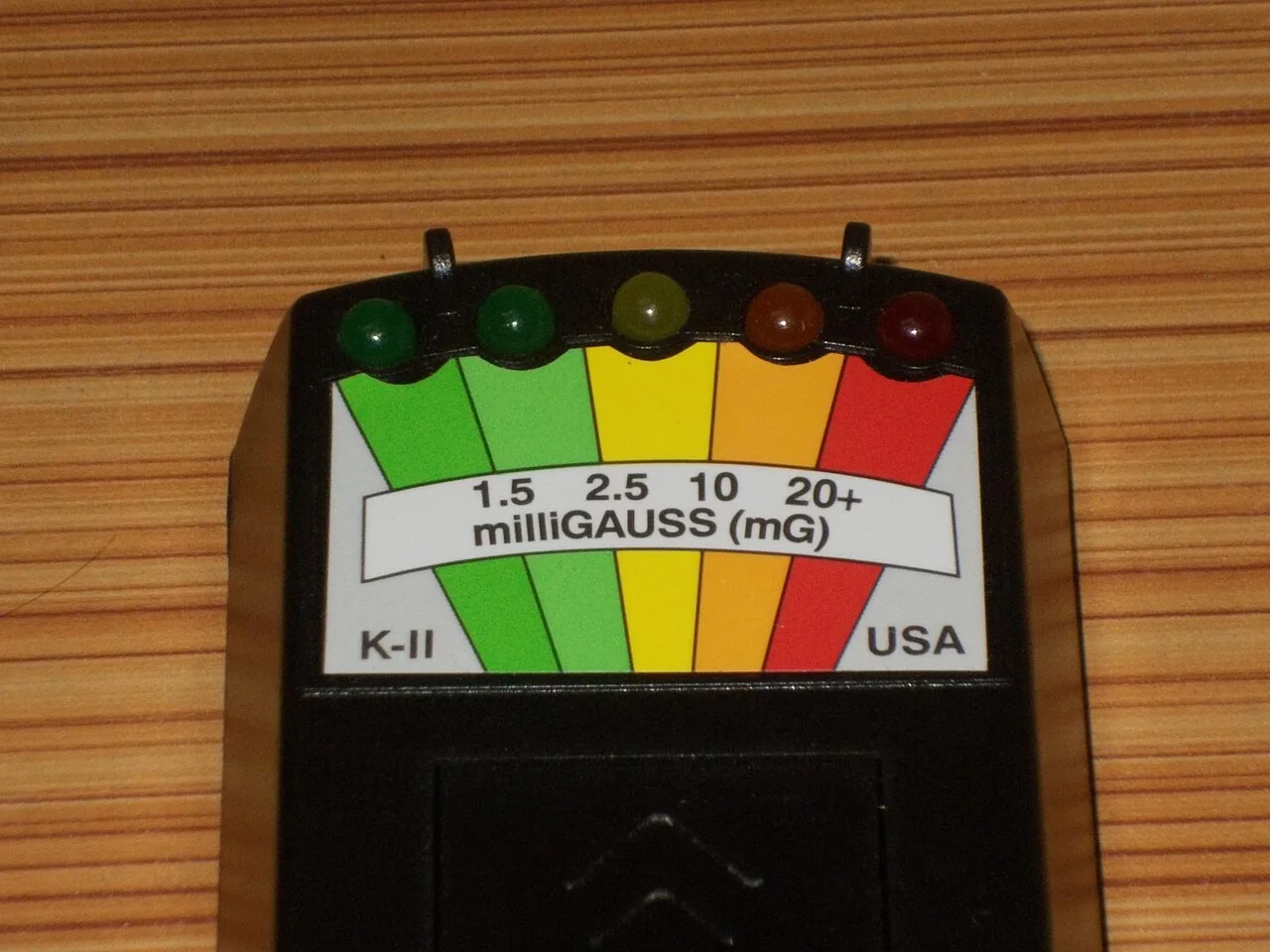
Electromagnetic-field meters feature in ghost hunting, but a field reading cannot by itself establish what caused someone's experience. The Haunt project, published in the journal Cortex in 2009, tested a related proposition: could electromagnetic fields or very low-frequency sound produce sensations associated with haunted places?
Seventy-nine participants spent 50 minutes in a specially constructed room. They encountered electromagnetic fields, infrasound, both or neither. Researchers told them they might experience unusual sensations and asked them to record what happened and where.
Many reported unusual experiences. Their number did not depend on the experimental condition, however. The authors considered suggestibility the most economical explanation for their findings.
The study also had limits. Participants moved freely, and researchers did not record how long each spent in each part of the room. That made individual exposure harder to specify. The experiment did not support the proposed environmental causes under its conditions; it did not test every possible field, sound or real-world setting.
When the experience disrupts sleep
The NHS links sleep paralysis with disrupted sleep patterns, including shift work and jet lag, among other conditions. It recommends talking to a clinician when frequent episodes make someone afraid to sleep or leave them persistently tired. A frightening episode alone does not identify its underlying cause.
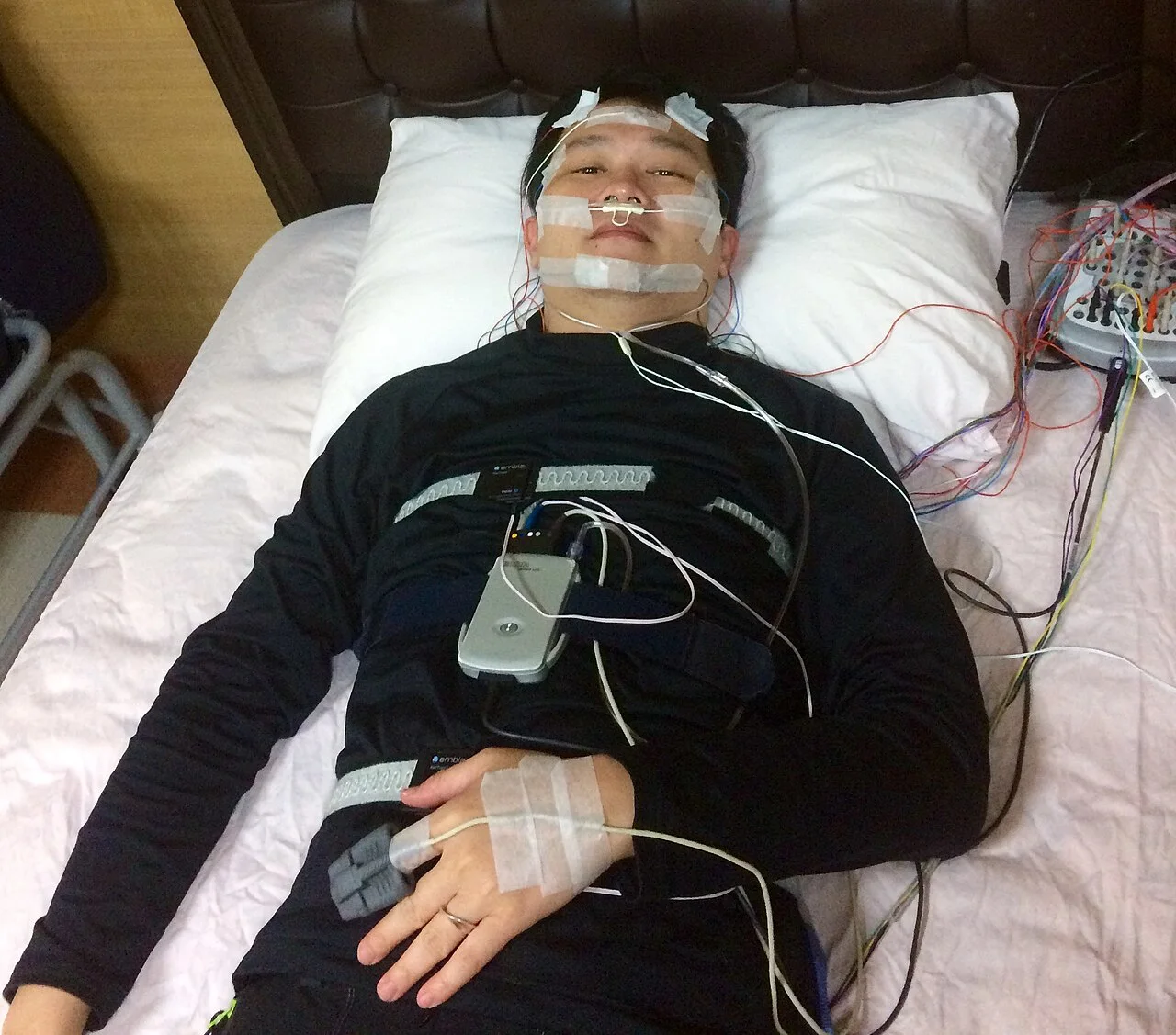
When clinicians investigate a sleep disorder, sleep studies can record brain waves, breathing, heart rate and blood oxygen overnight. Sensors may be placed on the scalp, face, chest and limbs. The National Heart, Lung, and Blood Institute says a doctor decides whether testing belongs in a sleep center or at home and uses the results to assess sleep disorders.