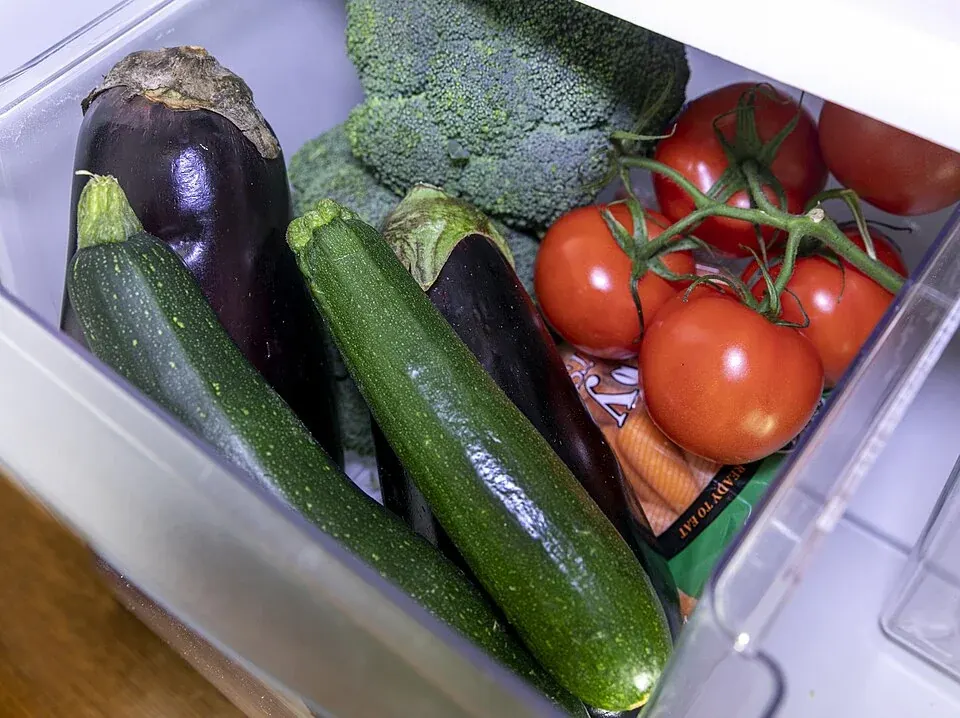
Checking the refrigerator, freezer and pantry before shopping can prevent duplicate purchases and give usable leftovers a place in the week's meals. World Food Day falls on October 16.
The Food and Agriculture Organization's World Food Day page includes reducing food waste among household actions. Identify what needs using, choose familiar meals and buy the missing ingredients.
Give the food a destination
| What you find | Decision before shopping |
|---|---|
| Ingredients for most of a meal | Add only the missing parts to the list |
| Bread you will not finish | Freeze usable portions |
| A cooked dish with no planned meal | Choose when to eat it or freeze it safely |
| Duplicate pantry items | Cross the duplicate purchase off the list |
The EPA's household guide recommends planning around food already on hand and the number of meals actually eaten at home. An evening out and a lunch away from home both reduce how much needs buying. Put quantities on the list instead of writing only a category such as vegetables.
Keep food safety separate from the desire to avoid waste. A meal plan cannot repair food stored unsafely. Use official storage guidance for the food concerned, and do not rely on appearance alone to judge whether something is safe.
For food you can freeze, make the eventual meal easier. Seattle Public Utilities recommends meal-size portions and labels showing contents and dates. A container labeled soup, with a date and enough for one lunch, is easier to use than an anonymous frozen block.
Leave the use-first list where the person preparing dinner will see it. At the next shopping trip, check what remains before adding a second round of ingredients.