Democrats have won control of the U.S. Senate, taking seven Republican-held seats in Tuesday's midterm elections. The result ends two years in the minority for the party and changes the balance of power President Donald Trump faces for the rest of his term.
The seven pickups came in North Carolina, South Carolina, Texas, Ohio, Kansas, Iowa and Maine. The Senate's party division going into the election was 53 Republicans, 45 Democrats and 2 independents who vote with Democrats, so seven flips would put the Democratic side at 54 seats if it also holds its open seats in Michigan and Minnesota. Losing both would still leave 52. These are election-night results; states certify the official counts later.
The Republican-held seats that flipped

| State | Democratic winner | Republican seat holder before the election |
|---|---|---|
| North Carolina | Roy Cooper | Thom Tillis, who is retiring |
| South Carolina | Annie Andrews | Darline Graham |
| Texas | James Talarico | John Cornyn |
| Ohio | Sherrod Brown | Jon Husted |
| Kansas | Adam Hamilton | Roger Marshall |
| Iowa | Josh Turek | Joni Ernst, who is retiring |
| Maine | Troy Jackson | Susan Collins |
Turek beat Republican Ashley Hinson for Ernst's open seat in Iowa. In Maine, Collins conceded to Jackson shortly before 12:30 a.m. Eastern, ending 30 years in the Senate.
What Senate control changes
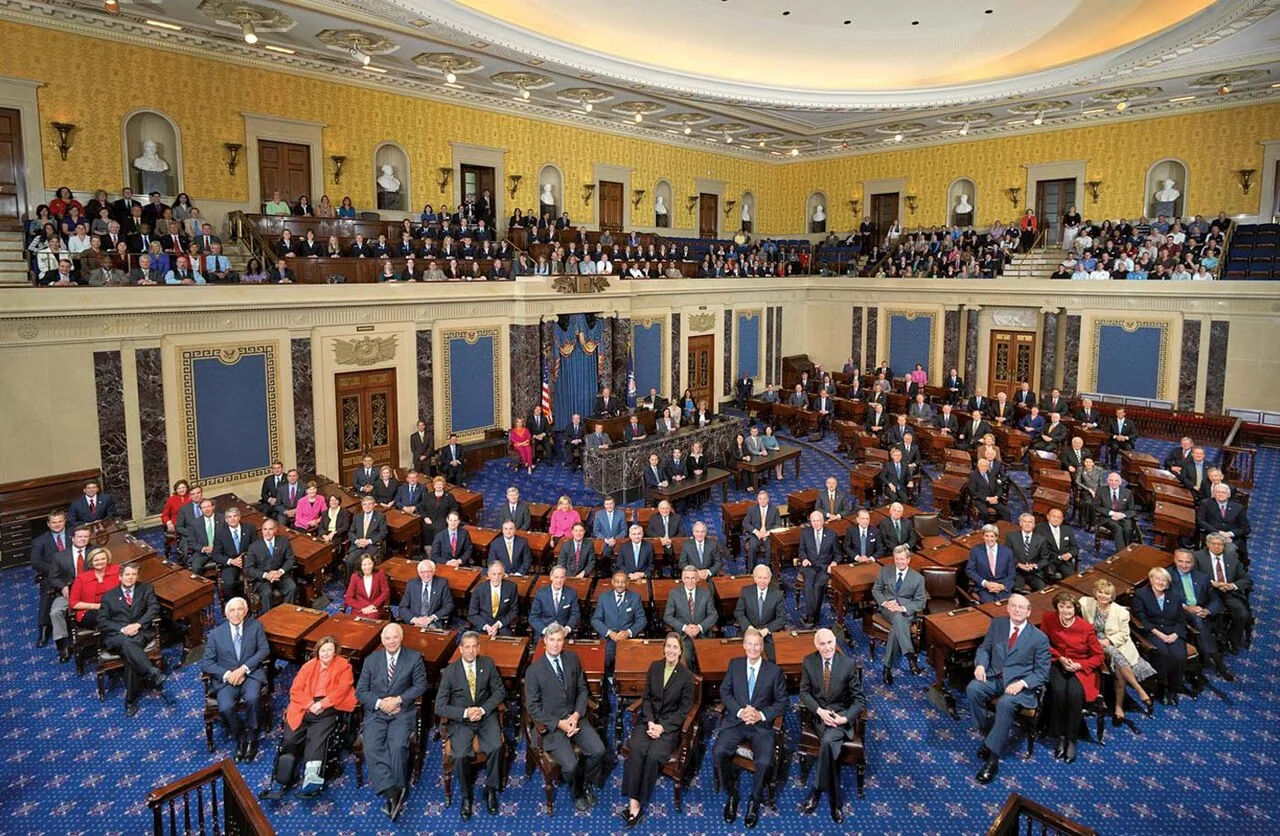
The Senate approves or rejects presidential nominations to executive and judicial posts, including the Supreme Court. With a majority, Democrats will decide whether Trump's nominees get hearings and floor votes. The chamber's own description of its powers also covers its investigations and its part in writing legislation.
Under current Senate rules, ending debate on most legislation usually takes 60 votes, more than a simple majority, so Democrats will still need some Republican support to pass most bills.
House control is a separate count. New senators take office in January.