The Interior Department's new five-year strategy calls for offering federal land to states, local governments and tribes. The department says shrinking its land holdings would let it concentrate on its core duties and on land it considers nationally significant. The 2026 to 2030 plan gives no parcel list, acreage target or sale dates for that proposal.
For people who use federal land to camp, hunt or reach a trail, the document to watch is a notice identifying the parcel. It can show whether a proposed sale includes a road or access point, who would buy the land and what restrictions would carry over to the new owner. A parcel already listed as eligible for disposal can stay in federal ownership for years.
Which lands can the BLM sell?
Congress directed the Bureau of Land Management to retain most public lands in federal ownership under the 1976 Federal Land Policy and Management Act. The law also allows sales in specific circumstances. A tract can qualify if it is too difficult or costly to manage and unsuitable for another federal agency, or if the government acquired it for a purpose that no longer exists and has no other federal use for it. A sale can also qualify if it serves an important public objective that cannot reasonably be met elsewhere and outweighs the benefits of keeping the land, including recreation and scenery.
The statute excludes lands in the federal wilderness, wild and scenic river, and national trails systems from this sale authority. That list is specific to the law. The department's phrase “nationally significant” describes its strategic priority. It does not supply a legal test for whether a parcel can be sold.
The BLM says it identifies potentially available land in its resource management plans. Its map is a starting point for finding those planning decisions. A sale still takes a separate process. The statute sets fair market value as the minimum price, generally requires competitive bidding and allows exceptions. Tracts larger than 2,500 acres also face a congressional notice period under the statute.
What a sale notice tells you

Under the BLM's sale rules, the agency issues a notice at least 60 days before a sale and allows 45 days from issuance for public comments. The notice sets out the sale method and terms, including conditions or rights that the government proposes to reserve. Look for the legal description and any project map, then compare them with the route or place you use. If the proposal affects a trail connection or a road to adjacent public land, a comment can identify that connection and explain how people use it.
The Federal Register carries those notices. The BLM's ePlanning register can also provide maps, environmental documents and instructions for open comment periods. Use the date and submission instructions in the individual notice. The five-year strategy itself sets no nationwide comment deadline for land sales.
What happened at Calcasieu Pass
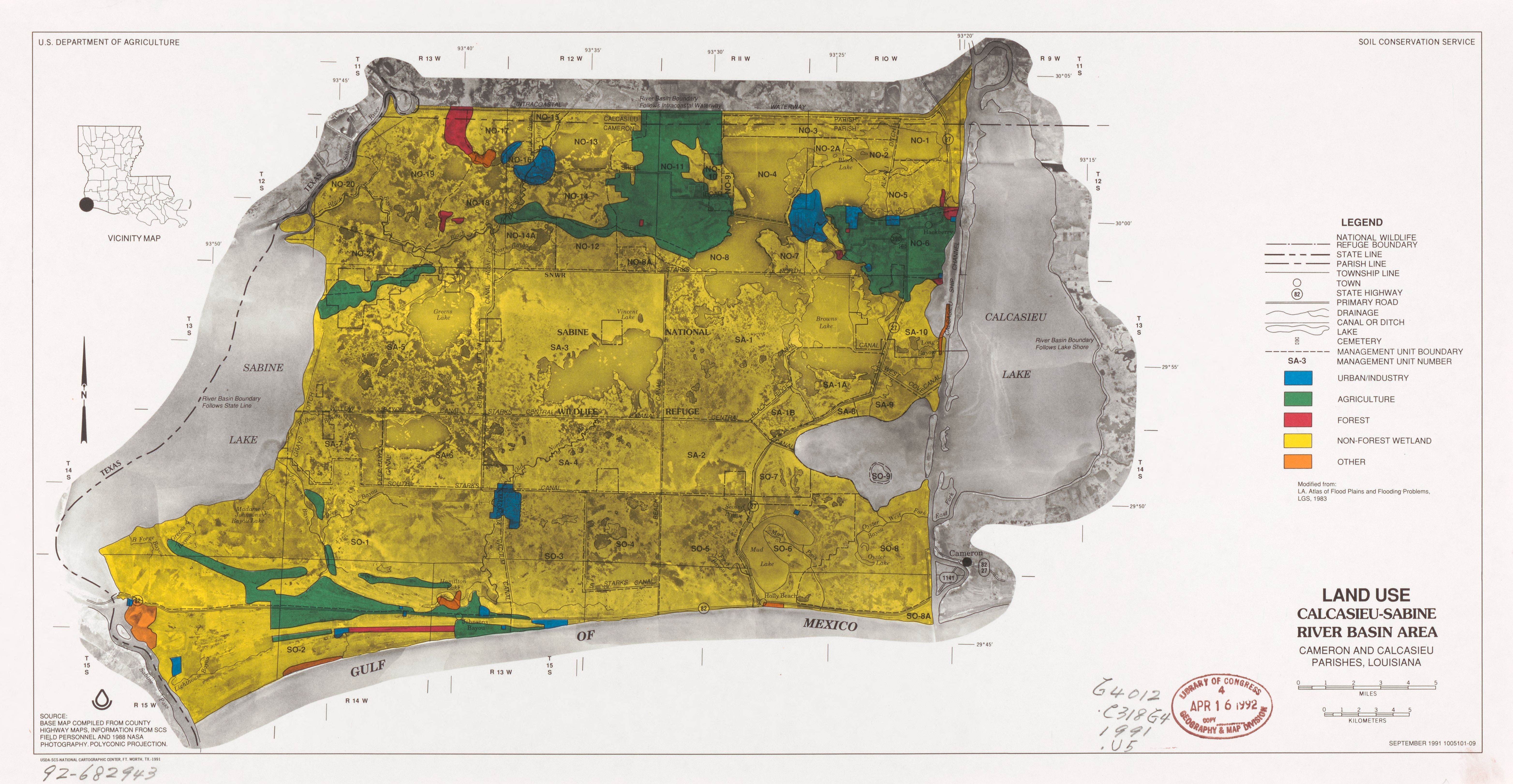
A completed sale in Cameron Parish, Louisiana, shows how much detail a parcel-specific record can add. The BLM's June notice identified about 2.97 acres at the former Calcasieu Pass Radio Beacon Station and named the proposed buyer, an affiliate of Venture Global LNG. A separate agency announcement set July 16 as the deadline for comments.
On Nov. 10, the BLM reported that the sale had closed for $1,034,400, the appraised value. The Coast Guard had already said it no longer needed the station property. The June notice named a private buyer under existing law, months before Interior posted its new strategy. Any sale to a state, locality or tribe under the new initiative would need its own record showing what land was involved and on what terms.