U.S. health officials recorded 13 cases of measles passed to babies before birth between January 2025 and late September 2026. The cases appear in a preliminary report published Nov. 16 in NEJM Evidence that documents 112 confirmed measles infections during pregnancy. The findings put numbers to a risk that had rarely been seen in the United States in recent years.
If you’re pregnant and think you were exposed, the Centers for Disease Control and Prevention says to call your health care provider right away and before going in person. Tell the office when the exposure happened and what you know about your measles vaccination history. A provider can check whether you’re already protected and whether treatment after exposure is appropriate.
What the report found
Sixteen U.S. jurisdictions reported the 112 cases to the CDC from Jan. 1, 2025, through Sept. 28, 2026. Of those patients, 26 were hospitalized for reasons other than labor or delivery, and 11 developed pneumonia. The report says 110 of the 112 patients had received no doses of the MMR vaccine before pregnancy or had an unknown vaccination history.
Researchers had information on how the pregnancy ended for 37 of the 112 patients. For another 19, they presumed the pregnancy was still ongoing, and for 56 the outcome was unknown. The 13 newborn cases came from a small group of infants born within two weeks of the mother’s rash starting. Of the 19 babies born alive within that window, eight were premature. The study gives an early picture of reported cases. It cannot estimate how often an infection during pregnancy is passed to a baby.
Why the first call matters
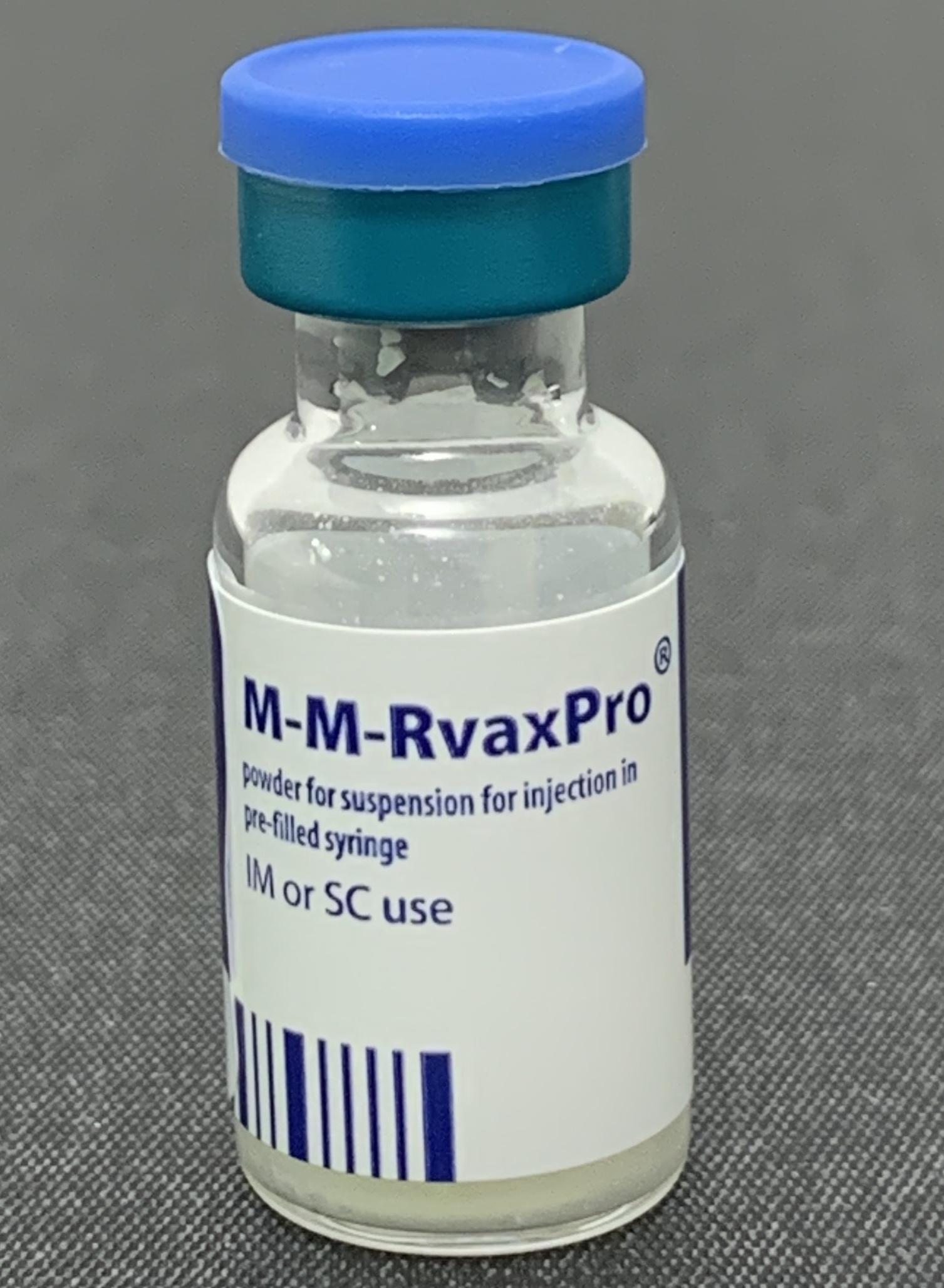
The CDC’s guidance for clinicians says immune globulin may help protect eligible people without immunity if given within six days of exposure. For a patient exposed during pregnancy who lacks evidence of immunity, the report points doctors to intravenous immune globulin. Call promptly so the care team has time to assess the exposure. Anyone who develops fever and a rash during pregnancy should also call before arriving at a clinic, especially after a known exposure or time in an area with an outbreak.
The CDC recommends checking measles immunity and getting the measles, mumps and rubella (MMR) vaccine before pregnancy if needed. The vaccine is not recommended during pregnancy. For people already pregnant, partners and other household members can check their own vaccination records and ask a clinician whether they need a dose.