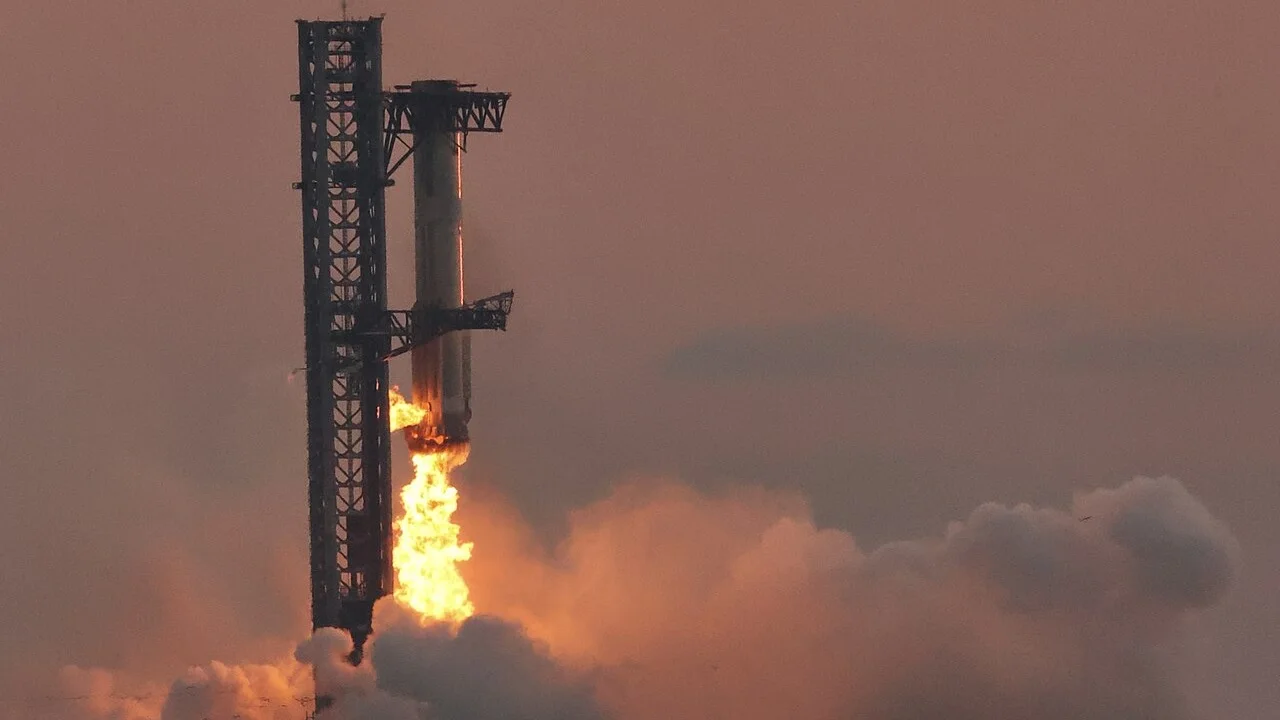
SpaceX plans to launch Starship Flight 15 from Starbase, Texas, as soon as Friday, Nov. 13, and for the first time it will try to catch both stages of the rocket back at the launch tower. The 75-minute launch window opens at 4:45 p.m. Central (2:45 p.m. Pacific, 5:45 p.m. Eastern), according to SpaceX's Flight 15 mission page. The company says the date is pending regulatory approval and that the schedule is likely to change.
If it works, SpaceX will have recovered an entire orbital rocket, booster and upper stage, for the first time. The booster catch would come about six and a half minutes after liftoff. The ship would not come home until the next afternoon.
How to watch
SpaceX says its live webcast will start about 30 minutes before liftoff on the mission page and on its X account, @SpaceX. The company plans to keep coverage going through the ship catch, with the possibility of hours of live views from Starship in orbit.
The key moments, by SpaceX's timeline:
| Event | Time after liftoff | If launch is at 4:45 p.m. CT Friday |
|---|---|---|
| Super Heavy booster catch | about 6 min 35 sec | about 4:52 p.m. CT Friday |
| Starship deorbit burn | about 21 hr 36 min | about 2:21 p.m. CT Saturday |
| Starship catch at the tower | about 22 hr 33 min | about 3:17 p.m. CT Saturday |
The clock times are estimates based on SpaceX's published timeline. Any delay in liftoff shifts every later step by the same amount.
What happens during the flight
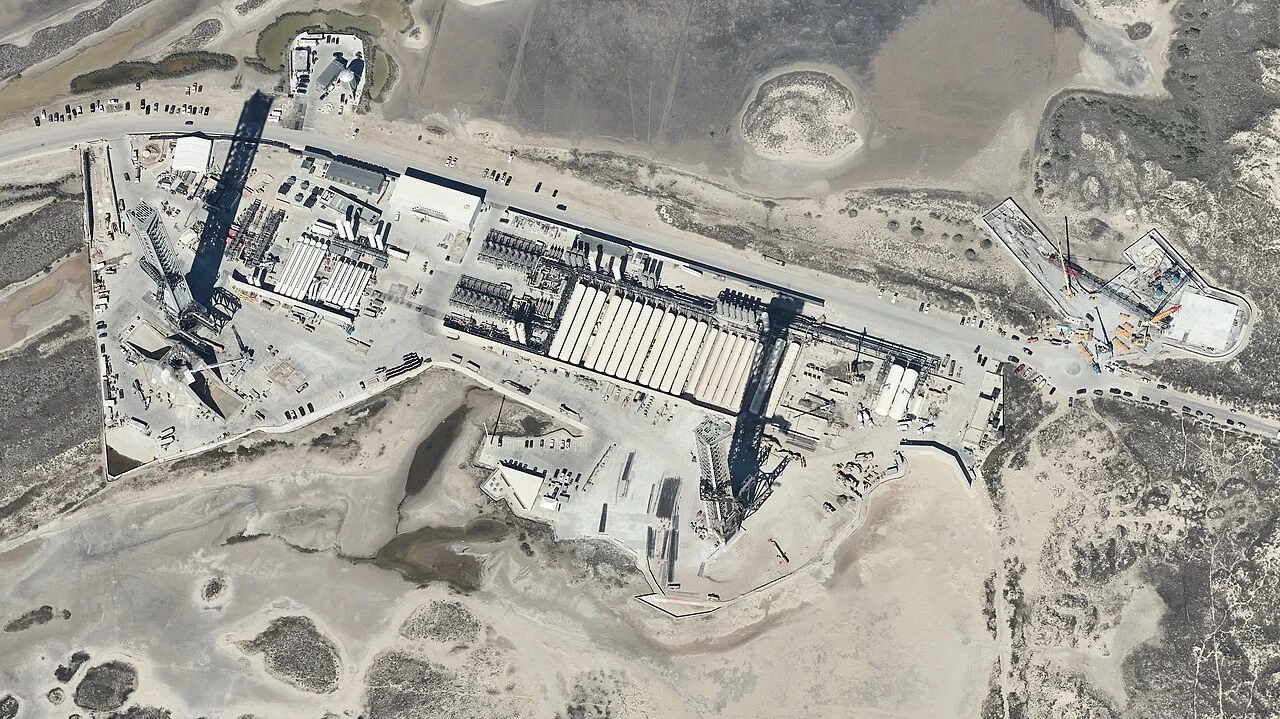
The booster's job is to launch, separate, fly back and be caught by the tower. It will be the first catch attempt for a third-generation Super Heavy booster. SpaceX says three first-generation boosters were caught on earlier flights, and two of them flew again.
Starship itself will climb first to a suborbital path, and only then will flight controllers decide whether to fire an engine and go to orbit, about 275 kilometers up. Once there, the ship is scheduled to release 26 Starlink V3 satellites, three of them fitted with cameras to photograph Starship's heat shield. SpaceX says each V3 satellite adds 1 terabit of capacity to the network.
The ship then coasts for most of a day, about 14 orbits in a flight lasting more than 22 hours, until its path lines up with Starbase.
The route home over Mexico and South Texas
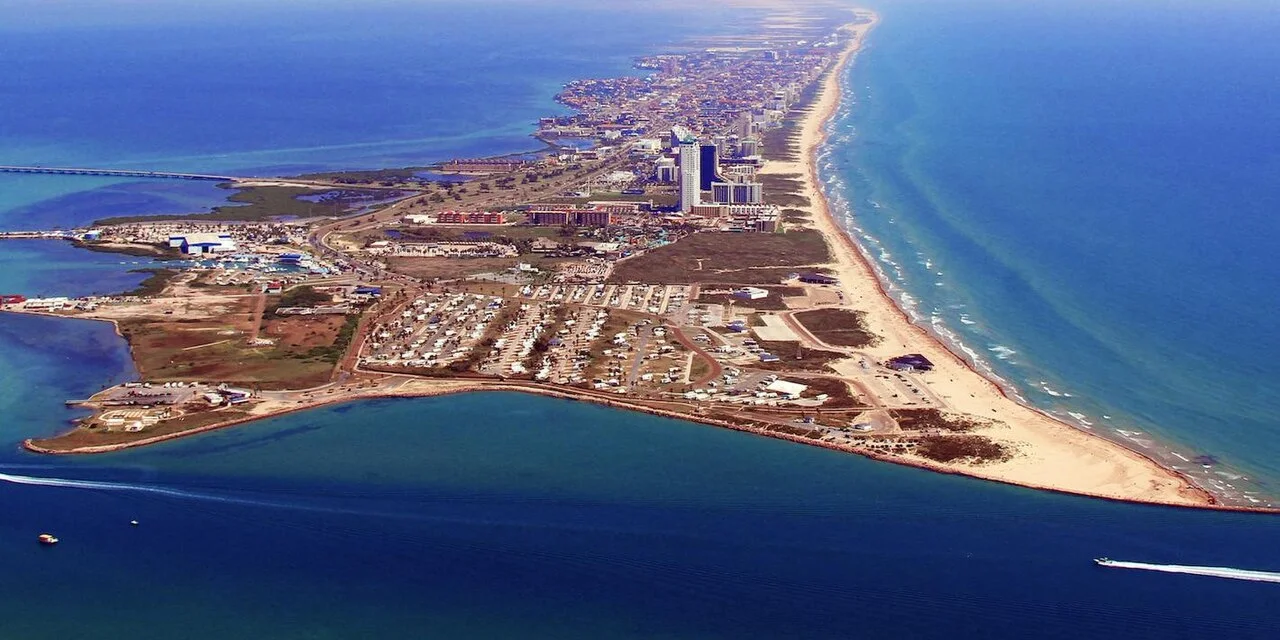
Earlier Starships came down over empty ocean. To reach the tower, this one has to fly over land. In a Nov. 7 update, SpaceX said Starship will reenter over the Pacific, steer with its four flaps across sparsely populated parts of northern Mexico and southern Texas, weave around the larger cities of the Rio Grande Valley, pass north of South Padre Island and turn south toward Starbase over the Gulf.
Residents of Cameron County and nearby areas may hear one or more sonic booms as the ship approaches, the company said. It described a sonic boom as a brief, thunder-like sound that does not present a health risk.
SpaceX says the return will happen only if the ship meets conditions it developed and the Federal Aviation Administration approved. Controllers can end the mission early at several points: splashdowns near Hawaii or off Chile during the orbital coast, a deliberate breakup high in the atmosphere during reentry, or a late diversion into the Gulf if the ship or the tower has a problem.
If everything checks out, Starship will flip upright above the tower, slow to a near hover on one engine, and the tower's arms will close around it.