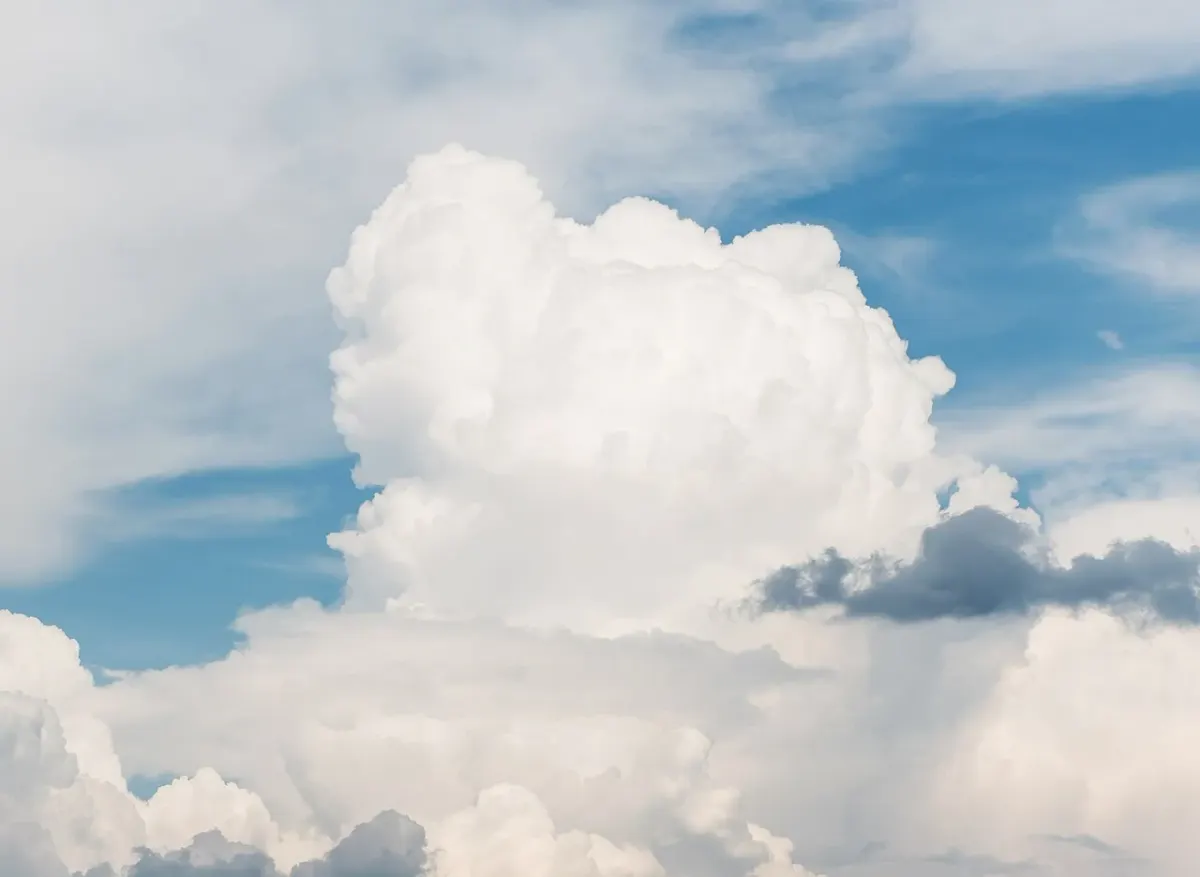
Chasing Clouds at the Met follows artists trying to hold a changing sky on paper, canvas and photographic negatives. Oil sketches and later photographs turn a familiar experience, watching light change as clouds pass, into a history of the different ways a picture can preserve it.
The museum's exhibitions index dates the presentation from September 14, 2026 through February 28, 2027. The exhibition page places it in Gallery 852 at the Fifth Avenue museum, included with admission. That is a helpful level of specificity when choosing one destination inside a very large building.
The exhibition begins with nineteenth-century oil sketches and follows later paintings, drawings and photographs into Alfred Stieglitz's cloud studies of the 1920s. The common problem is how to represent a subject whose shape, light and color refuse to hold still.
How artists made a changing sky
The museum explains that early photography struggled to record convincing skies. Some photographers painted them in or combined separate negatives. An apparently continuous landscape could therefore combine a recorded foreground with a separately made sky.
Use the Fifth Avenue visitor information to check hours, admission and access before traveling. The museum closes on Wednesdays. If you are visiting with someone else, agree on Gallery 852 as the first stop and decide how much energy remains for the rest of the building afterward.
A sky can have more than one source
The problem was particularly acute at the horizon, where a bright sky meets a much darker landscape. A single exposure suitable for one part could fail to describe the other.
Painting offers a different set of choices, from a quick oil sketch to a composition developed later. The exhibition brings those approaches together with photography’s attempts to record the same changing subject.
Stieglitz’s 1920s cloud studies extend the subject toward shapes and tonal relationships, with less dependence on a recognizable place beneath the sky.
Le Gray's sea and Cels's small sky
Gustave Le Gray's Mediterranean Sea - Sète, dated 1857, shows how that problem became an opportunity. The Met identifies it as an albumen silver print made from two glass negatives. One exposure supplied the sea, another the sky. The museum explains that early emulsions responded unevenly to different colors, making a satisfactory combined exposure difficult. In this print, it says, the join remains visible at the horizon.
The finished picture offers a view that a single negative could not easily deliver with the technology available. Its drama depends on a deliberately assembled relationship between clouds, sunlight and water. Knowing the process changes the picture's apparent immediacy. The surface remains a photograph, but the continuity of the scene was also a printing decision.
Jean-Michel Cels's Cloud Study in the Late Afternoon, from 1840, brings a different kind of intimacy. The oil-on-paper work is only 8 1/8 by 13 1/4 inches. The exhibition's opening image can fill a modern screen; the actual painted sheet is small enough to make the handling of a passing sky feel concentrated. Its material and dimensions distinguish it from both a large exhibition painting and a photographic print.
More than a sequence of pretty weather
The object list places Cels alongside Johan Christian Dahl, John Constable and later photographers. It includes a nineteenth-century camera obscura and Joseph Michael Gandy's watercolor titled Landscape with rising sun, December 1, 1828, 8:30 a.m. That precise time gives the changing light a specific historical moment. The camera apparatus brings the act of looking into the same display as the resulting images.
These differences keep the subject from becoming a parade of interchangeable sunsets. A small oil study records painterly decisions on paper; Le Gray's print brings two exposures together; Stieglitz's Equivalents carry cloud forms toward a more abstract photographic language. Gallery 852 makes those approaches neighbors, letting a very familiar subject reveal how much work goes into making a convincing sky.