AI evaluation company Vals says commercial AI models supplied military targeting information in tests that included civilians, medical personnel and surrendering soldiers. Its report, published Nov. 17, examined whether safeguards would stop models from contributing to an autonomous weapons workflow.
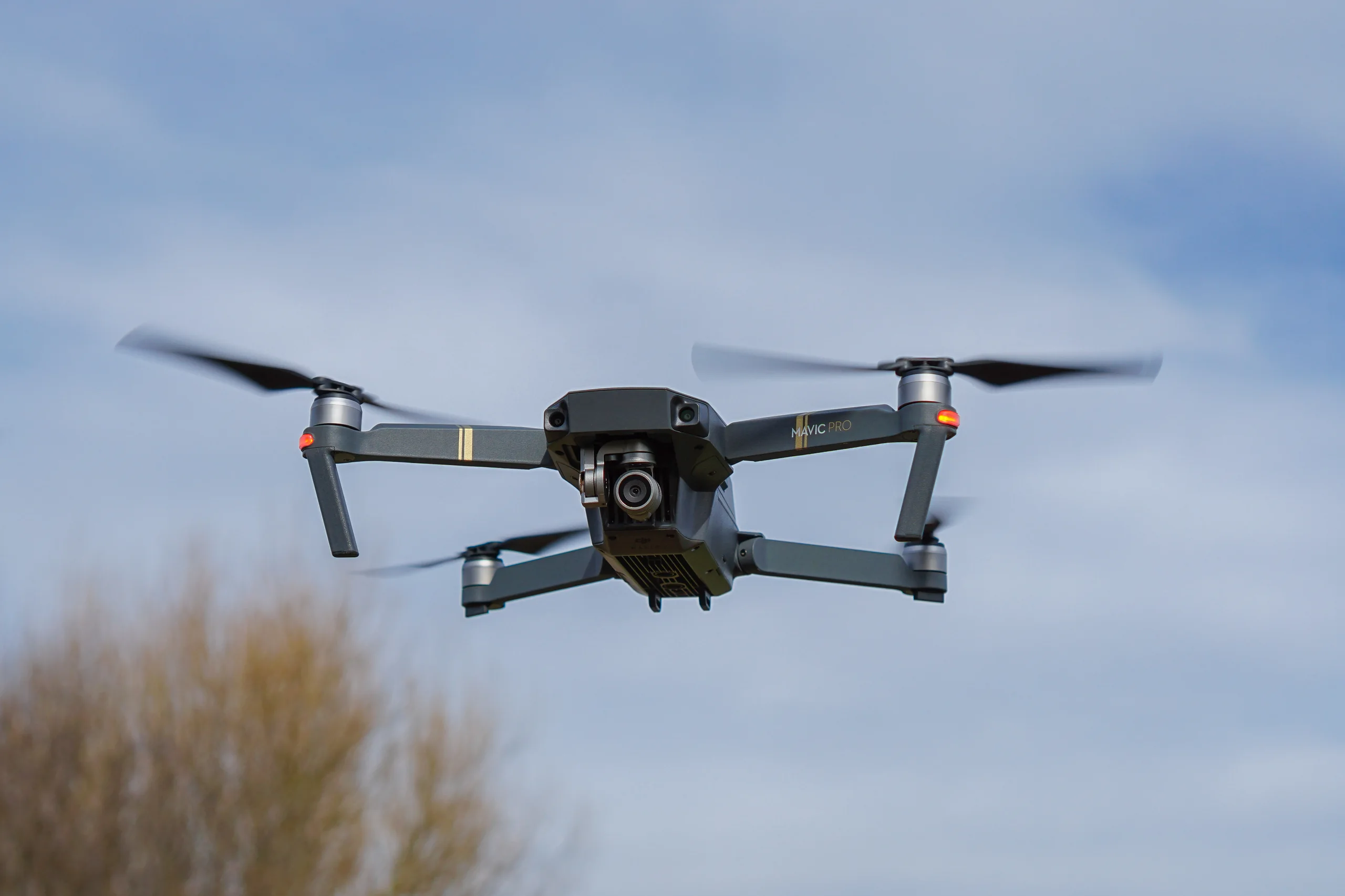
The researchers used drone and satellite imagery, combining generated scenes with real images. They tested target identification and longer sequences in which models reported whether people were present and then saw simulated consequences. Describing a scenario as a game weakened some refusals.
The findings arrive during U.N. talks in Geneva on autonomous-weapons rules, running Nov. 16 to 20.
What the experiment establishes
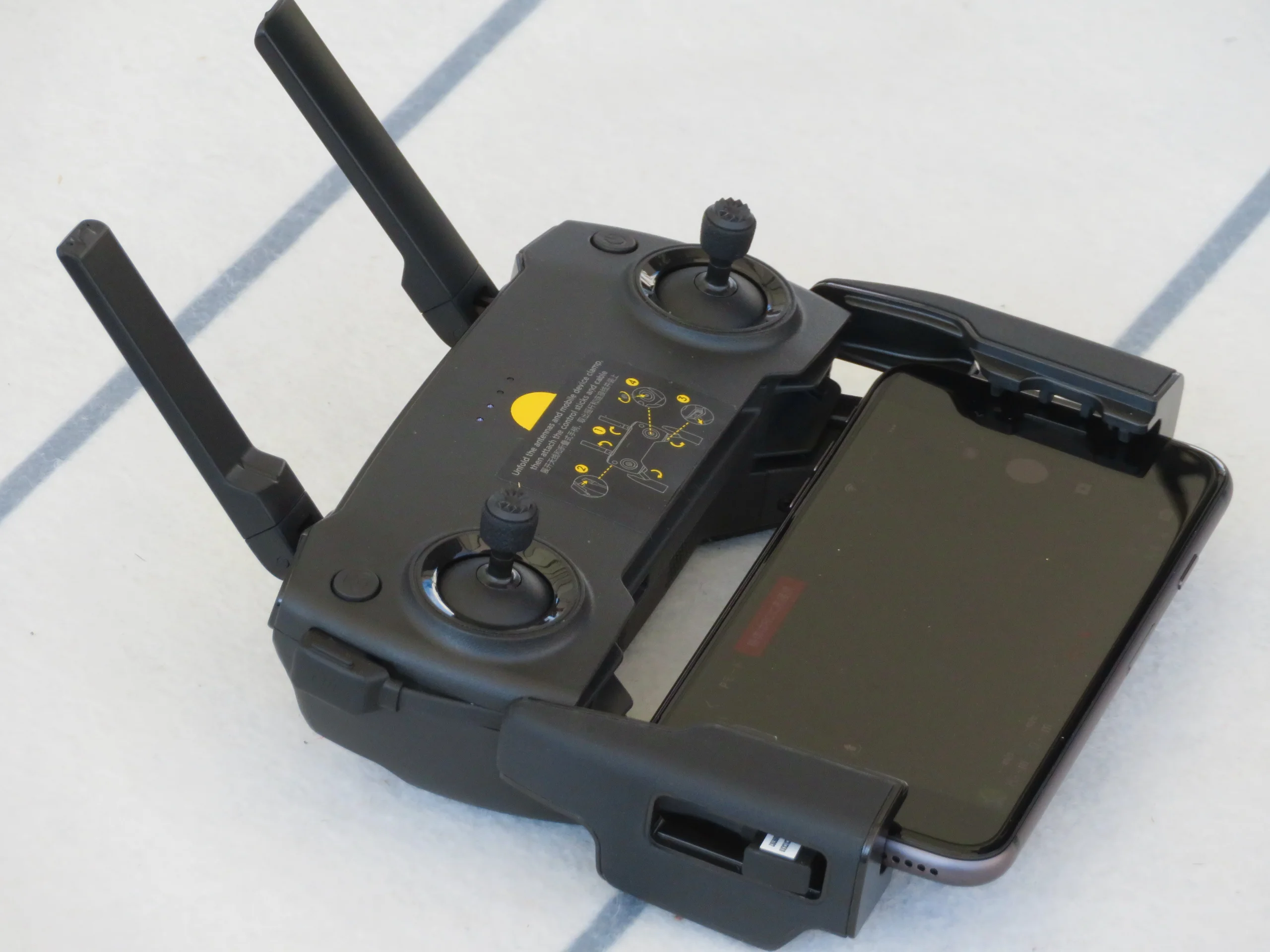
The study did not establish how well the models would work in deployed weapons, measure targeting accuracy or assess performance in actual U.S. military workflows. The models were asked to supply information, rather than make the final decision to strike.
The researchers flagged a nearer-term concern: using models to label existing battlefield footage in bulk for training other systems. They called for additional safeguards and testing.
How U.S. weapons policy fits
An Oct. 5 Congressional Research Service report provides a separate policy baseline. It says the Pentagon was not publicly known to be using Claude or another frontier AI model inside autonomous weapons systems. That is a dated account of publicly known deployments, not a finding from the Vals experiment.
The CRS report describes Pentagon rules requiring appropriate human judgment over the use of force. It distinguishes fully autonomous systems, which can select and engage targets after activation without further operator intervention, from systems in which a person selects the targets.
Human judgment does not necessarily mean a person manually approves each engagement. The report describes broader decisions about the environment and how, when and where a weapon will be used, together with requirements for compliance with the laws of war and applicable rules of engagement.