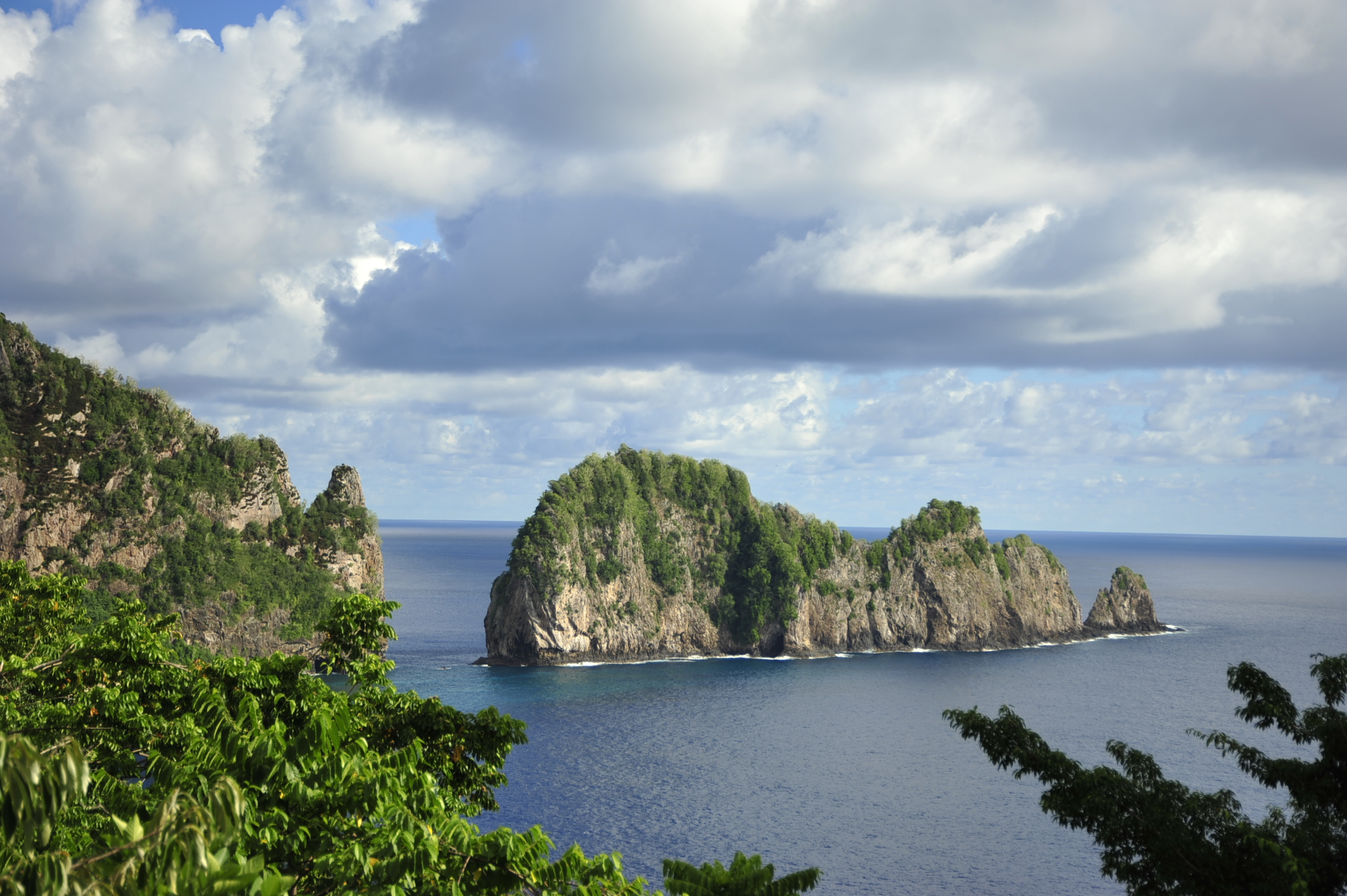
A federal judge has thrown out a wildlife review underpinning the planned Nov. 19 sale of deep-sea mineral leases off American Samoa, finding that federal agencies failed to examine the effects of eventual exploration and mining.
The Marine Minerals Administration still lists the auction for Thursday. Judge Jill A. Otake's Nov. 16 order vacates the National Marine Fisheries Service's letter agreeing that the proposed action was unlikely to adversely affect protected species. Its stated remedy concerns that consultation; it does not announce a replacement auction date.
For residents of the U.S. territory and companies considering its offshore resources, the immediate questions are whether the sale proceeds and how the government will address the missing analysis. Winning a lease would allow preliminary work, with further approvals required before commercial mining.
What the judge found
The agencies treated the sale and preliminary surveys as the action being reviewed. Otake found that approach too narrow under the Endangered Species Act because the leases are intended to lead to mineral development. The ruling grants summary judgment to Fa'asao Amerika Samoa and the Conservation Council for Hawai'i.
The government argued that the staged offshore leasing process limited what the fisheries agency needed to consider at this point. The judge rejected an approach that excluded potential post-leasing effects altogether. The order distinguishes the scope of the project that must be considered from the level of detail available at each stage.
What is being offered
The final leasing notice describes two areas totaling about 31.5 million acres. The primary lease term is 20 years, with a minimum bonus bid of $3 million for each area.
It schedules an ascending oral auction for 9 a.m. Pacific on Nov. 19 at the Ventura County Fire Department headquarters in Thousand Oaks, California. Attendance is limited to qualified bidders and their representatives; the notice provides for a public livestream on the agency's website.
A provisional winning bid is followed by additional steps. The notice says the Justice Department and Federal Trade Commission review results for antitrust issues before bids are accepted and leases issued. The government reserves the right to reject bids.
What a lease permits
The agency's explanation says an initial lease allows preliminary activities such as mapping. Physical exploration, testing and commercial harvesting require a later regulatory process. A lease auction therefore does not establish a date when mining would begin.
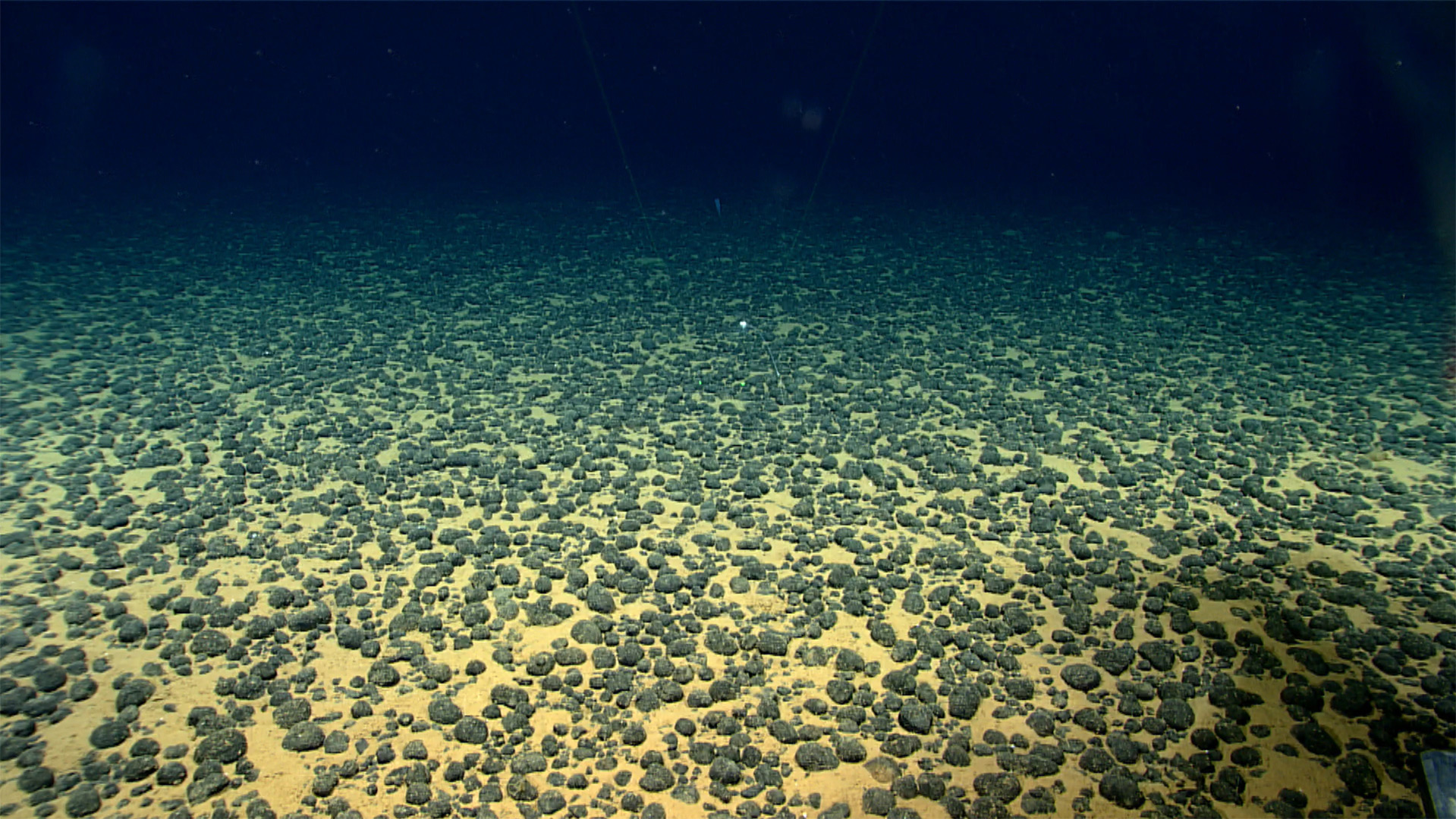
The deposits include polymetallic nodules and ferromanganese crusts. USGS describes nodules as rocks that grow over millions of years on deep-ocean sediments. They can concentrate manganese, nickel and copper, metals sought for manufacturing and technology. Crusts form on exposed rock and can be enriched in cobalt and other metals.
MMA's American Samoa activities page carries the sale materials and schedule. The final notice directs bidders there for changes to the auction's date, time or location.