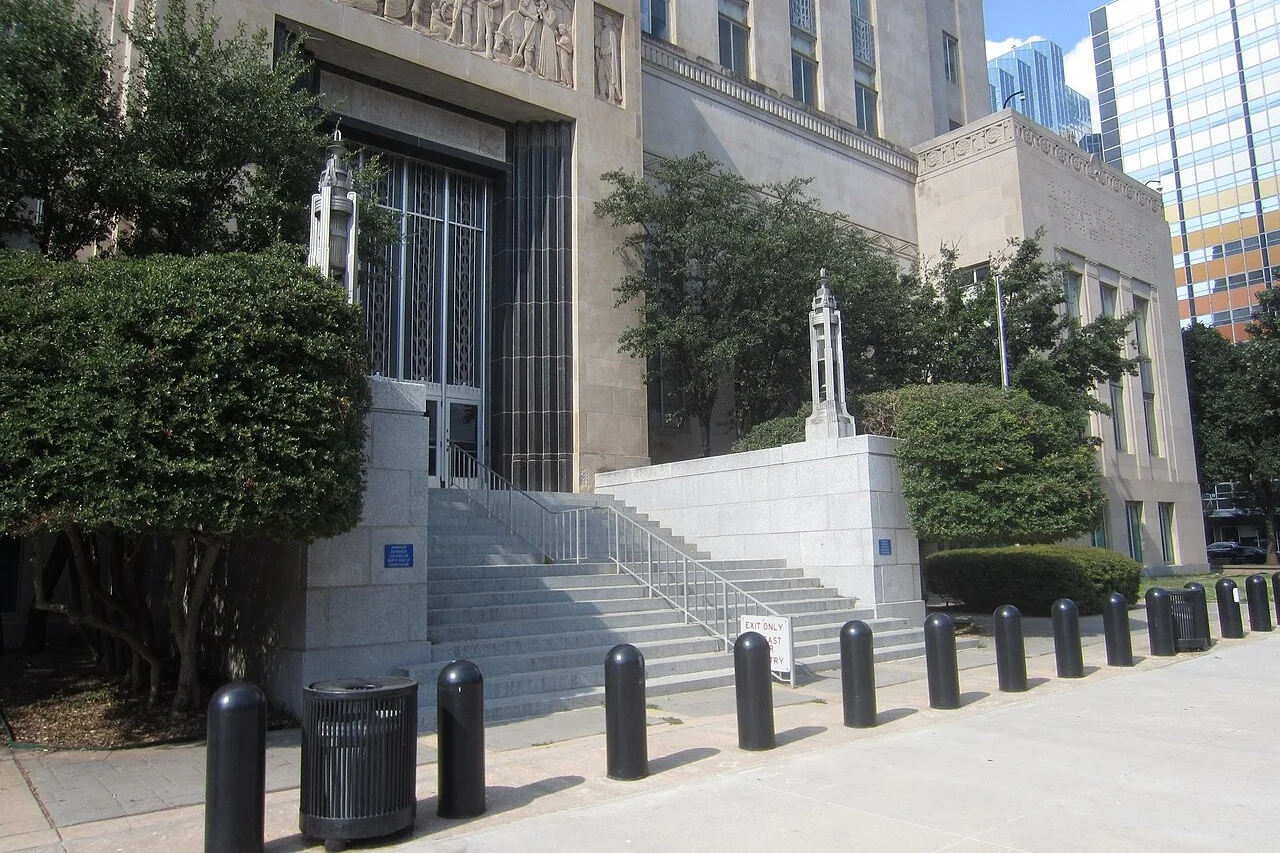
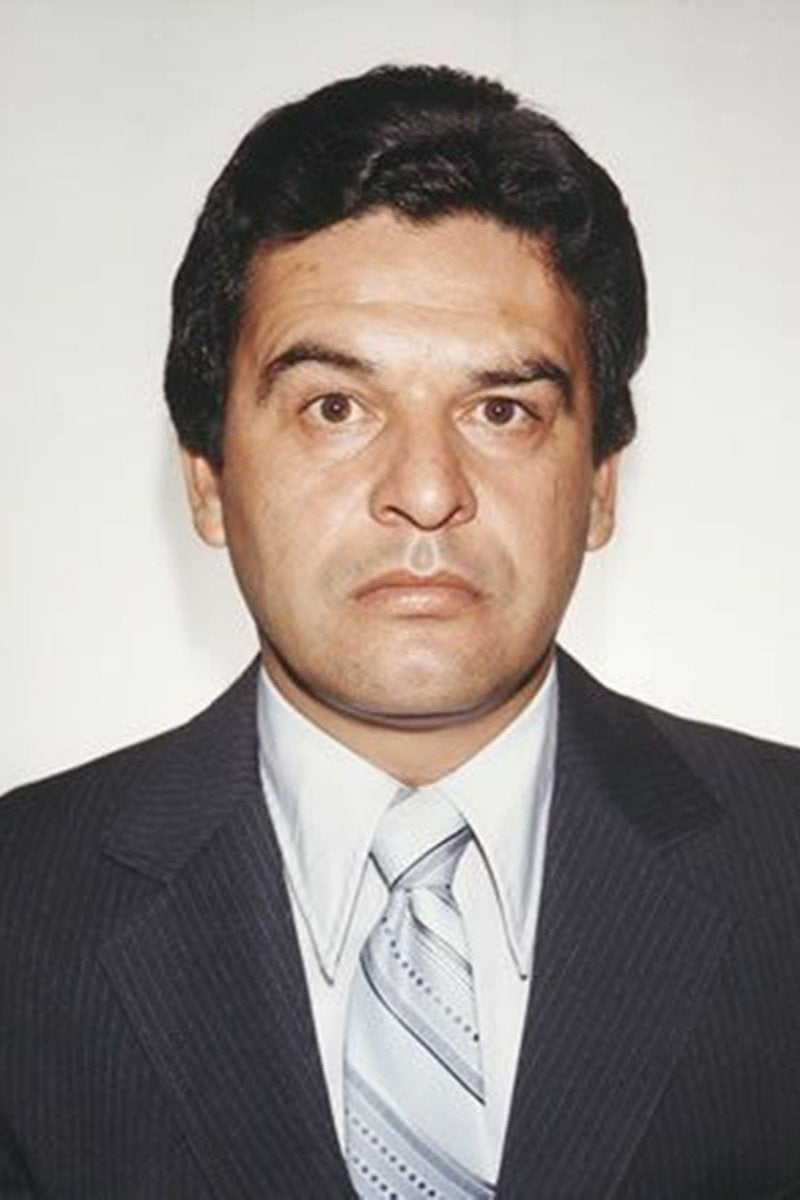
The Senate is scheduled to vote at 5:30 p.m. Eastern on Monday, Nov. 16, on whether to confirm Colorado federal judge Daniel Domenico to the U.S. Court of Appeals for the Tenth Circuit. Domenico would take the seat of Timothy Tymkovich, for whom he once clerked. The Denver-based appeals court hears cases from six states, including Colorado and Oklahoma, where another judicial nomination is on the Senate Judiciary Committee's agenda this week.
The Tenth Circuit seat up for a vote
The Senate's executive calendar records a unanimous consent agreement to take up the nomination and hold the confirmation vote at 5:30 p.m. Eastern, or 3:30 p.m. Mountain and 2:30 p.m. Pacific. On Nov. 12, senators voted 51 to 27 to end debate. That vote cleared the way for the chamber to decide Monday whether to confirm him.
The Federal Judicial Center's biography lists Domenico as chief judge of the U.S. District Court for the District of Colorado. The Senate confirmed him to that court in 2019. He clerked for Tymkovich on the Tenth Circuit from 2003 to 2004 and served as Colorado's solicitor general from 2006 through 2015, representing the state in court before he became a judge.
Tymkovich told the court in an announcement this year that he would take senior status when his successor is confirmed. Senior status opens an active seat and lets an eligible judge continue hearing cases. Tymkovich said he intended to keep working as a senior judge.
What the Denver court decides

The Tenth Circuit covers Colorado, Kansas, New Mexico, Oklahoma, Utah and Wyoming. It also covers the parts of Yellowstone National Park that extend into Idaho and Montana. Its judges review decisions of federal trial courts in the circuit. They also hear certain appeals from the U.S. Tax Court and federal agencies.
An appeal generally asks whether the trial judge applied the law correctly on the record already before the court. Federal appeals judges generally hear cases in panels of three. Published rulings can set precedent for federal trial courts across the circuit. The Supreme Court can review circuit decisions, but for most federal cases the court of appeals has the last word. A ruling from Denver can therefore govern a later dispute in a federal courtroom in Kansas or Utah.
The committee's district court agenda

Monday's confirmation vote takes place on the Senate floor. The following morning, the Senate Judiciary Committee's agenda lists Zachary Paul West for a judgeship on the U.S. District Court for the Eastern District of Oklahoma, among other nominations. The 9 a.m. Eastern meeting is a committee step. If the committee advances a nominee, the full Senate still has to decide whether to confirm that person.
The committee also scheduled a nomination hearing for 11 a.m. Eastern on Wednesday. Its public schedule sets the time and place. Sen. Dick Durbin, the panel's top Democrat, said on Nov. 10 that two Texas judicial nominees, James Sullivan and Elliot Gaiser, were being prepared for that hearing. The committee's hearing page had no witness list as of Sunday morning in Pacific time.
For district judges, home-state senators can weigh in before a nominee reaches the committee. The chair sends each senator a form called a blue slip, which signals the senator's position. Chair Chuck Grassley has said he expects positive slips from both home-state senators before proceeding on district nominees. Committee chairs have applied the practice differently. Some have held hearings without supportive slips, and the committee has treated appellate and trial court nominations differently in recent years. For the Domenico nomination, the next action is already set on the Senate floor. The Senate’s roll call page publishes the floor tally and each senator’s vote once the chamber records the result.