Richard Glossip, twice sentenced to death for the 1997 killing of Barry Van Treese, pleaded guilty Thursday, Nov. 12, to the lesser charge of accessory to first-degree murder. The plea resolves the case the U.S. Supreme Court sent back for a new trial last year, without a third murder trial.
Glossip had long maintained his innocence. Before his first trial he turned down a deal that would have spared him the death penalty if he testified against the man who carried out the killing, and he rejected another offer in 2004. Oklahoma Attorney General Gentner Drummond said in a statement after the plea that the deal was a hard call for him and for Van Treese's family, but one that "ensures a conviction related to Mr. Van Treese's murder and gives us the best chance to secure additional prison time for Glossip."
What the plea means
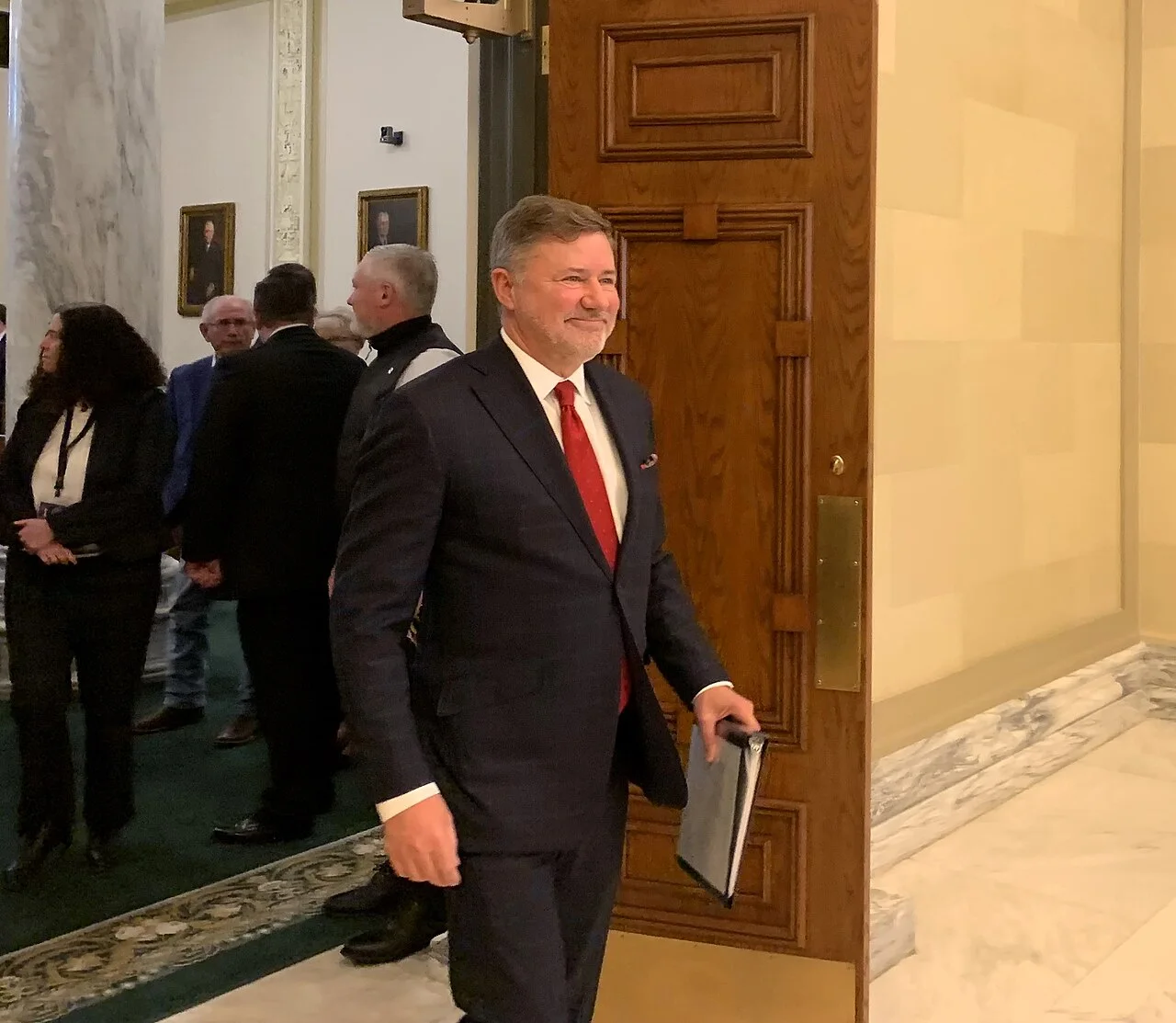
Accessory to first-degree murder carries a sentence of up to 45 years in Oklahoma, and that is what the state will ask for. Drummond and the Van Treese family hope Judge Mai "will consider the full extent of Glossip's deceit and deception," his office said, and impose the maximum.
The sentence is up to the judge. The attorney general's statement does not give a sentencing date, and it does not say how much credit Glossip will get for the years he has already spent behind bars. Edit USA did not find a public statement from Glossip's defense team on the plea.
How the case got here
Van Treese owned the Oklahoma hotel that Glossip managed. In 1997, Justin Sneed beat him to death with a baseball bat there. Sneed admitted the killing and testified that Glossip had put him up to it, which let Sneed escape a death sentence himself. His testimony was the only direct evidence tying Glossip to the murder, according to the Supreme Court's opinion.
Juries twice found Glossip guilty and sent him to death row, in 1998 and again at a 2004 retrial after the first verdict was overturned. An independent review commissioned by Oklahoma legislators from both parties reported "grave doubt" about the conviction in 2022. The state then turned over seven boxes of previously withheld records, and later documents showing Sneed had been diagnosed with bipolar disorder and prescribed lithium, which contradicted what he told the jury.
Drummond concluded that the prosecutor at the second trial knew Sneed's testimony was false and failed to correct it, and he asked Oklahoma's Court of Criminal Appeals to grant a new trial. That court refused. On Feb. 25, 2025, the U.S. Supreme Court reversed it, ruling that the prosecution had violated its constitutional duty to correct false testimony, and sent the case back for a new trial.
This story will be updated when the court sets a sentencing date.