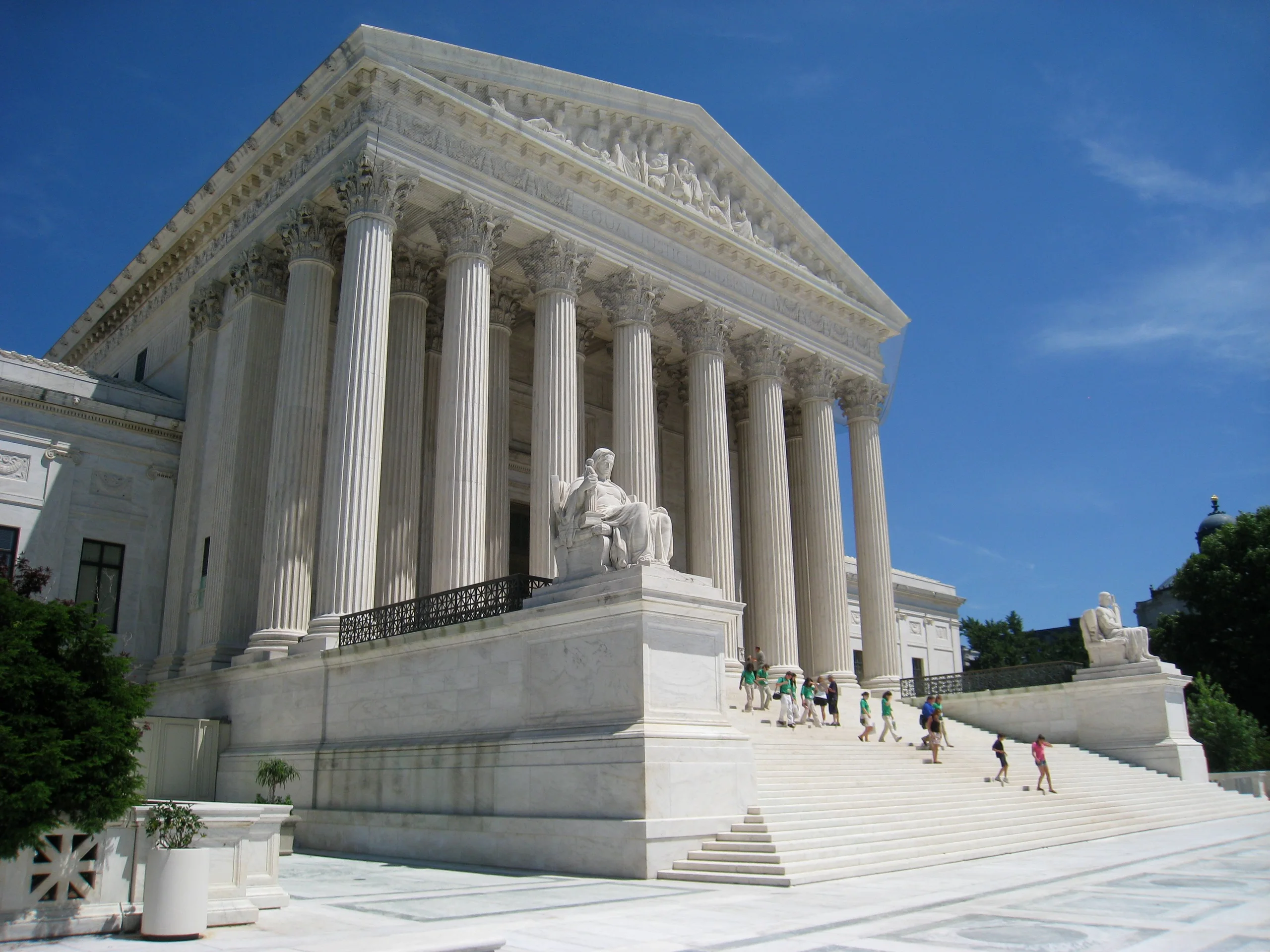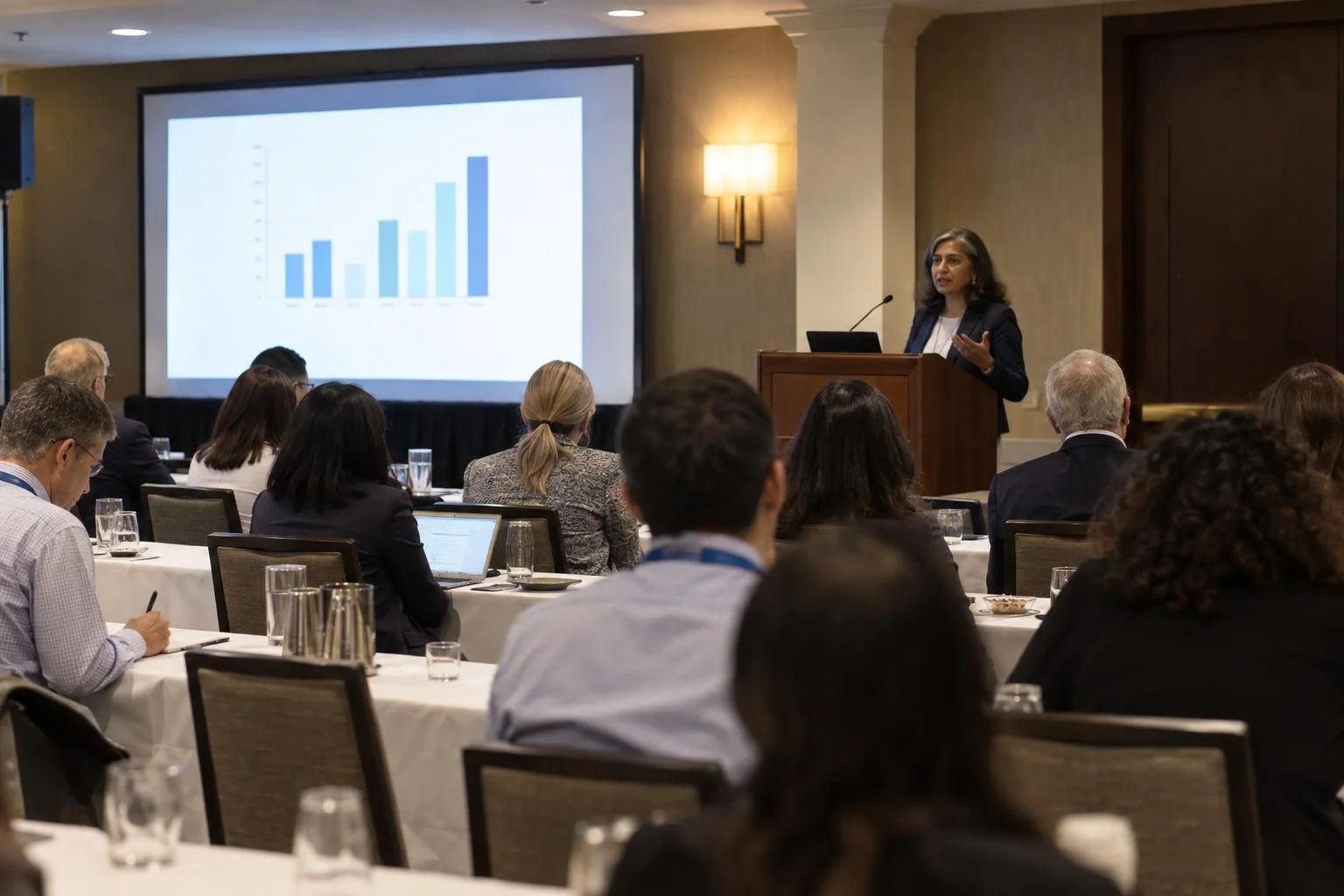
The Supreme Court on Monday, Nov. 16, declined to hear a challenge to California's rule that every continuing education course for doctors include material on implicit bias. That leaves in place a federal appeals court ruling that the required content is the state's own speech and so falls outside the First Amendment's free speech protections.
Justice Clarence Thomas, joined by Justice Samuel Alito, dissented from the denial. Justice Neil Gorsuch would also have taken the case, Khatibi v. Yip. Four votes are needed to grant review, so the case ended one vote short. A denial does not decide whether the law is constitutional.
"First Amendment protections do not give way simply because a State heavily regulates speech," Thomas wrote.
What California requires
California doctors must complete 50 hours of approved continuing medical education every two years to keep their licenses. Private groups often run the courses, private bodies accredit them and private instructors teach them. The state does not approve content in advance. It can audit courses.
A 2019 law, Assembly Bill 241, added a requirement that took effect Jan. 1, 2022: every course must "contain curriculum that includes the understanding of implicit bias." A course can meet the rule by showing how implicit bias can shape doctors' perceptions and treatment choices and lead to unequal health outcomes, or by teaching ways to counter unintended bias in medical decisions.
Who sued and what the lower courts said
Dr. Azadeh Khatibi, a California-licensed ophthalmologist who creates and teaches these courses, sued with Do No Harm, a Virginia nonprofit with at least one member who also teaches them. They argued the rule forces instructors to deliver a message they reject. Khatibi's complaint, quoted by Thomas, says she "disagrees that implicit bias is the primary factor driving disparities in healthcare."
A federal judge in Los Angeles dismissed the case in May 2024, ruling that the required content is government speech. In 2025 a three-judge panel of the U.S. Court of Appeals for the Ninth Circuit agreed, finding that all three parts of the Supreme Court's test for government speech favored the state. The full court declined to rehear the case on Dec. 29, 2025. Judges Lawrence VanDyke, Patrick Bumatay and Eric Tung dissented. VanDyke wrote that the panel's ruling put the circuit "out of step with Supreme Court precedent, our sister circuits' precedent, and even our own precedent."
Thomas's objections
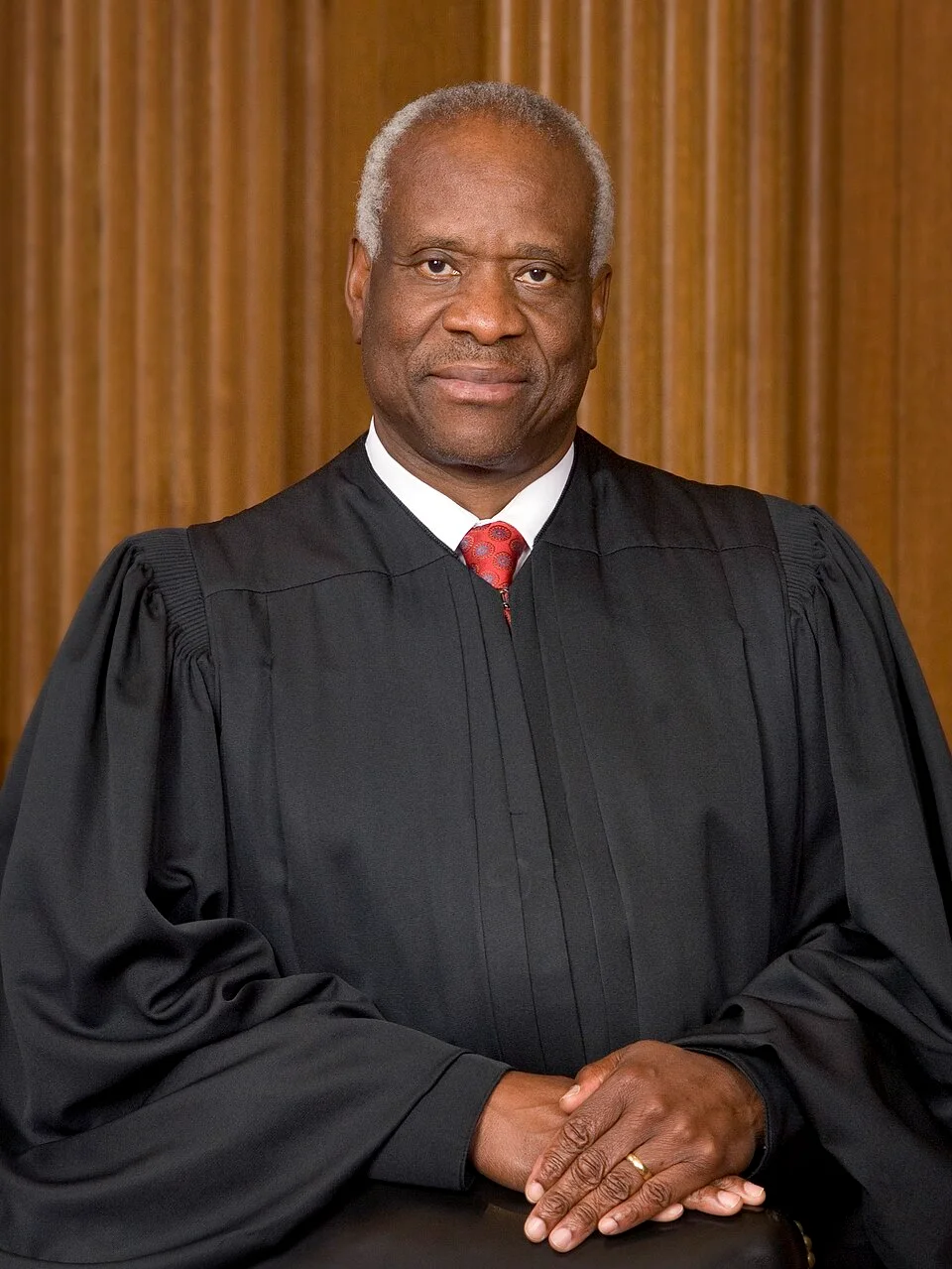
Thomas said the Ninth Circuit focused on how heavily California regulates continuing education instead of asking whether the state was speaking for itself or regulating private speakers. "It cannot be the case that compelled speech becomes government speech because the government has compelled the speech," he wrote.
He also listed what else the ruling might allow. Under its logic, he wrote, California might require course instructors to deliver the state's preferred message on abortion, or require a keynote speaker at a continuing legal education conference for lawyers to oppose racial preferences in law firm hiring.
The court should reconsider its 2022 decision in Shurtleff v. Boston, which set out the three-part test, Thomas wrote. He had joined Alito's separate opinion in that case warning that the test could lead courts to treat heavily regulated private speech as the government's own. "A State cannot regulate its way out of First Amendment scrutiny," he wrote.
What happens now
The implicit-bias requirement stays in force for courses that count toward California licenses. The Ninth Circuit's ruling also remains binding precedent in federal courts across the nine Western states it covers, so a similar challenge filed there would run into the same holding.