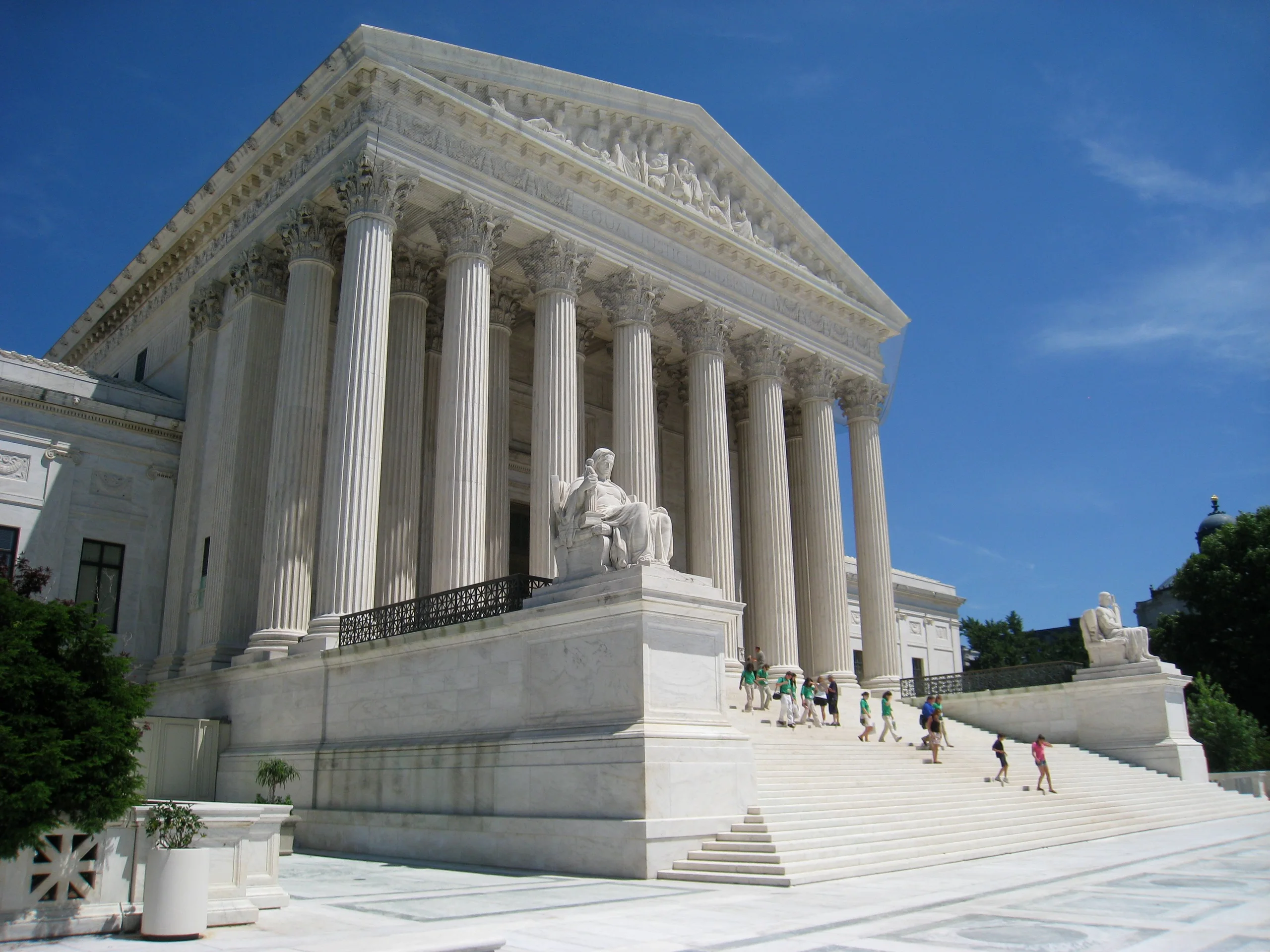
The U.S. Supreme Court agreed Friday to hear a dispute over what Robinhood told investors before its July 2021 initial public offering. The case asks when a company can be sued for leaving recent business results out of an IPO registration statement. The court's decision to hear the appeal leaves the investors' allegations unresolved and does not award them any money.
The court's docket limits the appeal to one question. Under Section 11 of the Securities Act of 1933, is it enough for investors to show that a company left out material information from an interim period, or must a court also identify a statement that became misleading because the information was missing? The docket did not list an oral argument date Friday.
What Robinhood told investors
Robinhood priced its offering at $38 a share. Its registration statement gave investors detailed first-quarter numbers and more limited information about the second quarter, which had ended before the IPO. The document also warned that a decline in demand for Dogecoin could hurt the brokerage's business. Investors who bought shares tied to the IPO allege that Robinhood left out trading and performance data showing that parts of its business had already slowed.
A federal district court dismissed the suit. In August 2025, the U.S. Court of Appeals for the Ninth Circuit sent two of the investors' theories back for further consideration. On the issue now before the Supreme Court, the appeals panel said the district court should assess whether the investors had adequately alleged that the missing results were material. The panel rejected a test that would require interim results to depart sharply from historical results before a company had to disclose them.
What the court will decide
Section 11 gives investors two ways to challenge a material omission. One covers facts a company was legally required to disclose. The other covers facts needed to keep statements the company did make from misleading investors. The Supreme Court took up the second route. The appeals panel separately addressed a Securities and Exchange Commission rule on known trends and uncertainties. That issue falls outside the question the Supreme Court agreed to hear.
Robinhood argues that investors must connect the omitted information to something the company actually said. The U.S. solicitor general urged the court to take the case and argued that treating every material omission as misleading would blur the two parts of the law.
For future IPOs, the decision could determine how much investors must explain when they challenge an incomplete picture of a company's performance. In Robinhood's case, the justices will review the legal standard. Whether the missing information satisfies that standard remains a question for the litigation.