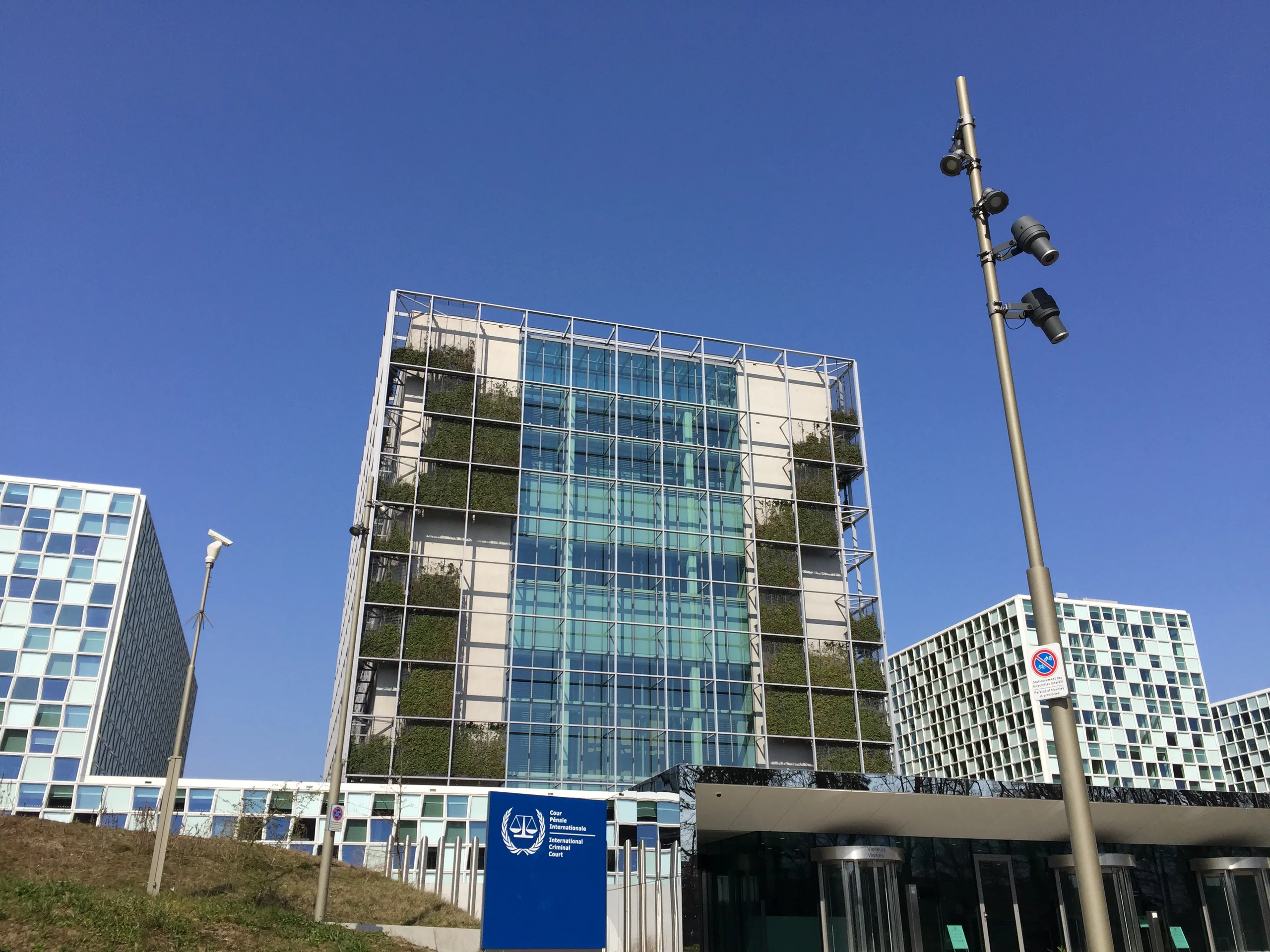
International Criminal Court judges closed the original Afghanistan investigation record, which covered alleged war crimes involving U.S. troops and CIA personnel. The Nov. 12 decision leaves a separate investigation into alleged Taliban crimes since its return to power in 2021 open.
The nine-page order tells the court registrar to close the record opened under the court’s 2020 authorization. The judges cited difficulty securing evidence, the time that had passed since the alleged crimes and the lack of a demonstrated path to further investigation or prosecution under that record. The order closes an avenue for pursuing the allegations involving Americans. It leaves the court’s jurisdiction rules in place and makes no ruling on whether U.S. personnel committed the alleged offenses.
What the original inquiry covered
In her 2017 request, then-prosecutor Fatou Bensouda identified allegations involving the Taliban, Afghan security forces, U.S. troops in Afghanistan and CIA personnel at detention sites in Afghanistan and other countries. In 2020, the court’s appeals judges allowed investigators to examine alleged crimes in Afghanistan from May 2003 and related alleged crimes in other countries that are parties to the court’s founding treaty from July 2002.
The appeals judges’ 2020 decision reversed a lower chamber’s refusal to authorize the investigation. The investigation resumed in 2022 after the court considered an Afghan government request to defer to its own proceedings. Those earlier rulings opened the way to gather evidence. Thursday’s decision closes the resulting record.
The United States is outside that treaty and has long rejected the court’s authority over its personnel. The White House cited ICC investigations involving Americans and arrest warrants for Israeli officials when it issued an executive order imposing sanctions on the court in February 2025. The Nov. 12 order concerns the Afghanistan record. It does not change that U.S. policy.
Which allegations are still under investigation
In 2024, six countries asked the court to investigate alleged crimes against women and girls after the Taliban seized power. The court opened a separate record, Afghanistan II, in October 2026. The judges said the new record covers allegations involving women and girls and other people allegedly persecuted on political, ethnic or religious grounds. Four Taliban officials face arrest warrants. The judges previously directed the court to transfer those warrants and other documents to the new record.
Prosecutors filed an appeal on Nov. 11 over that transfer and asked judges to suspend it. The court’s public case summary says the matters are subject to appeal. The closure order also leaves prosecutors a way to seek fresh authorization for allegations involving the Islamic State’s Afghanistan branch if they can show they are able to investigate effectively.