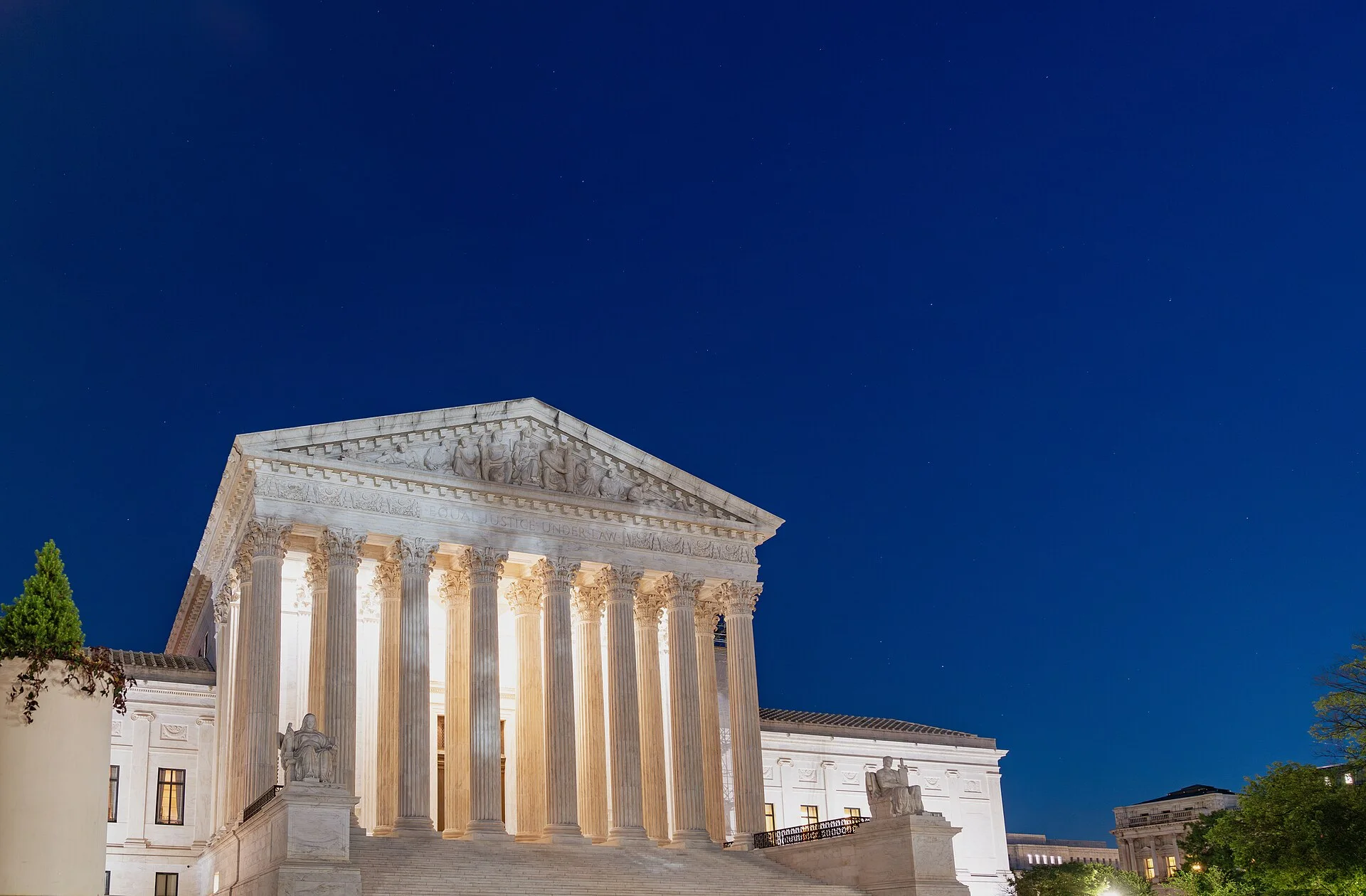
The Supreme Court will decide whether President Trump can shut off asylum for migrants who cross the southern border between ports of entry. In its order list on Friday, Nov. 13, the court agreed to hear the administration's appeal in Mullin v. Refugee and Immigrant Center for Education and Legal Services, No. 26-239.
The case is about Proclamation 10888, which Trump signed on his first day back in office, Jan. 20, 2025. It suspended the entry of migrants crossing the southern border between ports of entry. It also authorized sending them back right away and barred them from the parts of immigration law that would let them stay, asylum included. Lower courts struck the policy down, but the asylum limits have stayed in force while the government appealed.
What the justices agreed to decide
The government's petition asked three questions. The court took the first two:
| Question | Granted |
|---|---|
| Are Proclamation 10888 and its implementing guidance lawful? | Yes |
| Does a federal immigration statute, 8 U.S.C. 1252(f)(1), bar the classwide relief the district court entered? | Yes |
| Does the class of migrants covered by the case satisfy Article III and federal class action rules? | No |
The second question reaches past this proclamation. That law limits how far lower courts can block immigration enforcement for whole groups of people at once. The government argues the district court's order covering every class member went past that limit.
The docket does not yet show a date for oral argument.
How the case got here

Three immigrant advocacy groups and 13 individuals sued in federal court in Washington. On July 2, 2025, the district court ruled the proclamation unlawful. It certified a class covering people subject to the proclamation who are in the United States, and barred the government from removing them outside the procedures Congress wrote or without complying with the asylum statute.
In August 2025 a D.C. Circuit panel let the asylum limits stay in place during the appeal. It refused to pause the parts dealing with two other protections, withholding of removal and relief under the Convention Against Torture, and with quick returns that skipped normal removal procedures.
A different panel then upheld the district court in full on April 24, 2026, in a divided decision. It held that the government may deny asylum only case by case, not to a whole category of people in advance. It also held that the president's power to suspend entry does not cover removing people who are already here. The appeals court denied rehearing on July 23 and put its mandate on hold, and the government's August petition says that kept the asylum restrictions in place.
What each side argues
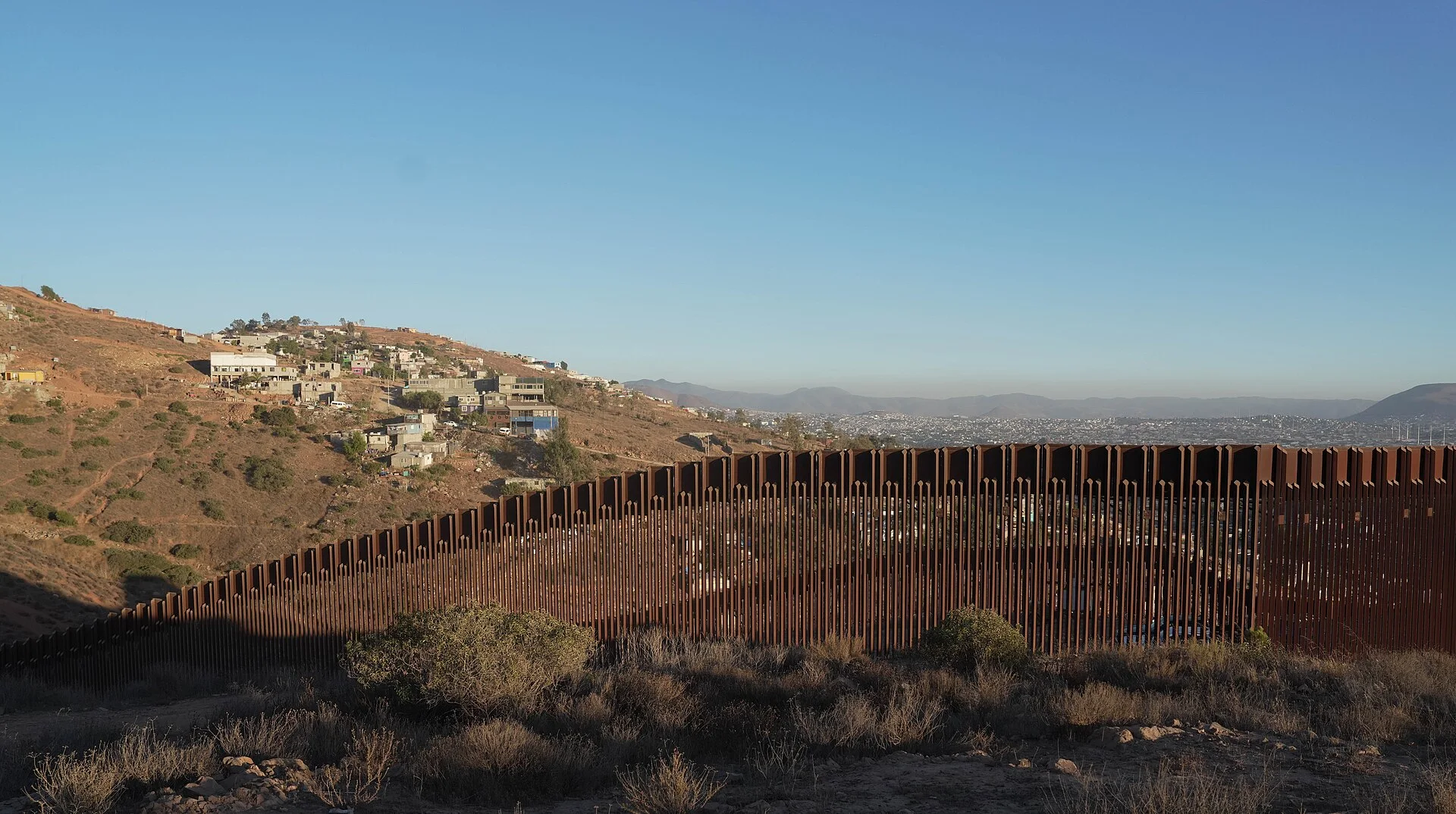
The solicitor general's petition says border encounters have fallen 93% since the proclamation took effect, to the lowest levels since the 1960s, and calls the asylum limits critical to that drop. It argues that asylum is discretionary, so the government does not have to accept applications it would deny anyway.
The challengers, represented by the American Civil Liberties Union, say Congress set the rules for asylum and removal and only Congress can change them. In their brief opposing review, they wrote that the president "may not invent by fiat a new removal system that eviscerates the protections Congress mandated by statute." They also say border apprehensions had already fallen more than 90% from their peak before the proclamation took effect.
Iowa and 21 other states filed a brief urging the justices to take the case.