
Anthropic proposed selling 825 million shares in its initial public offering at $70 to $78 apiece, according to a Nov. 10 prospectus amendment filed with the Securities and Exchange Commission. At the top of that range, the main offering would be worth about $64.4 billion before fees. The company behind Claude has applied to list on Nasdaq under ANT. The filing leaves the final price and the date for delivery of the shares open.
The proposed public sale is one part of the financing. Anthropic also disclosed a $26 billion private placement involving seven companies, among them chipmakers and cloud providers. The public shares and the private shares carry different voting rights. The proposed listing also leaves a trust and the founders with powers that buyers of the public shares do not get.
How much money would go to Anthropic?
Of the 825 million shares in the main offering, Anthropic plans to sell about 801.4 million. Existing shareholders plan to sell the other 23.6 million. At the high end of the proposed range, the company’s portion would be about $62.5 billion before underwriting discounts and other offering costs. The rest of the main sale would go to the selling shareholders. At the low end of the range, the total public sale would be $57.75 billion. Anthropic would receive about $56.1 billion before fees. Those figures use the same share count and exclude the underwriters’ option. The prospectus also gives the underwriters an option to buy up to 123.75 million additional shares from Anthropic. Those shares are outside the 825 million in the headline figure.
The $70 to $78 range is an estimate for the offering price. It sets neither a final sale price nor the price people might see once shares begin trading. The proposed Nasdaq symbol likewise identifies the planned listing. It does not establish a first trading day. The prospectus says the company intends to begin the proposed public sale after the registration statement becomes effective.
What the $26 billion private placement buys
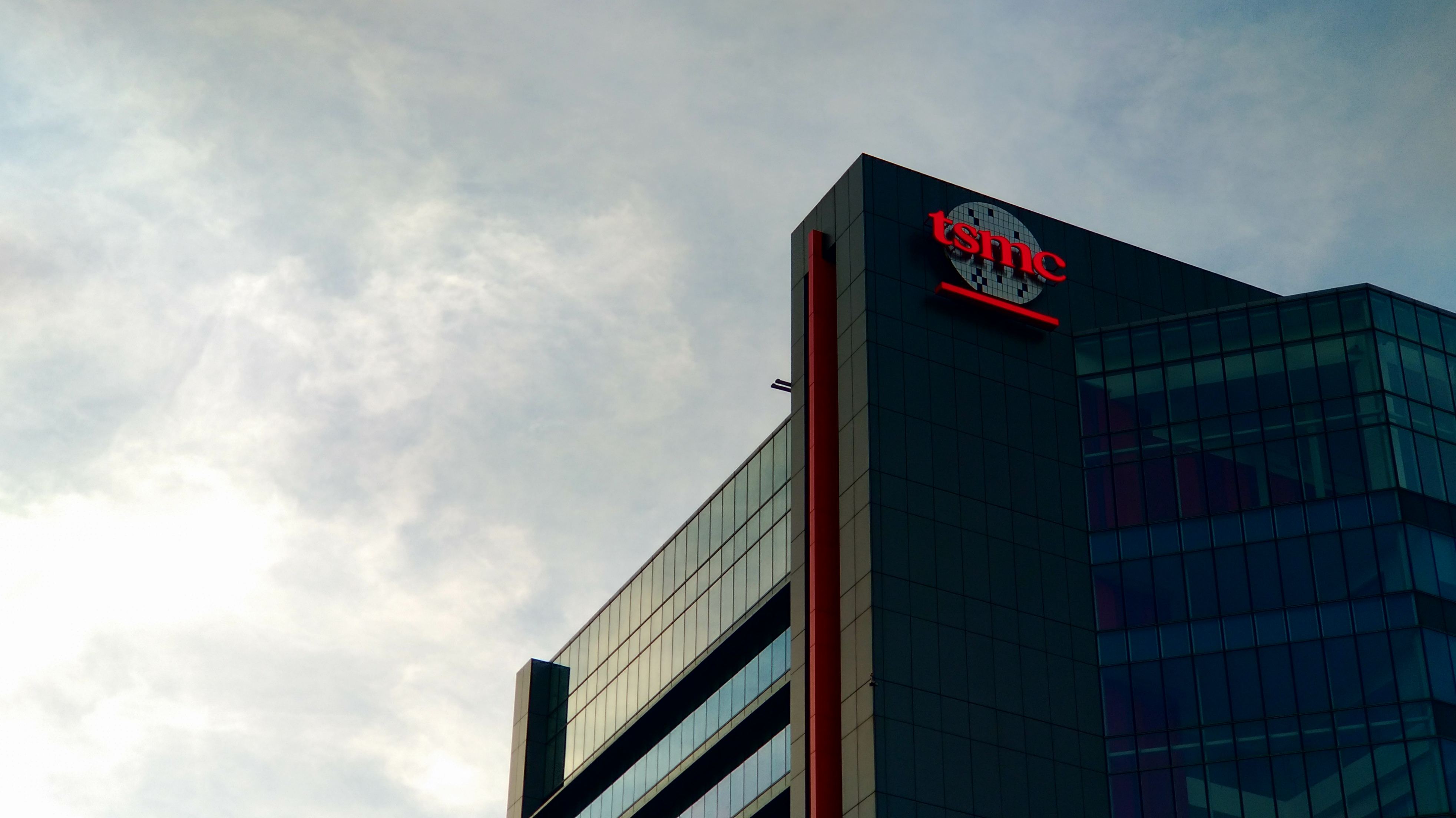
AMD, Broadcom, Google, Micron, Microsoft, Nvidia and TSMC Partners agreed to buy an aggregate $26 billion of Class N shares in a concurrent private placement. The filing describes each company’s obligation as separate. Anthropic says Google’s purchase funds part of an investment it had already committed to, so the headline total includes money tied to a prior commitment. The private buyers would pay the final IPO price per share. Anthropic says it would receive the full proceeds of the private placement without paying underwriting discounts or commissions on those shares.
TSMC’s separate board filing authorized up to $500 million for Anthropic common stock at the IPO price. It also authorized up to $500 million for preferred stock in OpenAI, a separate company. The OpenAI amount is outside Anthropic’s financing. The board’s approvals set upper limits and do not show that TSMC has already transferred either sum.
What public shareholders would control

The offering covers Class A common stock, which carries one vote per share. Class N stock generally has equivalent economic rights, but it carries no vote while held in that class. The prospectus describes circumstances in which Class N shares convert into Class A shares. That can add votes to the ordinary voting pool even though the shares already represented an economic interest in the company.
Anthropic’s Long-Term Benefit Trust has a separate class of stock that generally lets it elect or remove directors who will constitute a majority of the authorized board. The founders’ limited liability company would hold a single Class F share with special voting power. Those provisions matter to public shareholders because the usual one-vote-per-share rule applies to their Class A stock alongside separate rights held by the trust and the founders.
The next figures to check are the final offering price, the number of shares sold and the listing date. The November 10 filing offers a basis for estimating the size of the deal, while leaving those terms open.