
Federal Reserve Governor Michael Barr warned Monday that a sharp drop in the value of artificial intelligence investments could pass losses from technology companies to lenders and investment funds. The companies building data centers sign long leases and guarantees to get projects financed. Those promises can still cost money if the businesses that need the computing power grow more slowly than expected.
Barr’s remarks draw on the Fed’s November Financial Stability Report, which tracks how technology companies and their partners finance the buildout. He said the amount of debt backing the boom still limits his concern about direct losses. The channel he wants the Fed to watch is how borrowing and contracts could make a selloff worse as those commitments grow.
Where the money comes from

The Fed counted more than $680 billion in new debt tied to advanced computing through October 2026. That compares with about $130 billion in all of 2023. The tally includes public offerings and some private deals the researchers could track. Companies with investment-grade credit issued most of the debt. The figure describes what borrowers raised over a period. The Fed separately tracks how much debt remains outstanding.
Barr said debt on the balance sheets of seven of the largest AI companies could exceed $800 billion by year’s end. The report estimates that their other obligations exceed $3 trillion at their potential maximum nominal value. That includes agreed payments on leases that have yet to start, contracts that can require payments regardless of how much capacity a customer uses, and guarantees that may only pay out under certain conditions. The $3 trillion describes future commitments measured in dollars at face value. When the payments come due, and how much companies eventually pay under the guarantees, depend on the contracts.
How a single project spreads the commitments
Meta’s Hyperion project in Louisiana shows how those pieces fit together. Under the agreement Meta announced in 2025, funds managed by Blue Owl Capital own 80% of the venture and Meta retains 20%. They committed to fund their shares of about $27 billion in development costs. Meta agreed to lease the facilities after construction, initially for four years, with options to extend.
Meta also agreed to a guarantee covering the first 16 years of operations. If a lease ends or goes unrenewed and the agreement’s conditions are met, Meta could owe a capped cash payment tied to the site’s value at that point. Blue Owl said part of its funding would come from debt sold to PIMCO and other investors. The same campus can therefore generate obligations for a tenant, a separate owner and lenders. The energy needs of large data centers add another long-term cost that project planners have to account for.
Who holds the risk
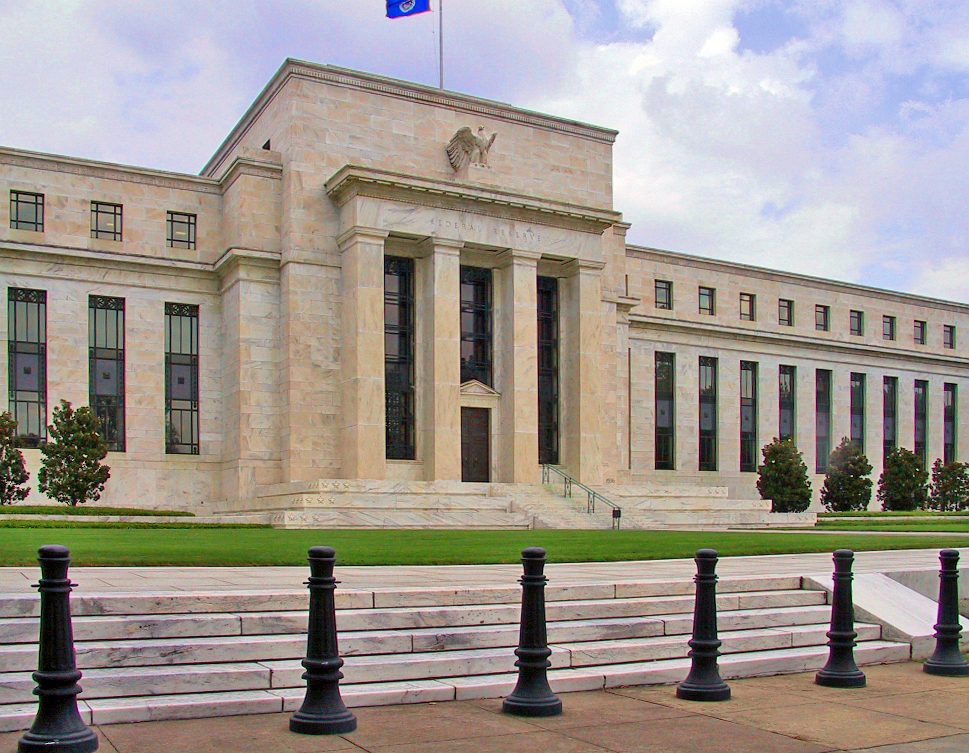
According to the Fed, mutual funds, pension funds and insurers hold much of the debt issued directly by major cloud companies and chipmakers. Riskier debt and equity in some project financing structures can reach high-yield bond funds, life insurers and private lenders. That gives the Fed a reason to look beyond the stocks of the companies building data centers when it assesses what a downturn might affect.
In the New York Fed’s survey, 87% of 23 market contacts flagged AI as a risk to financial stability. They named different concerns, including steep stock valuations and complex financing. The figure measures how often those contacts named AI, and each could name multiple risks. It gives no odds for how a downturn might unfold. The Fed’s existing annual stress tests assess large banks’ exposure to technology companies, data center developers and some of the other businesses that help finance and power the buildout.