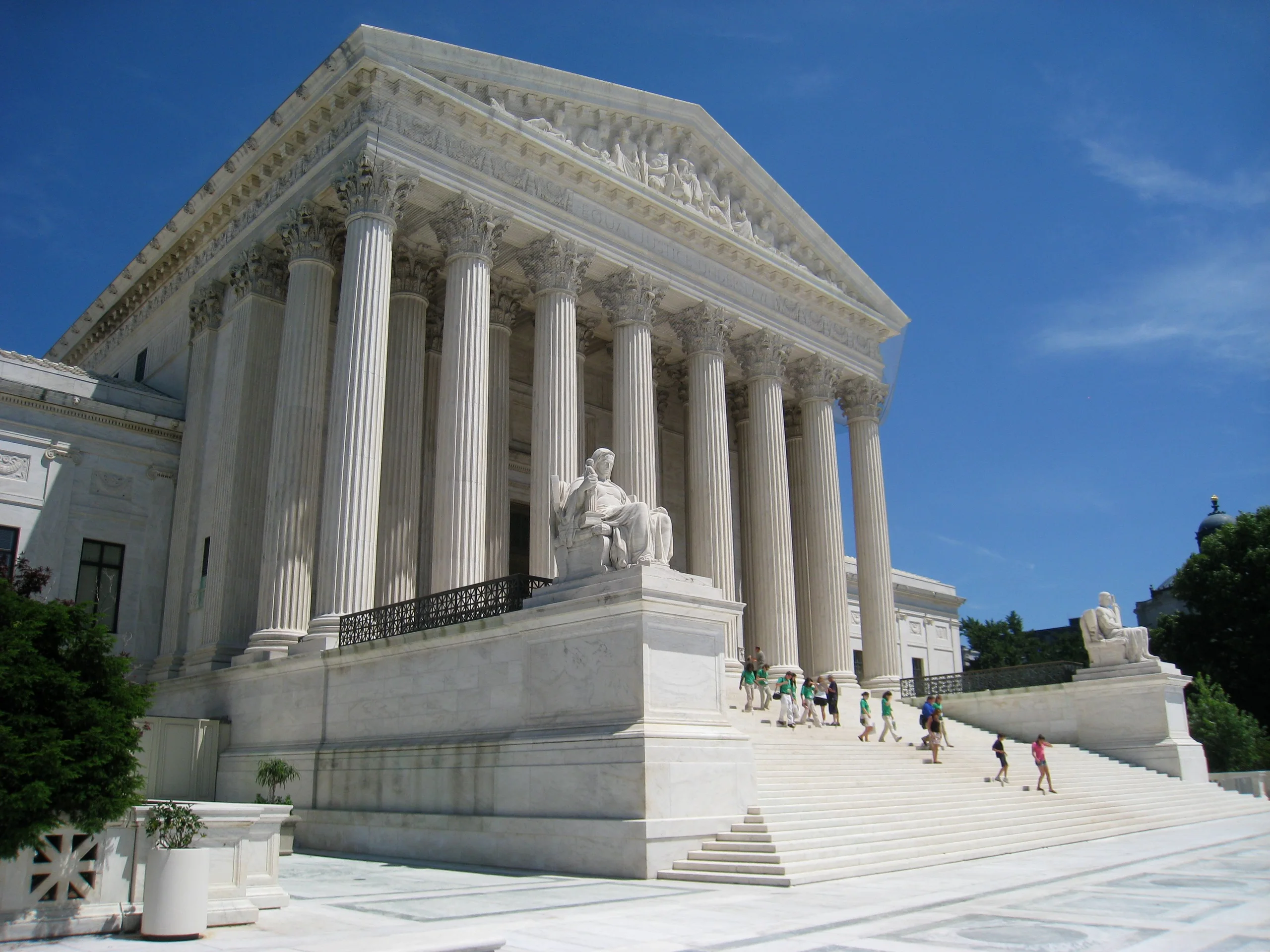
The Supreme Court on Monday declined to hear the Trump administration's appeal in a dispute over about $59 million in federal research grants to University of California researchers. The denial of review leaves in place a preliminary order protecting awards the government canceled over views it associated with diversity, equity and inclusion. The courts are still considering the researchers' claims.
The immediate effect is that the National Science Foundation and the National Endowment for the Humanities remain subject to the reinstatement order for the grants covered by that part of the case. The justices gave no reasons for declining the appeal, and the amount at issue represents existing research awards.
Which research grants remain protected?

The case began after federal agencies sent termination letters in 2025 to University of California researchers working under grants that had already been awarded. The Ninth Circuit's May 26 opinion traces the decisions to a series of executive orders, including orders directing agencies to identify spending related to diversity, equity, inclusion and accessibility. Projects identified in the litigation included work on racial equity in science education and science education opportunities for Indigenous youth.
U.S. District Judge Rita Lin initially protected two provisional groups of researchers. One group said agencies had terminated their awards because of the viewpoints officials attributed to the researchers or their work. The other challenged the use of form letters that gave no grant-specific reason for the cutoff. The same preliminary injunction originally covered both groups, but the appeals court treated their claims differently.
The Ninth Circuit kept the order in effect for the group bringing the First Amendment claim. It reversed the portion protecting researchers on the basis of the form letters alone. In the panel's view, that second claim essentially sought to enforce the government's obligation to pay under the grant agreements, and the federal district court likely lacked jurisdiction over it. A recipient's receipt of a generic cancellation letter therefore does not, by itself, establish that the grant is protected by the order that survived.
Why the funding distinction mattered

The administration told the courts that agencies need latitude to decide which research serves federal priorities. The Ninth Circuit distinguished that power from ending awards within existing programs because the recipients appeared to express views the government opposed. The panel found that the researchers challenging those cancellations were likely to succeed on their First Amendment claim. That finding supported temporary relief while the case proceeds.
The judges also considered what an interruption could do even if money were eventually restored. Researchers told the court that replacement funds were hard to find. The panel pointed to possible layoffs, interrupted graduate programs and research projects that might not survive a lengthy search for new financing. The government, in turn, argued that reinstating the awards could force it to spend money it might never recover. The judges concluded the district court could weigh those competing harms and still order the grants restored in the meantime.
Where the case goes from here
The government's Supreme Court petition followed the Ninth Circuit's split ruling. Monday's one-line disposition leaves that ruling with its original limits. A different court challenge to a grant termination can still turn on the agency's reason for canceling the award, the claims the recipient brings and the court that has authority to hear them.
The Ninth Circuit sent the case back to the district court in San Francisco. Its preliminary order governs the covered grants while the litigation continues. The district court still has to decide the underlying claims.