
Netflix’s The Altruists begins streaming November 19, four years after FTX filed for bankruptcy. Anthony Boyle plays Sam Bankman-Fried, the cryptocurrency exchange’s founder, and Julia Garner plays Caroline Ellison, who ran the trading firm Alameda Research. The eight-episode drama follows their relationship and the collapse of the companies they ran. That collapse also produced two very different outcomes in federal court. Ellison pleaded guilty and testified for the prosecution. A jury convicted Bankman-Fried, who is now asking the Supreme Court to review his case.
Netflix says the series drew on New York Magazine reporting by Kevin T. Dugan and Jen Wieczner. Graham Moore created the show and shares showrunning duties with Jacqueline Hoyt. The streamer’s release guide says all eight episodes arrive together. For the sequence of events behind the series, the criminal case supplies dates, testimony and rulings that can be checked independently of the drama.
How the exchange and trading firm fit together

FTX was a venue where customers could buy and sell cryptocurrencies. Alameda traded for its own account. It was also FTX’s largest customer and its principal market maker, which meant it regularly offered to buy and sell assets on the exchange. The Second Circuit’s opinion explains what Alameda received in return. FTX extended the firm a substantial line of credit and let it run a negative balance.
Prosecutors said that Bankman-Fried used customer money to repay Alameda’s lenders and fund investments, among other uses. Ellison testified that he directed her to use FTX customer funds to repay those lenders. Bankman-Fried testified that he believed on the basis of Alameda’s assets and liabilities that customers could be repaid. After a cryptocurrency news outlet published details of Alameda’s balance sheet on November 2, 2022, withdrawals from FTX surged. By November 11 the exchange could no longer meet withdrawal requests. It filed for bankruptcy that day.
Ellison’s guilty plea and Bankman-Fried’s trial

The Justice Department announced Ellison’s guilty plea in December 2022. She pleaded guilty to seven counts, including fraud and conspiracy charges. She cooperated with prosecutors and testified at Bankman-Fried’s trial. In September 2024, a federal judge sentenced her to two years in prison. The Associated Press reported she was released in January 2026.
Bankman-Fried went to trial on charges that included wire fraud and conspiracies involving fraud and money laundering. The jury convicted him on all seven counts in November 2023. In March 2024, the judge sentenced him to 25 years in prison, followed by three years of supervised release, and ordered him to forfeit about $11 billion. That forfeiture is part of his criminal judgment. The exchange’s bankruptcy is a separate proceeding. So is the civil case brought by the Commodity Futures Trading Commission. In August 2026, the court entered a consent order imposing a five-year trading ban and a 10-year registration ban on Ellison, both measured from the initial order in December 2022.
What Bankman-Fried is asking the Supreme Court to review
The Second Circuit upheld his conviction and sentence on June 12, 2026. It said the trial judge acted properly in limiting arguments about eventual repayment. In the court’s analysis, diverting money obtained by fraud could be a crime even if the person who took it expected to return it. The appeals court also upheld the forfeiture.
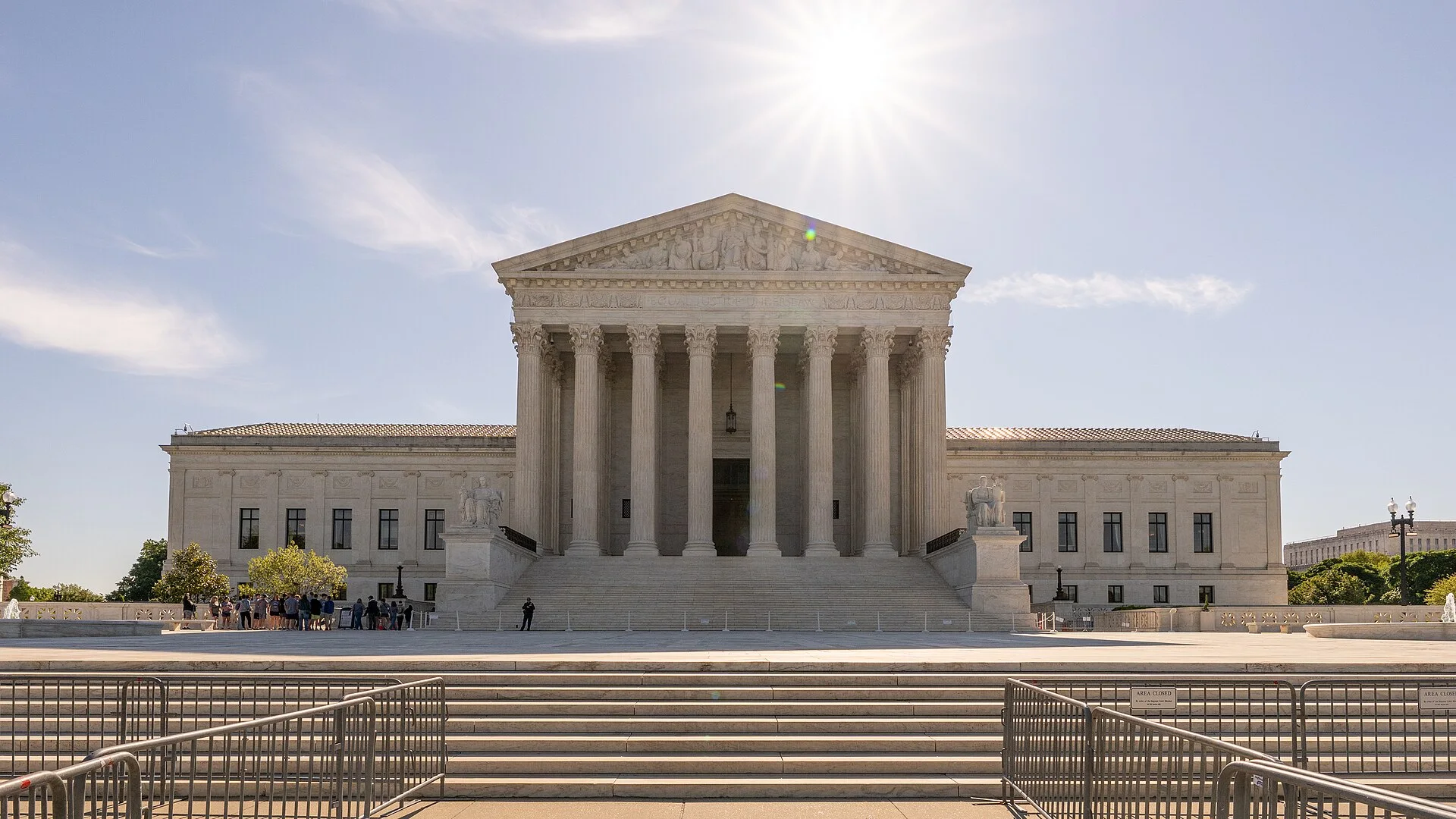
Bankman-Fried petitioned the Supreme Court in September. His lawyers want the justices to decide when jurors in a fraud case may hear evidence about whether victims suffered financial losses. They also want the court to consider whether the Eighth Amendment permits a forfeiture that would destroy someone’s prospects of earning a living.
The Supreme Court’s docket shows that the government’s response is due December 16, after two extensions. The justices have yet to agree to hear the case. The conviction and sentence remain in effect while the request for review is pending.