The nationwide flight halt on Friday, Nov. 13, made an old problem with the U.S. air traffic control system visible to travelers across the country. Transportation Secretary Sean Duffy said aging telecommunications equipment began feeding controllers inconsistent data. At a White House briefing Friday night, he called for $50 billion in emergency funding to replace the system. A separate $30.1 billion proposal would also pay for airport projects, and Congress has already provided $12.5 billion for earlier work.
Those figures cover different work. The existing appropriation pays for specific upgrades, including communications equipment. The bill would fund another set of projects. Duffy gave the larger figure at the briefing without an itemized spending plan in the department’s published account.
What failed on Friday

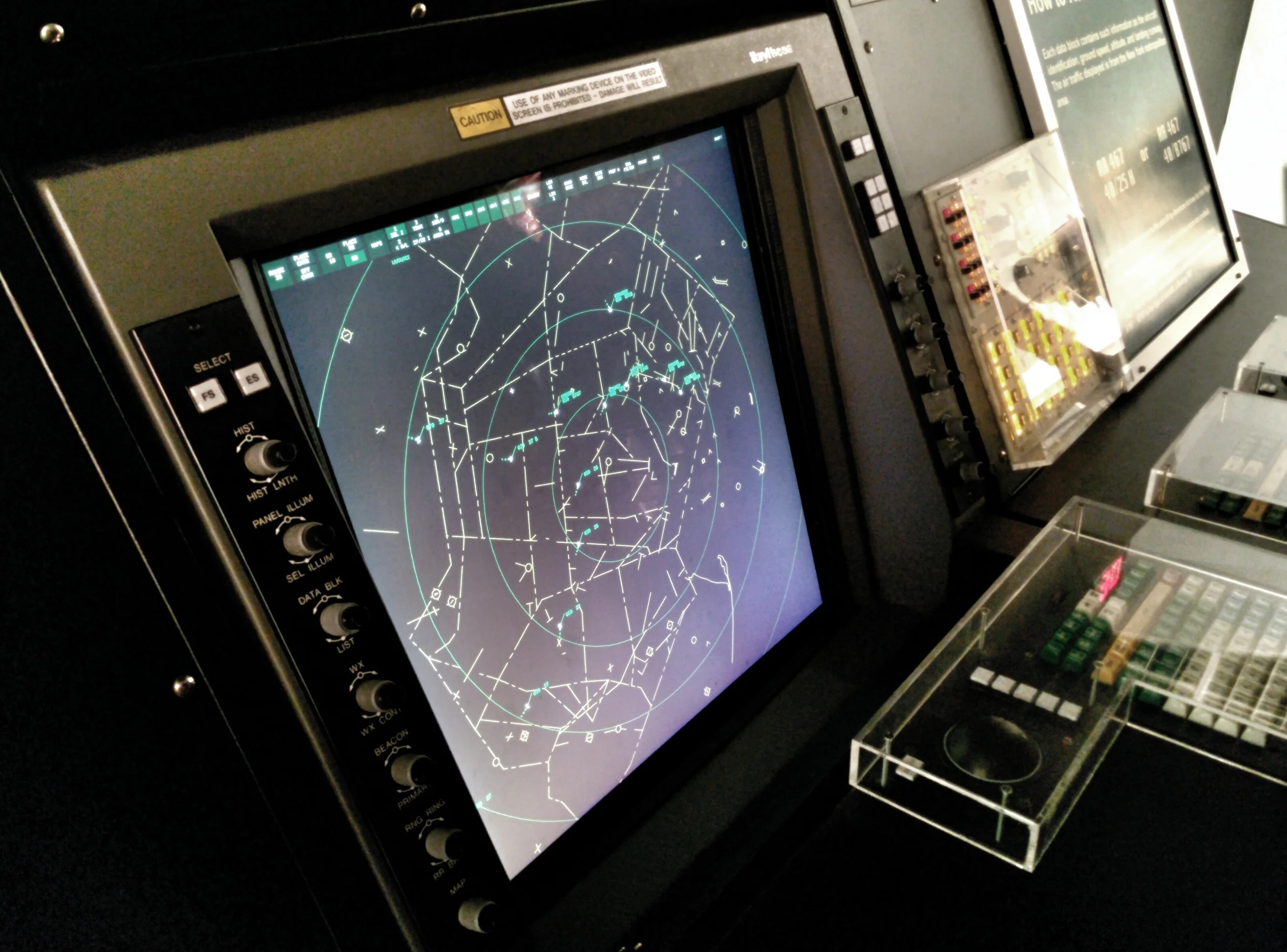
The Transportation Department’s briefing summary says radar and communications started showing signs of instability at about 3:36 p.m. Eastern. Duffy said older switches and routers were overloaded with data and began producing inconsistent information. The disruptions affected facilities that handle flights near airports and centers that guide planes between them. Duffy said the FAA kept some lifesaving flights moving. The FAA’s signed cancellation notice formally ended the nationwide stop at 8:19 p.m. Eastern.
On Saturday, Duffy told reporters the outage began during work to replace copper telecommunications lines with fiber. Investigators were still determining what failed during the work. The leaders of the House Transportation and Infrastructure Committee said Friday that they would review the stoppage while the FAA and Transportation Department investigate.
What Congress already paid for

The July 2025 law provided $12.5 billion for air traffic control improvements, available through September 2029. The largest single line was $4.75 billion for telecommunications infrastructure and systems upgrades, about 38% of the appropriation. The law also provided $1.9 billion for a new en route control center and required at least three existing centers to be integrated into it.
Most of the $12.5 billion supports the first phase, according to the Government Accountability Office. The FAA is aiming to finish that phase in December 2028. It includes work on communications, surveillance and weather systems. That date applies to the first set of upgrades. The FAA told auditors it had no start or finish estimate for phase two, which includes new software to track aircraft and manage traffic. The agency put that phase at about $10.2 billion before facility costs.
What the pending proposal would buy
The Modern Skies Act, introduced in September, sets out the $30.1 billion proposal that the administration pressed Congress to act on Friday. It allocates $10.1 billion to air traffic control technology, including $7.2 billion for a common automation platform and controller workstations and $2 billion for cloud computing and telecommunications. Another $2 billion would go toward FAA control towers, and $18 billion would go to airport infrastructure, including terminal projects. Airport infrastructure accounts for about 60% of the proposal.
Duffy’s $50 billion request came at the White House briefing. The published bill still provides the breakdown for the $30.1 billion proposal. The $10.2 billion figure in the audit is a separate FAA estimate with a narrower scope. The figures measure different things and include some of the same kinds of work. Adding them would give readers a misleading total.
What the audit says about the schedule
GAO found that the FAA had 11,389 individual project schedules without a single integrated schedule to coordinate them. At sites that need several upgrades, that can mean separate visits by installation crews and repeated disruptions. FAA officials told GAO they planned to use a tool to flag scheduling conflicts at each site. In May, the agency said the tool was still being tested and the work rules for using it had yet to be set.
GAO also said the FAA had yet to produce a full estimate that includes the cost of running and maintaining the system. That leaves two concrete measures for congressional oversight after Friday’s outage: a schedule that shows when the pieces can go into service together and a cost estimate that covers operating them afterward. Passengers dealing with Friday’s cancellations can check Edit USA’s guide to refunds and rebooking.