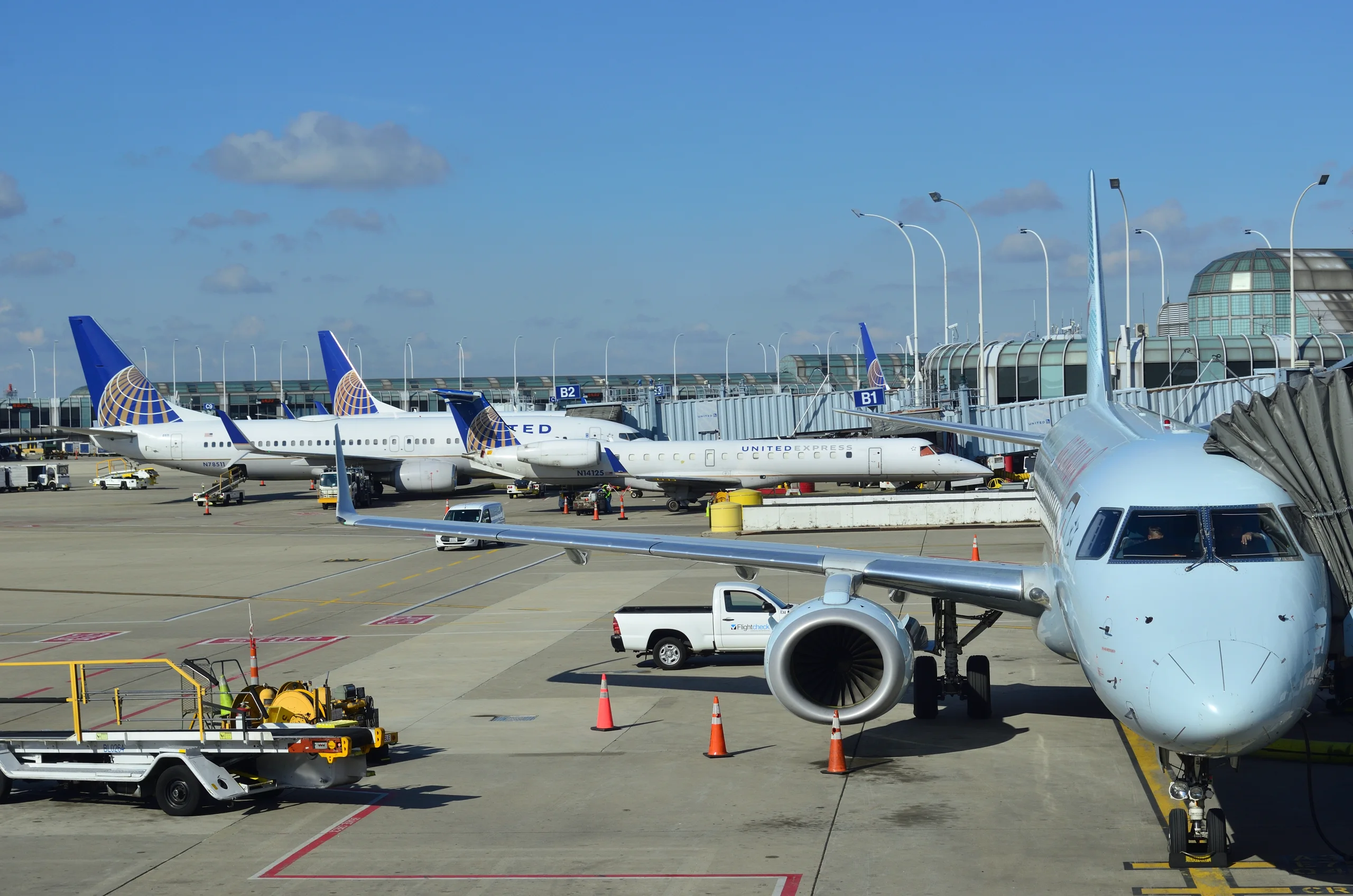
If the airline cancels your flight after Friday’s nationwide FAA ground stop, you can take a refund for the unused ticket if you give up the flight and decline the airline’s alternatives. The U.S. Department of Transportation’s refund rule applies even to nonrefundable fares and regardless of who caused the cancellation. An FAA ground stop on its own does not cancel your reservation. Check the status of your specific flight in the airline’s app or on its website before giving up your seat.
When a delay qualifies for a refund
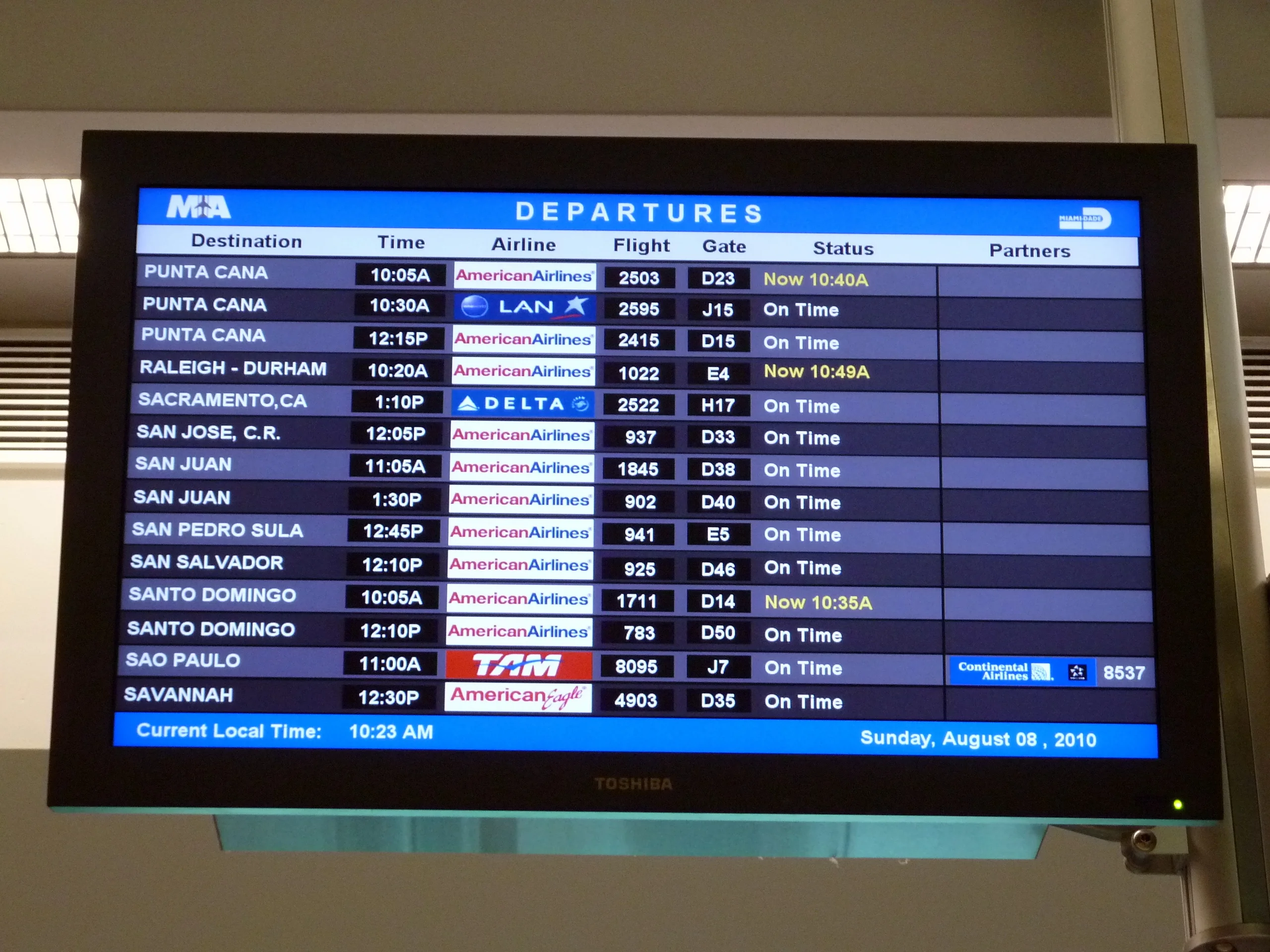
For flights to, from or within the United States, a delay qualifies if the airline schedules you to arrive at your final destination at least three hours late on a domestic itinerary or six hours late on an international one. The same thresholds apply if your first flight is moved that much earlier. Compare the new arrival time with the one on your original itinerary. The time you’ve spent at the departure gate is a separate measure.
For example, if a domestic itinerary originally arrived at 5 p.m. and the airline moves your arrival to 8 p.m., the change meets the three-hour threshold. A different origin or destination airport, an added connection or a downgrade in cabin can also qualify. The federal rule includes additional protections when a change affects accessibility for a passenger with a disability. If you fly after an involuntary downgrade, the airline owes the fare difference instead of the full ticket price.
A new flight number can appear in your app during rebooking. The DOT has paused enforcement for flight renumbering alone through July 7, 2027, where the airline rebooks you and the flight runs without a qualifying delay or change. Check the airports, connections, cabin and times before deciding.
Choosing a new flight or taking the refund
If you still need to travel, compare the carrier’s offer with what you could buy on your own. Check the final arrival time, the connection and whether you’ll have to switch airports. Airlines can set a deadline for accepting a replacement. The DOT’s refund guidance says passengers who take the replacement or the significantly delayed flight give up the federal right to a ticket refund for that trip. A refund returns the eligible value of the unused ticket. It does not cover any difference in price if you buy a new ticket elsewhere.
If you booked directly with the airline and prefer a refund, decline the replacement, voucher or other compensation. The airline must issue the eligible refund automatically to your original form of payment. The federal deadline is seven business days for credit card purchases and 20 calendar days for debit, cash, checks and other payment methods, measured from when the refund becomes due. Rejecting the offer gives you a clearer record of your decision. Save the airline’s notice and your response.
If you used an online agency, check the charge on your card statement. The airline or agent listed there is responsible for the airfare refund. For separately paid airline services that you did not receive, such as a seat assignment, the DOT directs travelers to the airline even if an agent collected the fee. If the seller does not resolve a refund you believe is owed, you can file a complaint with the DOT.
Who pays for a hotel or meal
The DOT’s airline commitments dashboard covers disruptions within an airline’s control, such as its own crew or maintenance problems. A federal air traffic disruption does not automatically trigger those hotel and meal commitments. Delta’s reimbursement policy, for example, excludes expenses from air traffic control delays. Ask your airline what it will cover before booking a room. If you bought trip-delay coverage or paid with a card that includes it, check whether it covers this cause and how long you must be delayed before you can file a claim. Keep itemized receipts and the airline’s explanation for the delay.