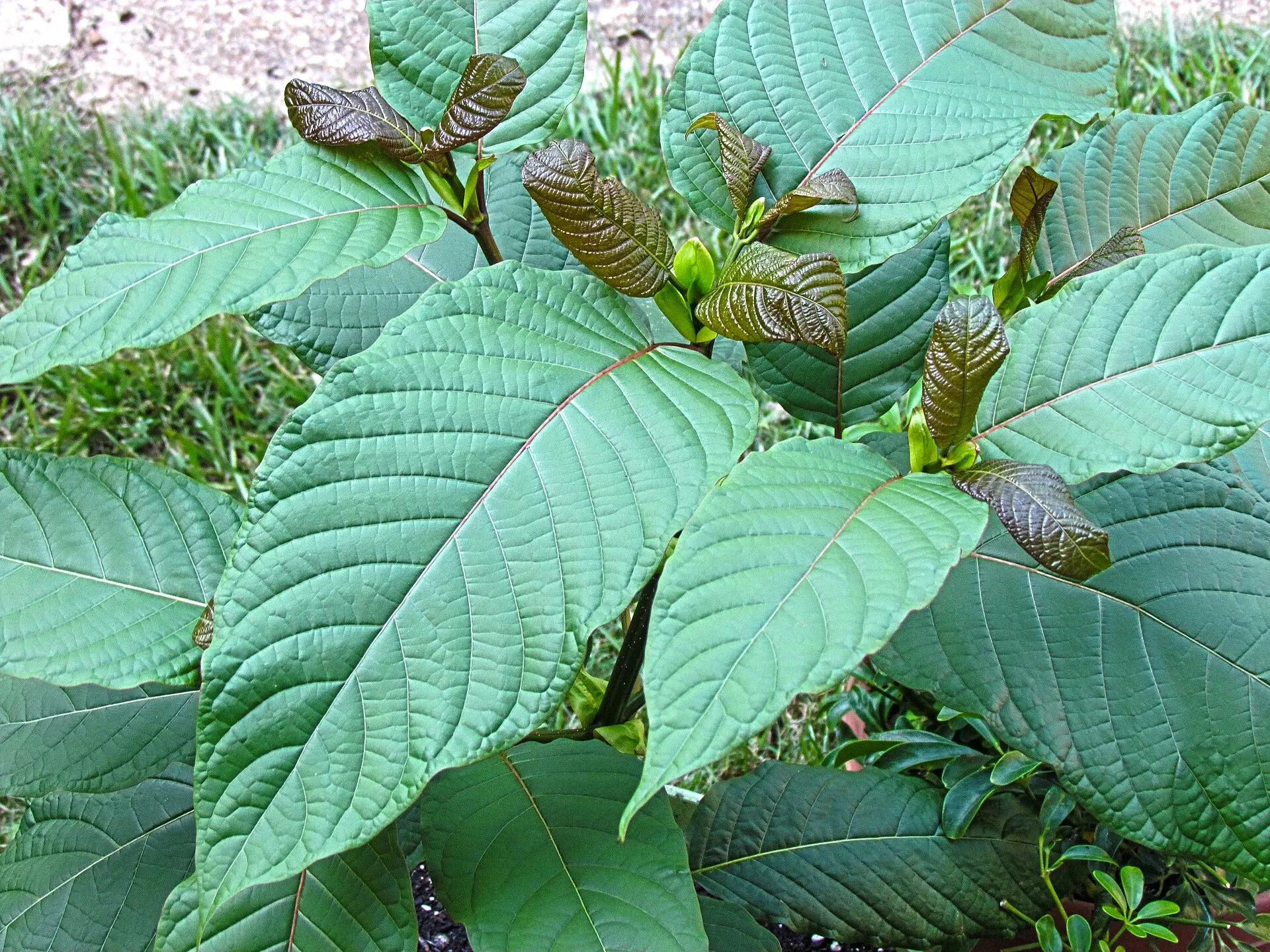
The Drug Enforcement Administration can now publish its order putting strong 7-OH products into Schedule I of the Controlled Substances Act. The agency's notice of intent, published Oct. 14, says the temporary order will appear in the Federal Register on or after Friday, Nov. 13. As of Friday afternoon, it was not on the public inspection list.
7-OH, short for 7-hydroxymitragynine, is a compound found in tiny amounts in the kratom plant, but concentrated versions are sold as tablets, gummies, shots, powders and sublingual strips, often at gas stations, smoke shops and online. The order would make it a federal crime to make, sell, import or possess products above the DEA's limit.
What the order would cover
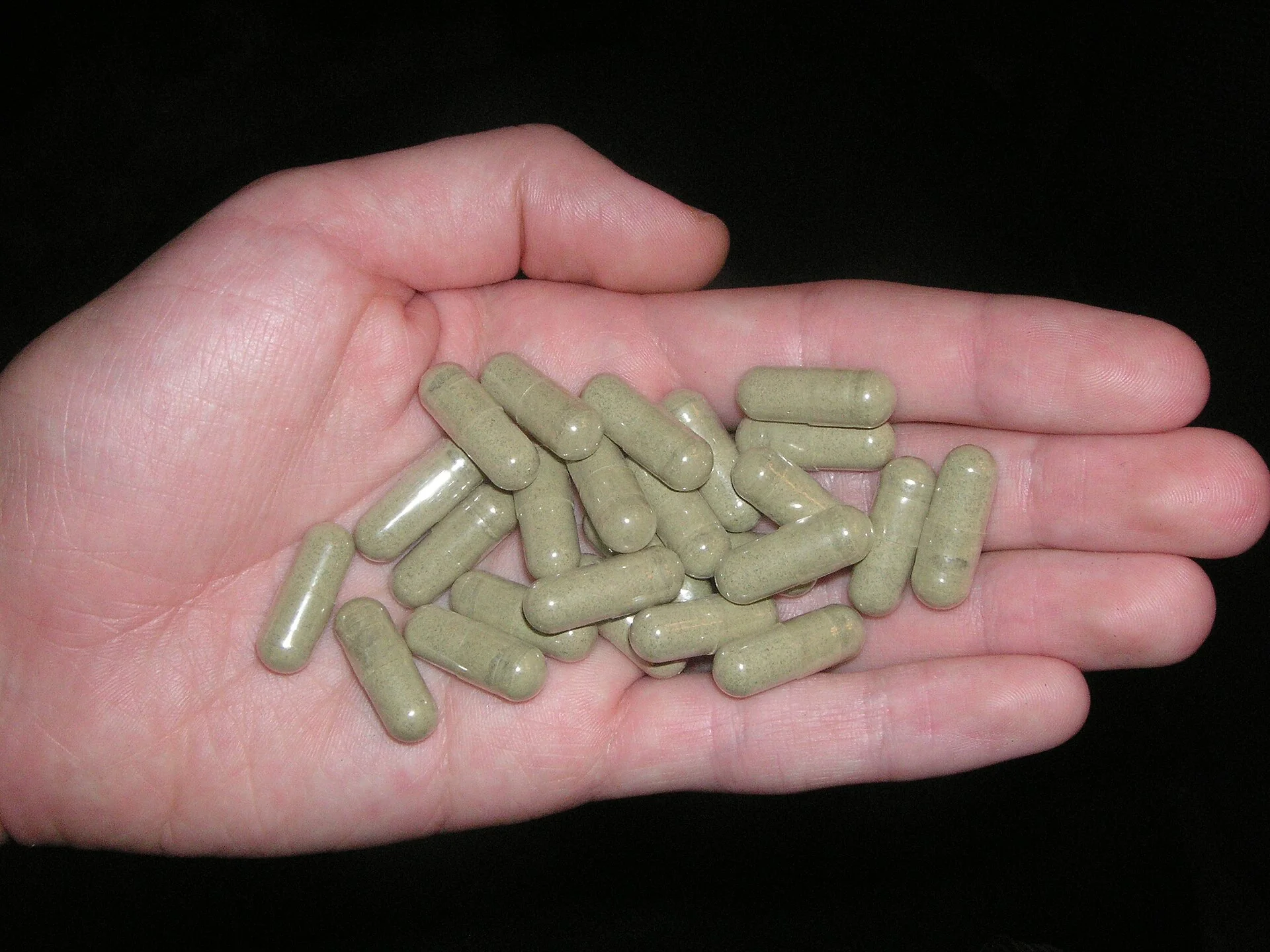
The ban is not on all kratom. It reaches 7-OH, and a related compound called mitragynine pseudoindoxyl, when a product crosses either of two lines set in the notice:
- More than 1 milligram per gram for powders, capsules and other solids, or more than 1 milligram per milliliter for liquids
- Less than 100 parts mitragynine, kratom's main alkaloid, for every part 7-OH
The Food and Drug Administration says 7-OH makes up less than 2% of the alkaloids in natural kratom leaves. The DEA notice says HHS recommended this threshold on Oct. 8, and that it "would permit certain products to remain in the marketplace." Neither agency, the notice adds, has found that products below the threshold are safe.
The order takes effect the day it is published. It lasts two years, and the DEA can add one more while it works on a permanent rule.
Why the DEA says it is acting

The notice calls the products an imminent hazard to public safety, the legal test for a temporary order. It describes 7-OH as an opioid with abuse potential. It says fatal overdoses involving the compound have been reported, and it points to a rise in calls to poison control centers once the national poison data system began tracking it in 2025. Reports to the FDA's adverse event system rose from 11 by mid-2025 to 66 for the full year, and users themselves describe addiction and withdrawal, the notice says.
The agency also cites marketing. It lists fruit-flavored chewable tablets and labels such as "midday stress relief" and says those formats can appeal to younger buyers. Users online compare the effects to prescription opioids and report paying $15 to $40 for a single dose, according to monitoring data the notice cites.
The FDA, citing a federal survey, says an estimated 1.7 million Americans 12 and older used kratom in 2021. It has warned consumers not to use products labeled as 7-OH, says no drug containing kratom is legally on the market, and says kratom is not appropriate for use as a dietary supplement.
How this fits with earlier steps
This is the DEA's second try at a threshold. It proposed a lower limit on July 7, 2026, based on numbers HHS sent in July 2025, and withdrew that plan after HHS recommended the new threshold in October.
Three related compounds are already banned. A temporary order on Aug. 26 put mitragynine pseudoindoxyl, MGM-15 and MGM-16 in Schedule I through Aug. 26, 2028. Under the new notice, mitragynine pseudoindoxyl would move under the same threshold as 7-OH once the new order takes effect.
For help with substance use, the SAMHSA National Helpline at 1-800-662-4357 is free and runs 24 hours a day, every day of the year.