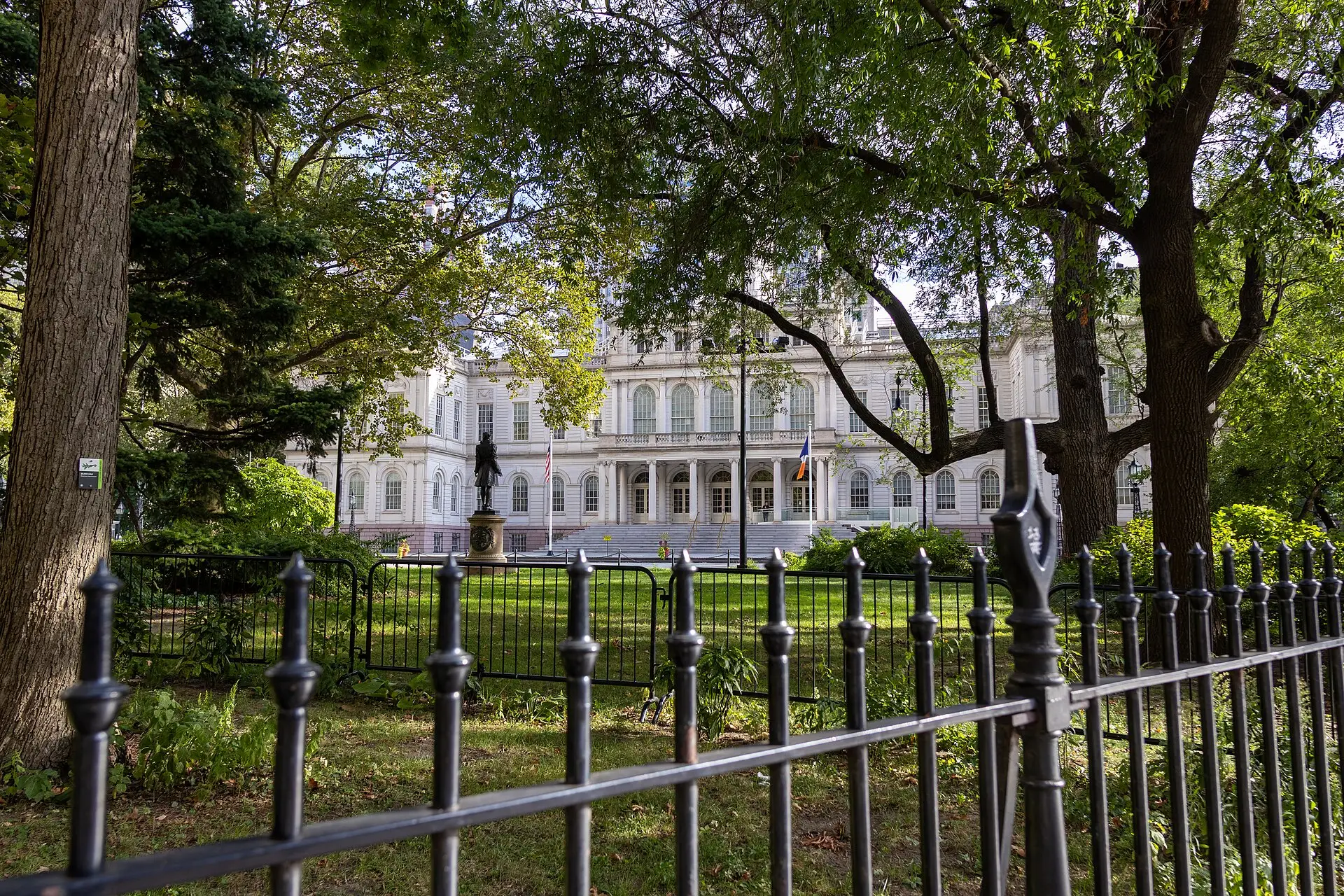
Stores, apps and service providers in New York City would no longer be allowed to use your personal data to charge you a different price than the next customer. The City Council on Thursday, Nov. 12, passed Intro 891-A, a ban on what it calls surveillance pricing. The bill now sits on Mayor Zohran Mamdani's desk. Once it becomes law, businesses get a year before it takes effect.
The bill defines surveillance pricing as prices set fully or partly by an algorithm fed with personal data, so that one customer pays more or less than another for the same item or service. Personal data covers anything that identifies a shopper or a device, or could reasonably be linked to one.
What the ban covers
Under the bill, a business could not use surveillance pricing to set or adjust a price, advertise a deal built on it, or collect, use, sell or share personal data to make it possible. The rule reaches any business or service provider based in the city or selling to consumers there.
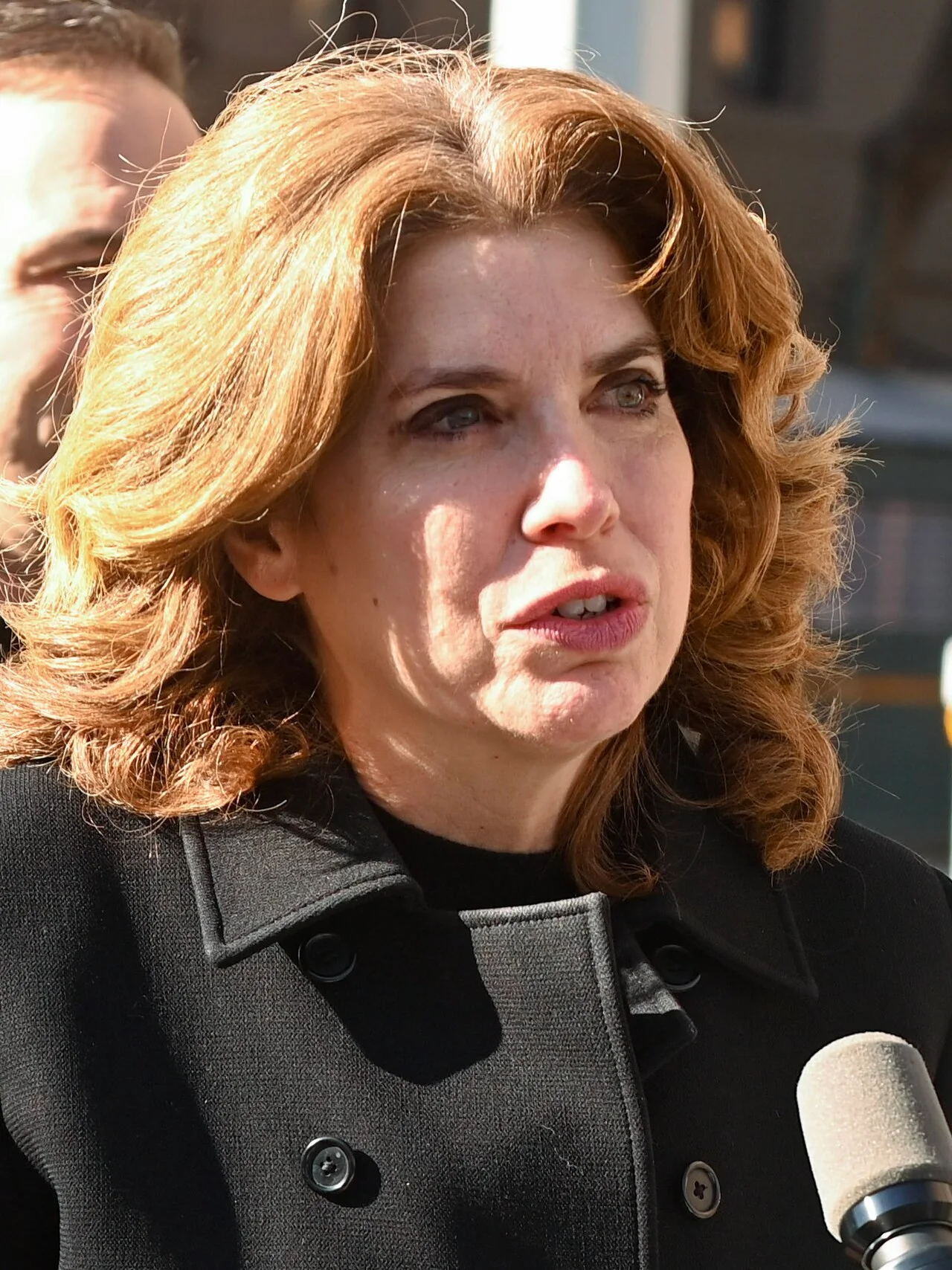
Speaker Julie Menin, the bill's sponsor, called the practice "deceptive and insidious" in the Council's announcement. The Council pointed to reports of a grocery delivery platform whose pricing tests produced individual price differences of up to 23%, and of a television whose price rose from $499.99 to $599.99 when the shopper pulled into the store's parking lot.
Location data gets a narrow carve-out. A ride or delivery app can still use the location a customer shares to work out trip distance and time, or to gauge local supply and demand.
Discounts that stay legal

Ordinary sales survive. The bill names end-of-season sales, flash sales, early-bird deals, price matching and rebates as allowed when they are open to everyone.
Targeted discounts are allowed only in set forms, and the business has to disclose them clearly:
- Loyalty and rewards programs, including tiers based on what members bought before, as long as that history is not combined with other personal data.
- Discounts for groups people choose to identify with, such as veterans, seniors and teachers, or birthday discounts.
- Offers based only on what a shopper bought from that same business before.
- On online marketplaces, a one-time discount for a seller's new customers and discounts on delivery fees.
A business that offers these custom discounts must make them available to everyone who meets the stated terms. It must also be able to tell a customer, on request, what personal data it considered in setting a price.
Exceptions, penalties and timing
The ban does not apply to insurance companies, to pricing based on a credit report, or to prices that federal or state law requires.
The city's Department of Consumer and Worker Protection would enforce it. Each violation carries a civil penalty of up to $1,000, counted separately for every customer or transaction, and the city can go to court to recover refunds for shoppers. A small business, one with fewer than 15 locations nationally that does most of its business from locations in the city, gets a warning for a first violation and 30 days to fix it and repay affected customers.