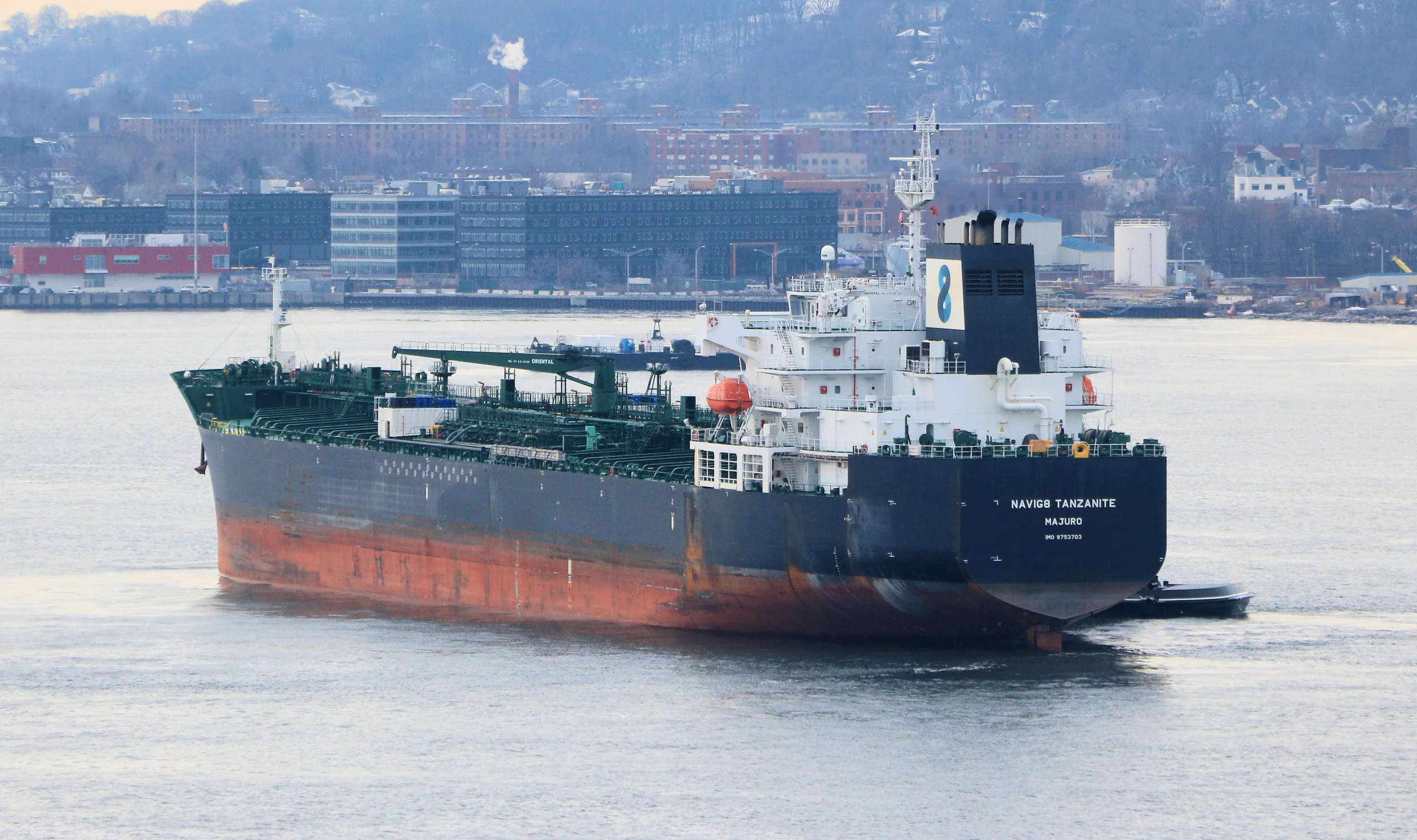
The Trump administration is extending a temporary shipping waiver for another 90 days, allowing approved foreign-flagged vessels to keep carrying oil, fuel and other covered commodities between U.S. ports. A White House official confirmed the extension Friday to Reuters. The next period begins at midnight Eastern as Nov. 16 begins, a White House official told Bloomberg News.
The decision keeps open a domestic shipping option that was due to expire Sunday night. The Jones Act generally reserves waterborne cargo between U.S. points for U.S.-built, U.S.-owned vessels with a Coast Guard endorsement for that trade. The waiver, first issued in March after the start of the war with Iran, gives buyers and sellers of certain goods access to additional vessels for those routes.
Shippers still need approval for each voyage
The extension keeps the case-by-case reviews introduced in August, Reuters and Bloomberg reported. Under the published August procedures, a company proposing a shipment on a foreign-flagged vessel submits information about the ship, its cargo and the proposed route. The U.S. Maritime Administration then checks whether a qualifying U.S. vessel is available. The government uses that survey to decide whether the proposed foreign-flagged vessel can carry the shipment.
The August bulletin requires cargo moving under that authorization to be loaded before 11:59 p.m. Eastern Sunday, Nov. 15. A new approval or agency notice is the place to confirm which products and voyages qualify under the next extension. The original waiver was broader. The August review gives U.S. vessel operators a chance to show they can carry a load before a foreign-flagged ship gets permission. Shipbuilders and their allies opposed another extension, arguing that the law supports domestic shipbuilding, Bloomberg reported.
Where the waiver has moved fuel
A White House official told Reuters that about 90 million barrels of petroleum moved between U.S. ports under the waiver since March, including 27 million barrels of gasoline and 26 million barrels of crude. Those figures describe how much fuel moved. They don’t measure any savings at the pump.
The Cato Institute’s tracker, which draws on Maritime Administration voyage reports, records propane shipments from the mainland to Puerto Rico and crude shipments from Texas to the East Coast. It also counted about 1.59 million barrels of energy products, excluding renewable diesel, shipped by foreign-flagged tankers from the Gulf Coast to the West Coast in the first 50 days. That was roughly four times the volume moved by water on that route in all of 2025, according to Cato.