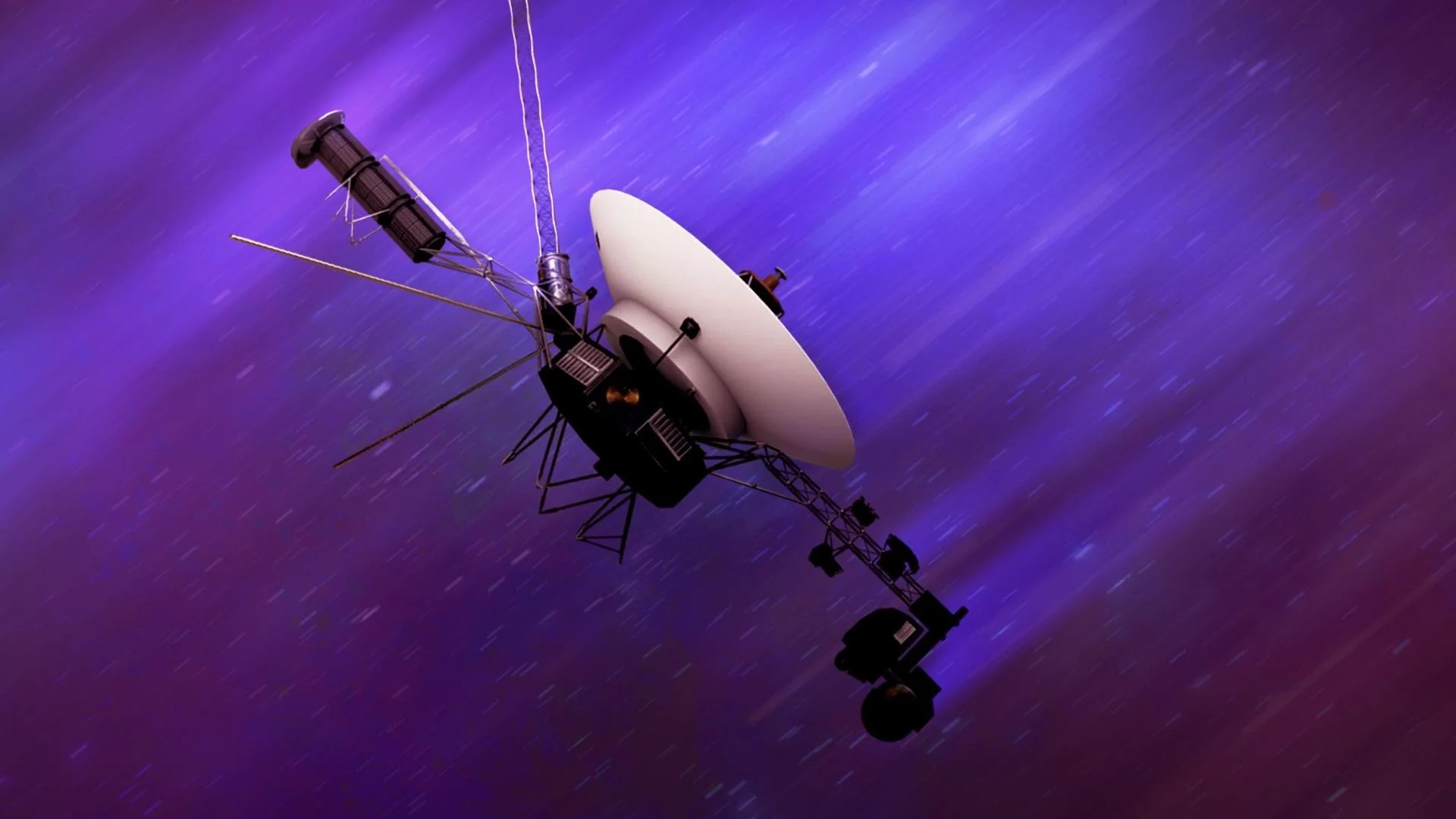
NASA's Voyager 1 will become the first human-made object to sit one light-day from Earth early Wednesday, Nov. 18. NASA puts the moment at 5:16:07 a.m. Eastern (2:16:07 a.m. Pacific), when the spacecraft will be about 16.09 billion miles away, the distance light covers in 24 hours.
The agency is marking it with two public events, one the night before and one the day after.
How to take part on Tuesday night
On Tuesday, Nov. 17, NASA is asking people everywhere to flash a light toward the sky after sunset, wherever they are, for an event it calls "Shine Bright for Voyager's Light-Day." NASA describes the goal as "a symbolic wave of golden light encircling the planet."
NASA built a web page at go.nasa.gov/shinebright that turns a phone or tablet into a signal lamp. It flashes "VGR," Voyager's call sign, in Morse code. Flashlights work too, and NASA's event advisory asks people to film or photograph their signal and post it with the tag @NASA.
Light leaving Earth that evening would need almost a full day just to reach the spacecraft's distance.
What to watch on Thursday
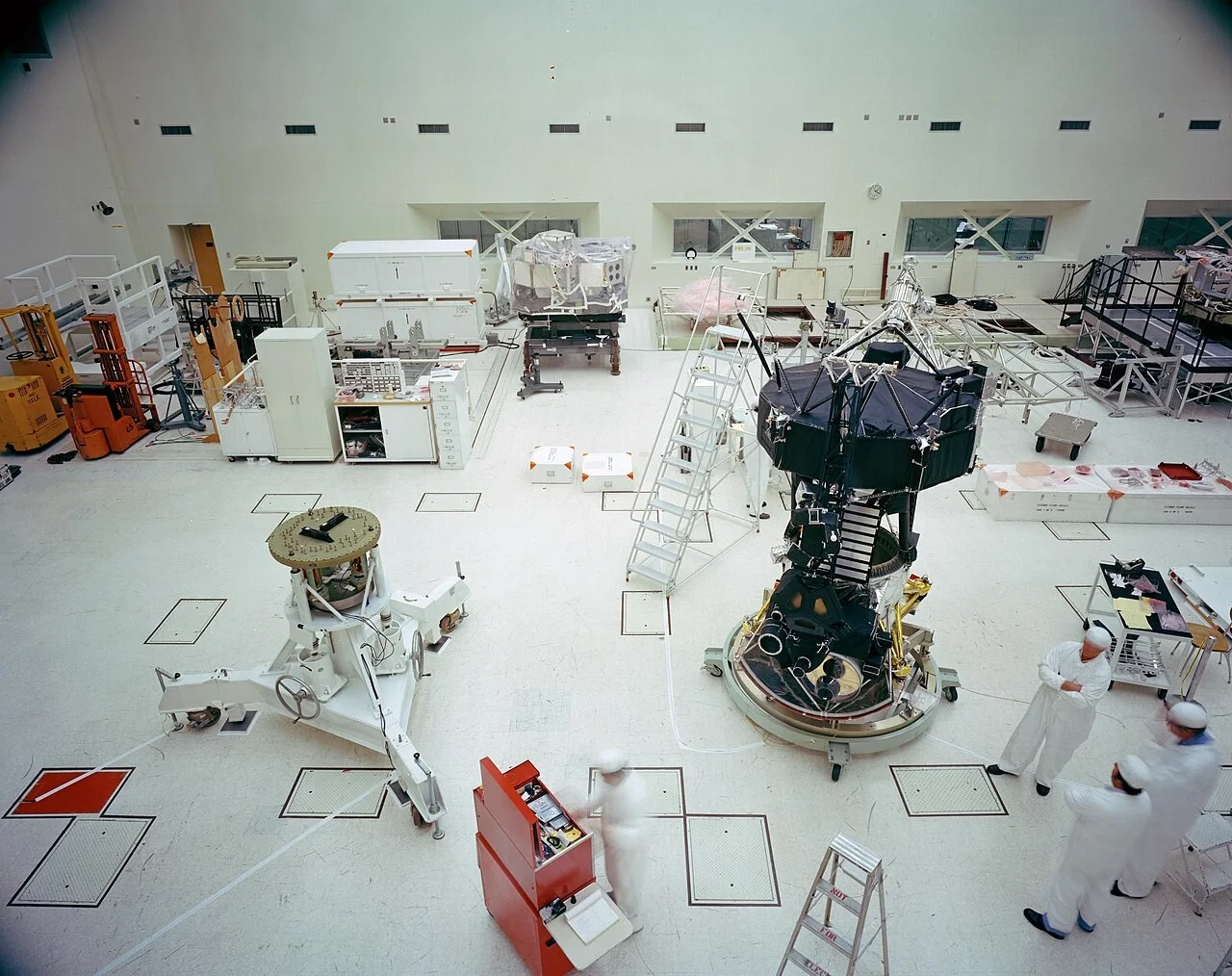
On Thursday, Nov. 19, at noon Eastern (9 a.m. Pacific), NASA's Jet Propulsion Laboratory in Pasadena, California, will stream a discussion with the Voyager team and NASA leadership on NASA's live page. The panel covers the condition of both Voyagers, the science they still send back from interstellar space and the work of keeping 49-year-old spacecraft running.
The scheduled speakers are Nicky Fox, who leads NASA's science directorate, JPL chief scientist Jonathan Lunine, project manager Suzanne Dodd, project scientist Linda Spilker, mission manager Kareem Badaruddin and deputy project scientist Jamie Rankin of Princeton University. NASA says the event will also preview a NASA+ Voyager documentary planned for 2027, the mission's 50th anniversary. It takes place in JPL's von Kármán Auditorium, the same room where the lab briefed reporters during the probes' tour of the outer planets.
How far one light-day is
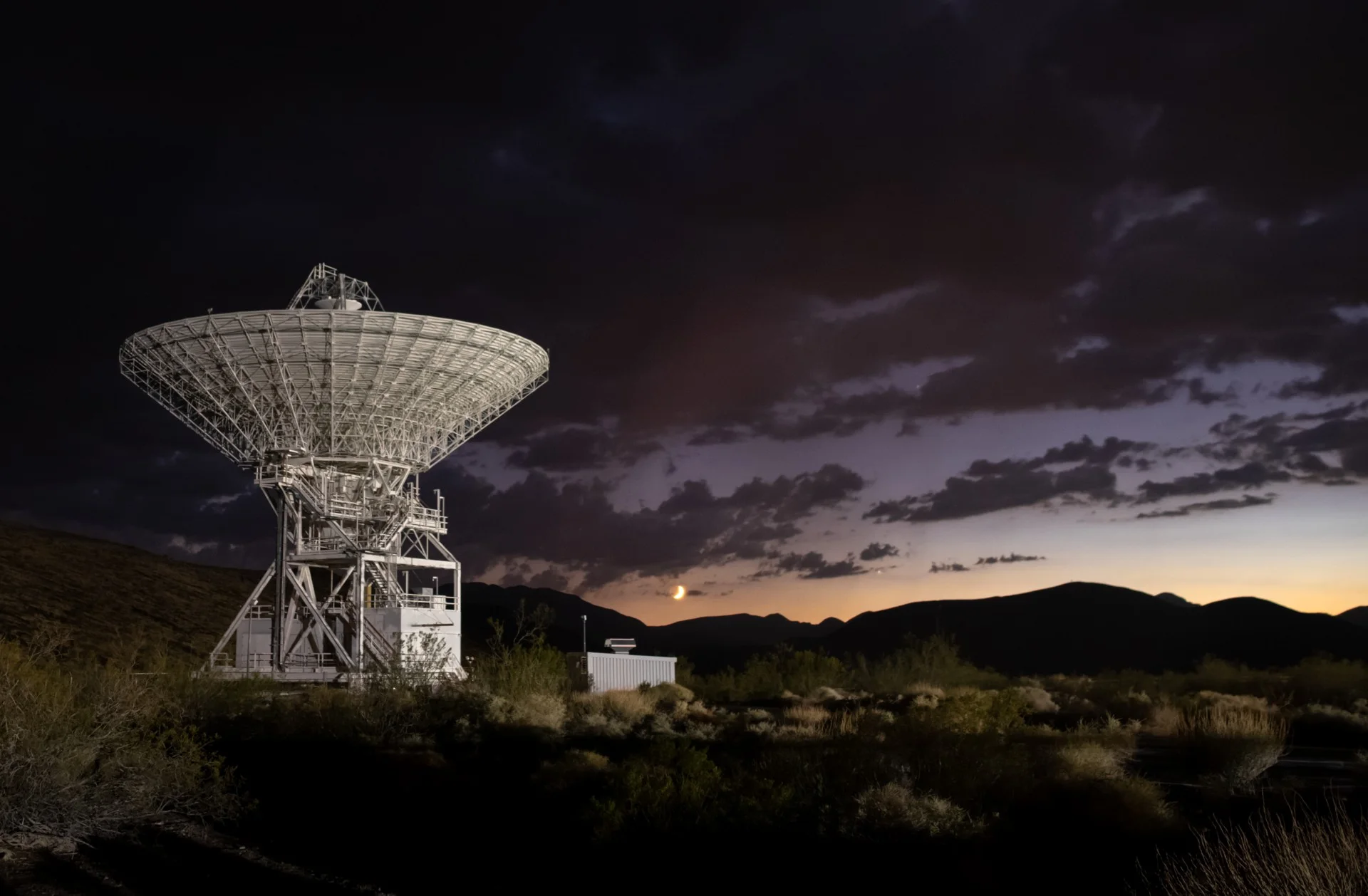
A light-day is 16,094,799,096 miles, NASA says. Voyager 1, launched in 1977 and moving at nearly 38,000 mph, will need 49 years, two months and 11 days to get that far. Its twin, Voyager 2, followed a different path to visit Uranus and Neptune and should reach the same distance in November 2035.
The distance also sets how slowly engineers can work with the spacecraft. A command sent from Earth on Wednesday will take a day to arrive, and any reply takes another day to come back, so every exchange with Voyager 1 now takes about two days.
The milestone comes a month after the spacecraft went quiet for two days in October and then resumed contact on its own, which Edit USA reported on Oct. 30. Voyager 1 is headed toward a star called AC +79 3888 in the Little Dipper, which it will pass at a distance of about 1.7 light-years in roughly 40,000 years.