
President Donald Trump signed the Common Cents Act on Friday, Nov. 20, making the end of the penny permanent and giving stores a federal rule for rounding cash totals to the nearest 5 cents, the White House said. The U.S. Mint struck its last circulating penny on Nov. 12, 2025, after Trump told the Treasury Department to stop minting it, according to the bill's Senate sponsor, Sen. Cynthia Lummis of Wyoming.
Pennies you already have are still legal tender. If you pay by card, check or electronic transfer, you still pay the exact amount. Only cash payments can be rounded.
How rounding works at the register

Under the enrolled bill, H.R. 10167, a business that cannot give exact change may round the cash amount, including tax, or the change it owes you.
| Cash amount ends in | What the store may do | Example |
|---|---|---|
| 1, 2, 6 or 7 cents | Round down to the nearest 5 cents | $10.02 becomes $10.00 |
| 3, 4, 8 or 9 cents | Round up to the nearest 5 cents | $10.04 becomes $10.05 |
| A total of 1 or 2 cents | Round up to 5 cents | $0.02 becomes $0.05 |
Stores can always round in the customer's favor, down when you pay and up when they hand you money.
Rounding is never required. A store that still has pennies can keep giving exact change.
The rule does not apply to payments by credit card, debit or other electronic transfer, check, gift card or money order. Employers who pay workers in cash and choose to round have to round up. The law also says rounding does not excuse anyone from minimum wage, overtime or paid leave rules. A business that follows the federal rounding rule is not violating any federal, state or tribal law by doing it.
A cheaper nickel and reports on penny supply
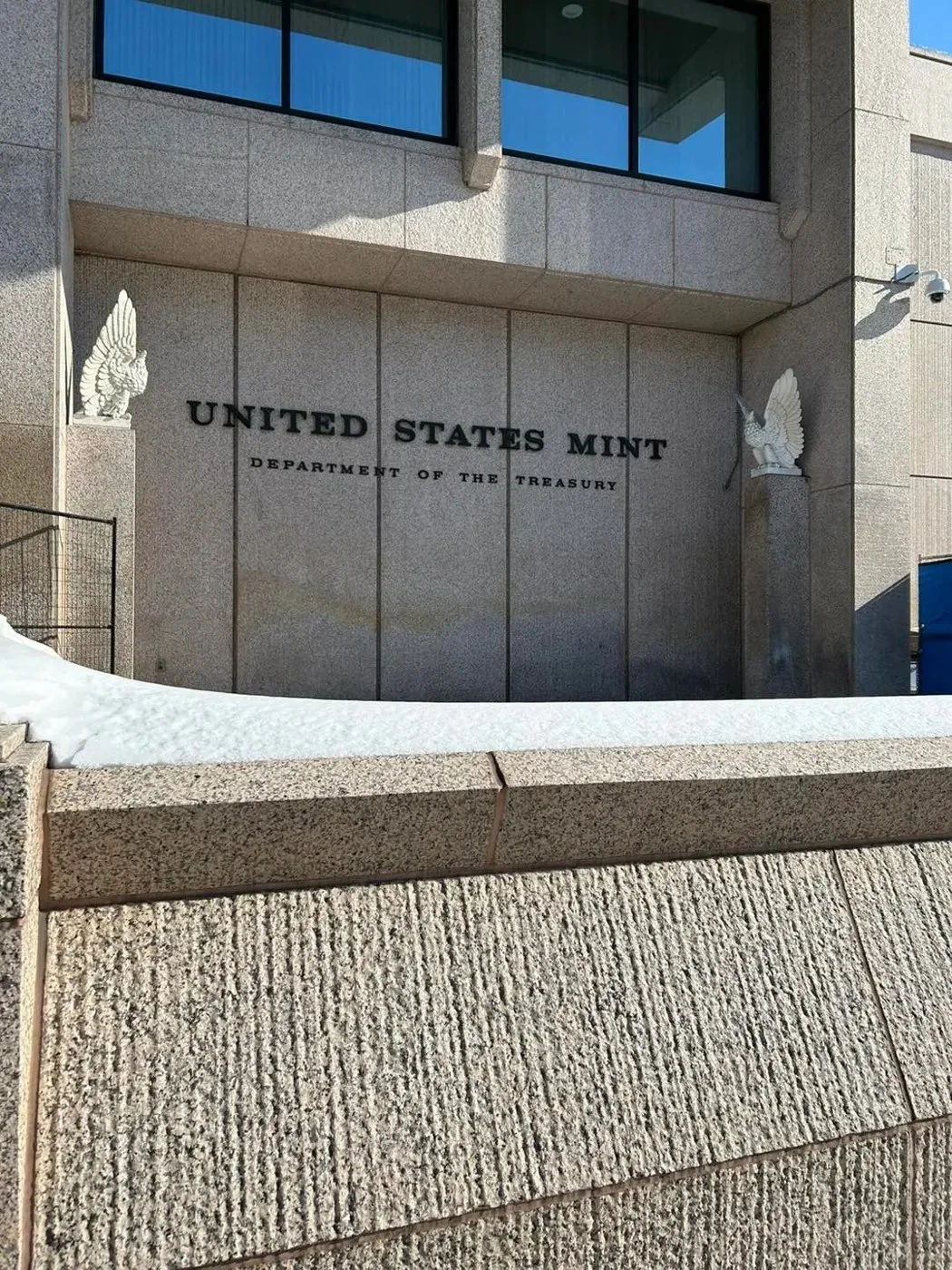
The law lets the Treasury make the 5-cent coin with a zinc core and a nickel outer layer, weighing between 4 and 6 grams, if testing shows the mix costs less and has minimal effect on machines that take coins. The Mint can still make pennies for collectors.
Within 90 days, the Federal Reserve Board has to publish a plan for how coin terminals will accept penny orders and deposits so the coins keep moving through the system. The Treasury has 60 days to assess how penny shortages and rounding affect low-income and older Americans and people without bank accounts, with recommendations for Congress.
The law also sets a process for retiring other coins. The Treasury must notify the House and Senate banking committees at least 60 days before it stops minting any circulating coin, with its reasons and a phase-out plan.
The House passed the bill by voice vote on Sept. 14 and the Senate by unanimous consent on Sept. 28, according to Lummis, who said the Mint projects savings of $56 million a year.