JPMorganChase said Thursday, Nov. 19, that "third parties who provide services" to the bank were the target of a cyberattack, and that the attackers may have seen some Chase customers' names and email addresses.
"Based on our investigation so far, we believe the attackers accessed certain marketing data held by those vendors, which may include some customer names and email addresses," the bank said in its statement. The bank did not name the vendors. It also did not say when the attack happened or how many customers are affected.
The statement describes marketing data. It does not mention account numbers, Social Security numbers, passwords or card details. The bank says it "will contact affected customers directly and offer support, including complimentary credit monitoring" where appropriate.
JPMorganChase also says the attack has nothing to do with the problems some customers had earlier this week. On Monday, Chase customers saw delayed transactions, which the bank blamed on a software bug in on-premise hardware systems and said was not cyber-related, as Edit USA reported on Nov. 16.
What Chase customers can do now
Names and email addresses tied to a bank are what a scammer needs to send a convincing fake Chase email, usually with a link to a fake sign-in page. The bank's statement does not mention phishing, but its own security pages tell customers how to handle these messages.
Chase's fraud reporting page gives these steps:
| If you | What Chase says to do |
|---|---|
| Get a suspicious email that claims to be from Chase | Forward it to phishing@chase.com |
| See a charge you don't recognize on a personal credit card | Call 1-800-955-9060, option 2, or report it in the Chase Mobile app |
| See a problem with a checking or savings account or debit card | Call 1-800-935-9935, option 8 |
| Think your identity was stolen | Ask the credit bureaus for a fraud alert or credit freeze, and report it to the FTC |
The bank also tells customers that when in doubt, they should contact Chase before sharing account information or sending money, by calling the number printed on their card or statement.
How a credit freeze works
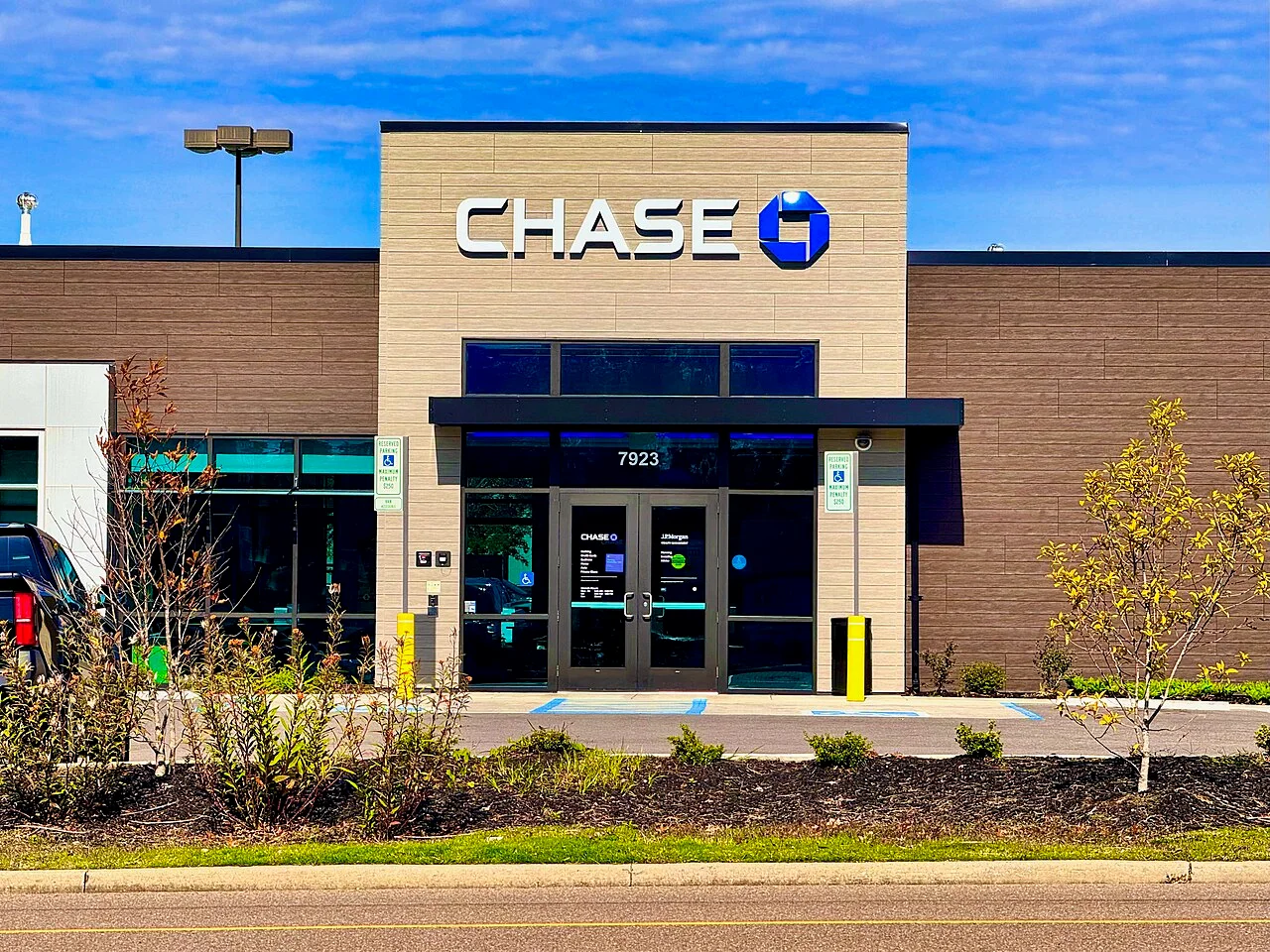
A freeze guards against new credit opened in your name. The bank's statement doesn't say Social Security numbers or account data were taken. For anyone who wants one anyway, USA.gov's credit freeze page explains the rules. A freeze is free and stops lenders from pulling your credit report, so no new account can be approved in your name, real or fake. You have to place it separately with Equifax, Experian and TransUnion, by phone, by mail or online.
Requests made online or by phone must be honored within one business day. When you need to apply for a loan or card later, an online or phone request to lift the freeze has to be processed within an hour.