
If you bought something online, moved cryptocurrency or browsed on an older iPhone late Sunday or on Monday, Nov. 16, some of the big websites you used may have been running code built to steal card numbers and crypto. It got there through a tool those companies use to test their web pages.
Optimizely, which sells that testing service, posted on its status page that someone used a weakness in its Web Experimentation product to slip malicious JavaScript into some customers' projects. The company says the hole is closed, the bad code has been stripped out and the affected accounts are locked down.
Security researcher Scott Helme, who first published the list of affected sites, counted 178 organizations. They include Zoom, Salesforce, GitLab, KLM, Air France, American Eagle, American Girl, Scheels, Stamps.com and Mutual of Omaha, plus several major news sites.
What the code did
Optimizely's service works by loading a small script from Optimizely's servers into each customer's pages. The attacker wrote a loader into that script for each affected project, so visitors' browsers pulled a second file from a server the attacker controlled. The security firm StepSecurity read the final version of that file and published its analysis. One piece was a crypto address swapper. When a page showed a wallet address near words like "wallet," "deposit" or "send," the code replaced it with one of the attacker's addresses. It also intercepted the copy command, so a wallet address a visitor copied on one of these sites could already be the attacker's by the time it was pasted into a wallet app.
A second block was a card skimmer. It watched checkout forms for a valid card number, expiration date and security code and sent them to the attacker. It could not read card fields inside a payment provider's separate secure frame. A third part captured a screenshot of the page and some browser cookies after it swapped an address.
On iPhones and iPads, the file also loaded attack code aimed at older versions of Apple's software. Helme identified it as two known exploit kits, according to StepSecurity, which did not test that part itself.
When you could have been exposed
StepSecurity puts the window at about 04:00 to 21:00 UTC on Nov. 16, or about 16 hours for most sites. In U.S. terms, that is roughly 8 p.m. Sunday to 1 p.m. Monday Pacific time, or 11 p.m. Sunday to 4 p.m. Monday Eastern. The card skimmer came later. It went in at 13:43 UTC, or 5:43 a.m. Pacific on Monday.
The attacker's server is down. Its domain was suspended Monday afternoon, U.S. time, and no longer resolves.
Public scan records on urlscan.io show pages on zoom.com, gitlab.com, klm.com, americangirl.com and scheels.com requesting files from that domain on Monday.
The crypto haul appears small. StepSecurity found that the attacker emptied its Bitcoin, Litecoin and Ethereum wallets Monday night, U.S. time. Helme put the total take at about $7,040 as of late Monday morning Pacific. Stolen card numbers and cookies don't show up on a blockchain, so the full damage isn't known.
What to do if you visited an affected site

- If you entered a card number on one of these sites during the window, check your statements and ask your card issuer for a replacement card. StepSecurity advises treating those cards as exposed.
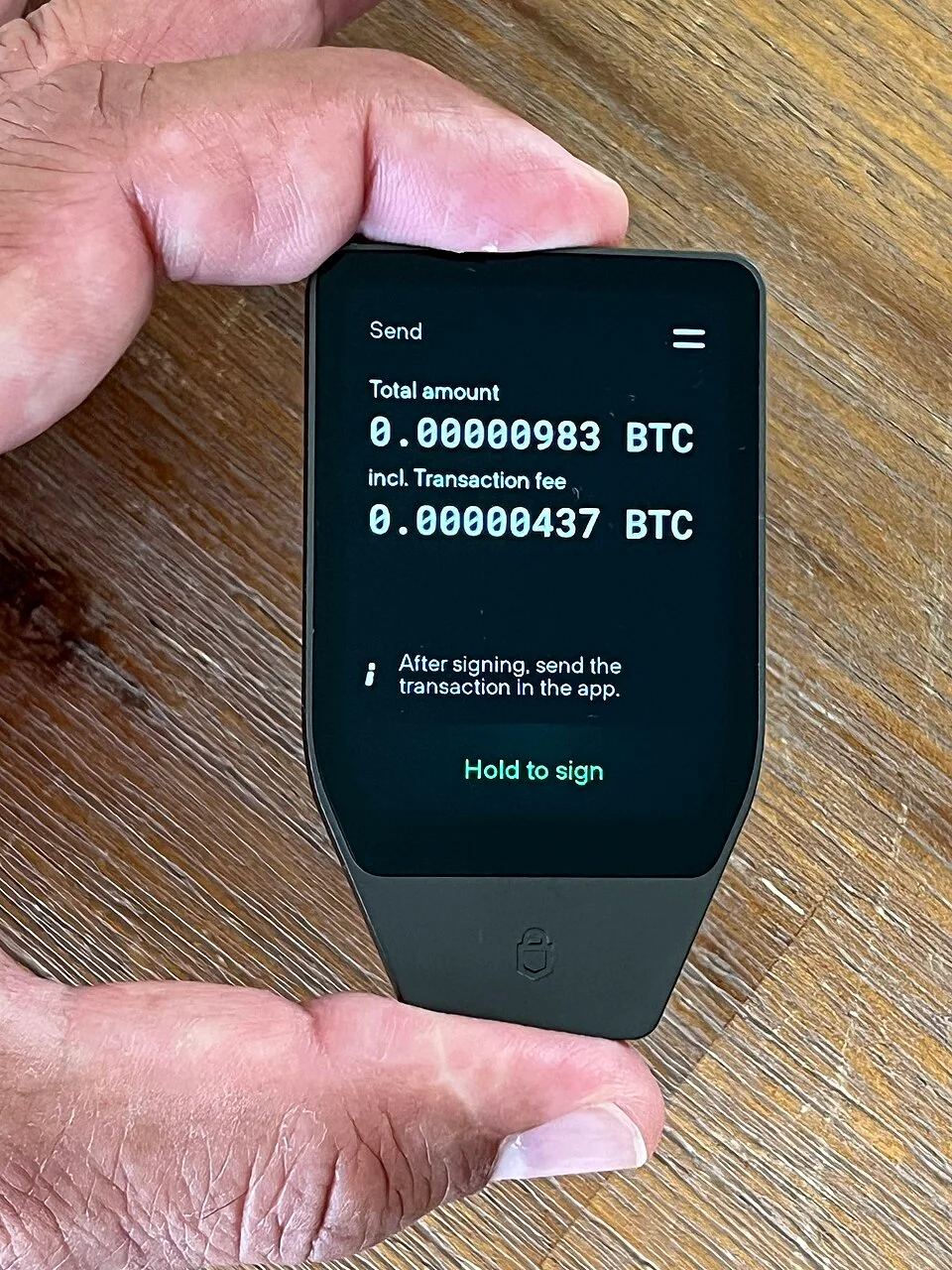
- If you sent cryptocurrency to an address you copied from a website that day, check the destination shown on your wallet app or hardware wallet against the address you intended.
- On an iPhone or iPad, install the latest iOS or iPadOS update. Helme reported that notes inside the attack kit treat iOS 18.7.3 or newer, and iOS 26.3 or newer, as patched. Phones on iOS 18.6 or older had the page reload once a minute so the attack could try again, he said.
- If you were signed in to a sensitive account on an affected site, consider signing out of other sessions and changing the password.
Optimizely has pointed to a bug in the way new accounts sign up. The company hasn't explained how that let the attacker reach so many unrelated customers' projects. As of early Tuesday, Pacific time, its status page listed the incident as monitoring.