The United States has lost the measles elimination status it held since 2000, the Pan American Health Organization said Tuesday, Nov. 17. Mexico and Bolivia lost theirs too.
At a meeting Nov. 10 to 13, a regional commission found that endemic measles transmission had returned in all three countries. PAHO Director Jarbas Barbosa accepted its recommendation, according to PAHO's announcement. "Losing measles elimination status is much more than losing a public health designation," Barbosa said. "It means the virus has circulated for a prolonged period, putting families and communities at risk of preventable illness, hospitalization and death."
Why the U.S. lost it
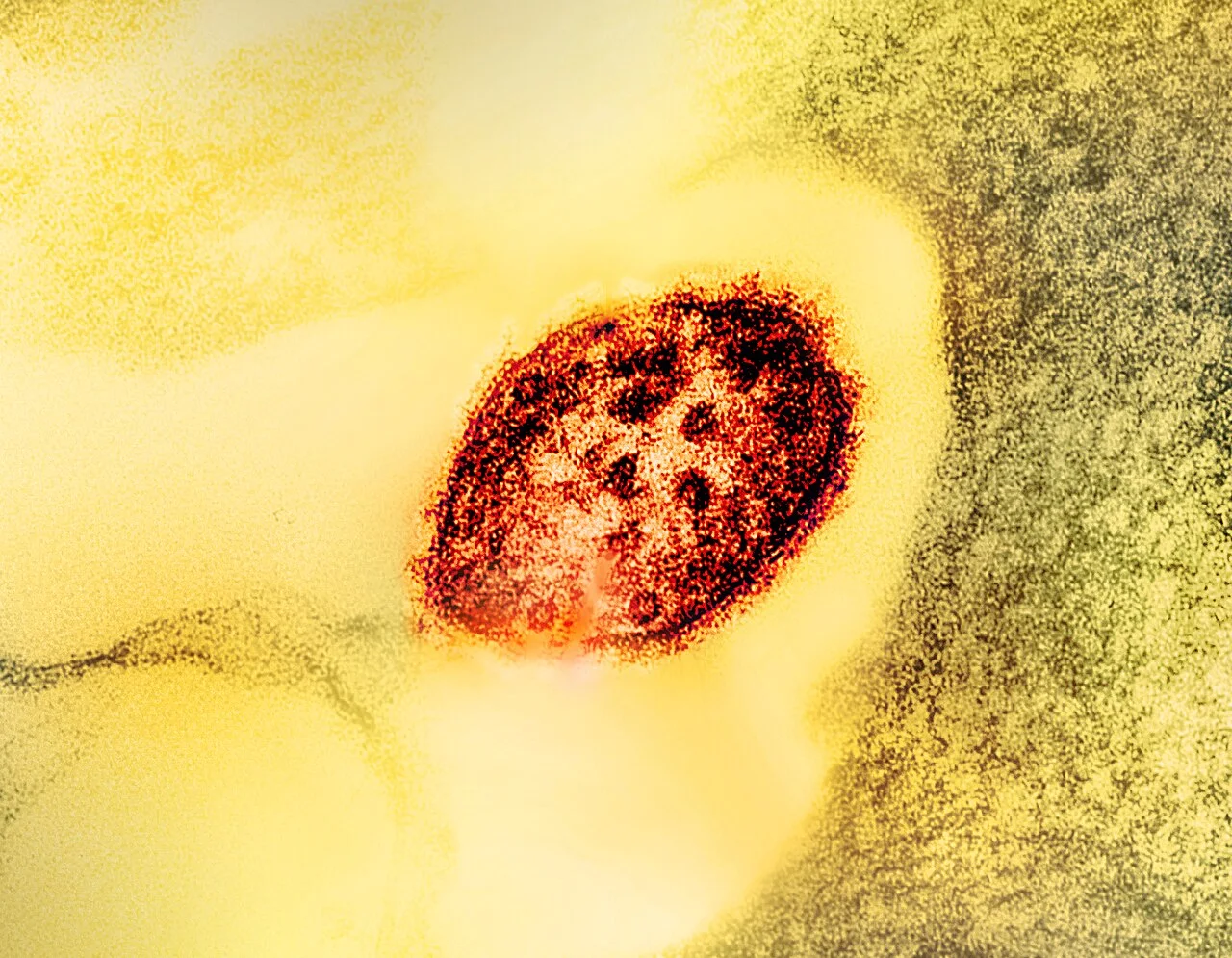
Under the commission's rules, a country loses its status when the same measles virus genotype and lineage spreads without a break for 12 months or more. Imported cases and outbreaks don't count if they're stopped sooner.
For the United States, PAHO dated the start of the outbreak to Jan. 20, 2025, and says the 12-month threshold was reached on Jan. 20, 2026, according to a question-and-answer document it published with the decision. Edit USA explained what the review measures before the commission met.
PAHO's regional figures list 5,182 U.S. measles cases so far in 2026. Across the Americas, countries had reported 58,213 confirmed cases and 82 deaths as of Nov. 13, compared with 12,806 cases in the same period last year. Guatemala had the most cases, 34,860, followed by Mexico with 13,796.
Canada lost its own status in November 2025, which also cost the Americas its standing as a region free of endemic measles. PAHO says Canada has since interrupted the outbreak that led to the loss and is working to regain its status.
What it would take to get it back
To win the status back, a country has to show it has gone at least 12 straight months without endemic transmission, and that its vaccination, surveillance and outbreak response can keep the virus from taking hold again. The commission reviews that evidence and makes a recommendation to the PAHO director.
Brazil did. It lost its status in 2019, stopped endemic transmission in 2022 and was declared measles-free again in November 2024, and PAHO points to it as the example.
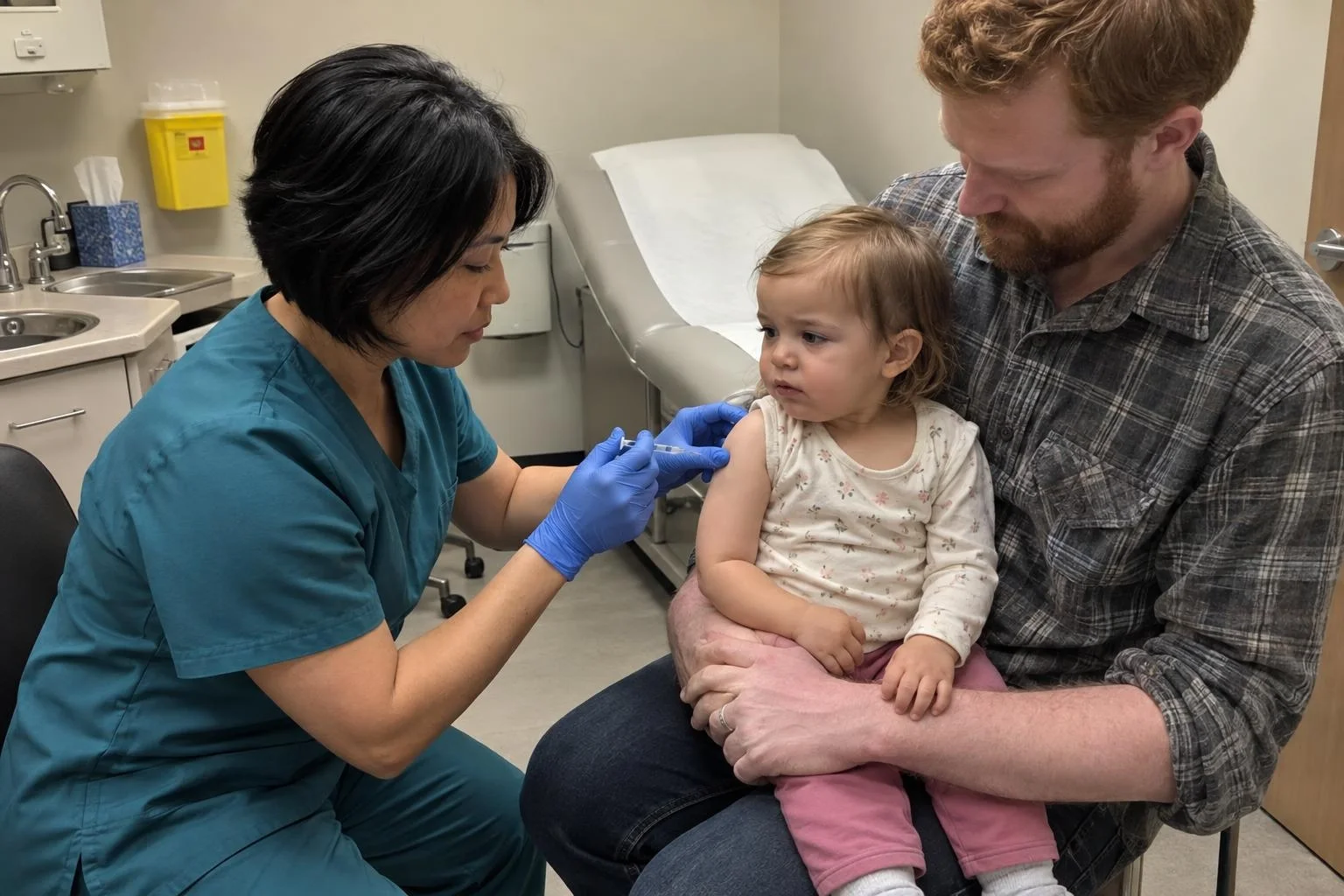
PAHO says keeping at least 95% of people covered with both doses of the measles vaccine in every community is what prevents outbreaks from becoming endemic, and that national averages can hide pockets of low coverage. Across the region, 88% of children got a first dose and 85% a second dose in 2025, PAHO says.
"Elimination is not a trophy that we win once and put on a shelf," Barbosa said. "It must be protected every day by closing immunity gaps and ensuring that every community is reached."