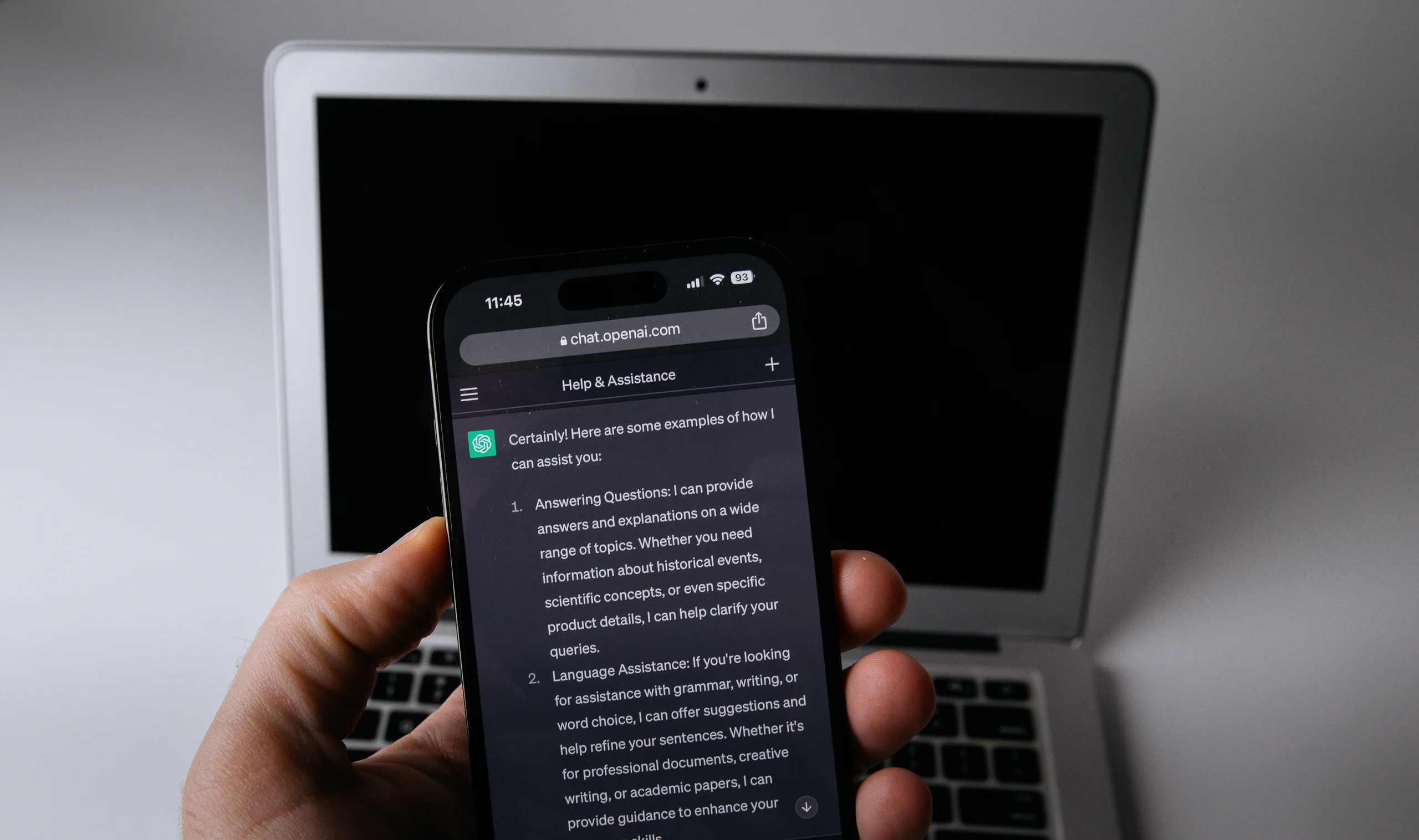

Apple is recruiting up to 200,000 people in the United States for a study of how people use AI chatbots for health questions. The Apple Health AI Usage Study, announced Sunday, Nov. 15, runs through a free iPhone app built with OpenEvidence, a clinical AI service that doctors use to look up medical research.
Participants get a chat app that answers everyday health questions with links to peer-reviewed sources. In return, Apple collects data on whether people trust the answers, understand them and act on them.
Who can join
Apple sets four conditions:
- You must be in the United States.
- You must be 21 or older.
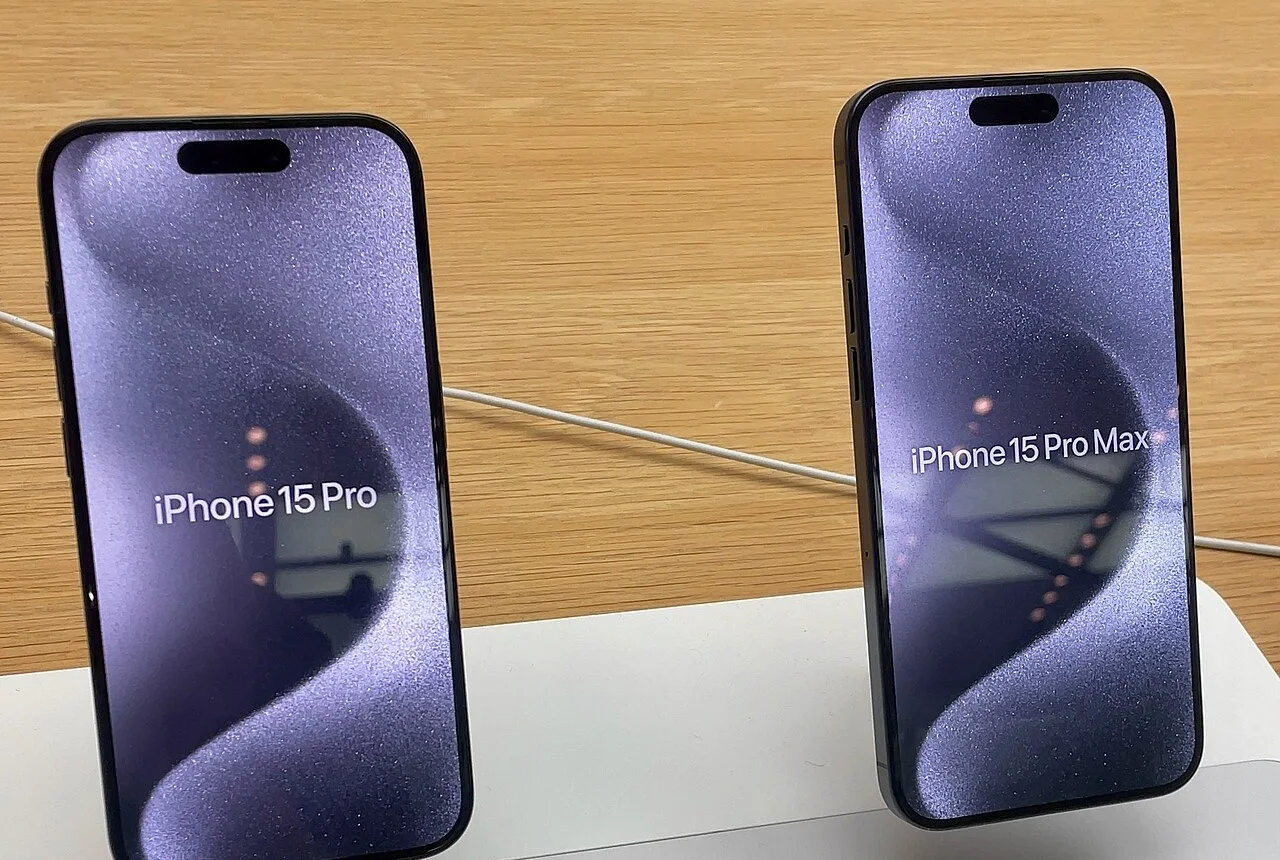
- You need an iPhone that runs Apple Intelligence, which Apple describes as iPhone 15 Pro or later.
- The phone must run iOS 26 or later.
Apple's device list lists the phones that qualify: the iPhone 15 Pro and 15 Pro Max, every iPhone 16 model or later, iPhone Air and iPhone Duo. A standard iPhone 15, or anything older, can't take part.
The study app, listed in the App Store as Apple Health AI Study App, is free and comes from Apple Inc. The listing rates it 18+, though the study's own age limit is 21. The app explains the study and lets eligible users choose to enroll.
What the app does
The App Store description says participants can use the app to make sense of symptoms or conditions, look at their own health data in context, get ready for a doctor's appointment and draw up an exercise or meal plan. Answers come from OpenEvidence's system and include clinical citations.
Sharing personal data is optional. Participants can let the app read HealthKit data such as resting heart rate, activity, sleep or lab results, and Apple says the study will look at whether that data makes answers more relevant. The app also includes safety guardrails meant to catch certain worrying questions and point the person to a provider or other help.
Both Apple and the listing say the app does not give medical advice, diagnosis or treatment, and the listing tells users to check with a medical professional.
What Apple says it does with the data
Apple says it will not use the study's data to train AI models. Participants decide whether to share HealthKit data or survey answers, and Apple says it has safeguards in place for the study records it holds.
The App Store privacy label lists a user ID as data that can be linked to a participant's identity, used for analytics and app functions. Diagnostic data is collected without being linked to the person.
Sumbul Desai, Apple's vice president of Health and Fitness, said in the announcement that a dedicated research study is "the most thoughtful way to understand how people engage with, comprehend, and evaluate health AI in everyday life." The announcement does not say how long the study will run or when results will be published.