
If someone calls to say you missed jury duty and a warrant is out for your arrest unless you pay a fine, the Justice Department says the caller may be sitting in a Georgia prison cell. Prosecutors described that scheme on Tuesday as part of what they called the largest crackdown on scammers in the department's history.
Since President Trump signed Executive Order 14390 on March 6, federal prosecutors have brought actions in more than 400 cases against more than 800 defendants, the department said. That tally counts indictments, convictions, sentences and extraditions in 85 federal districts, including 30 people brought from other countries to stand trial here.
The jury duty calls from prison
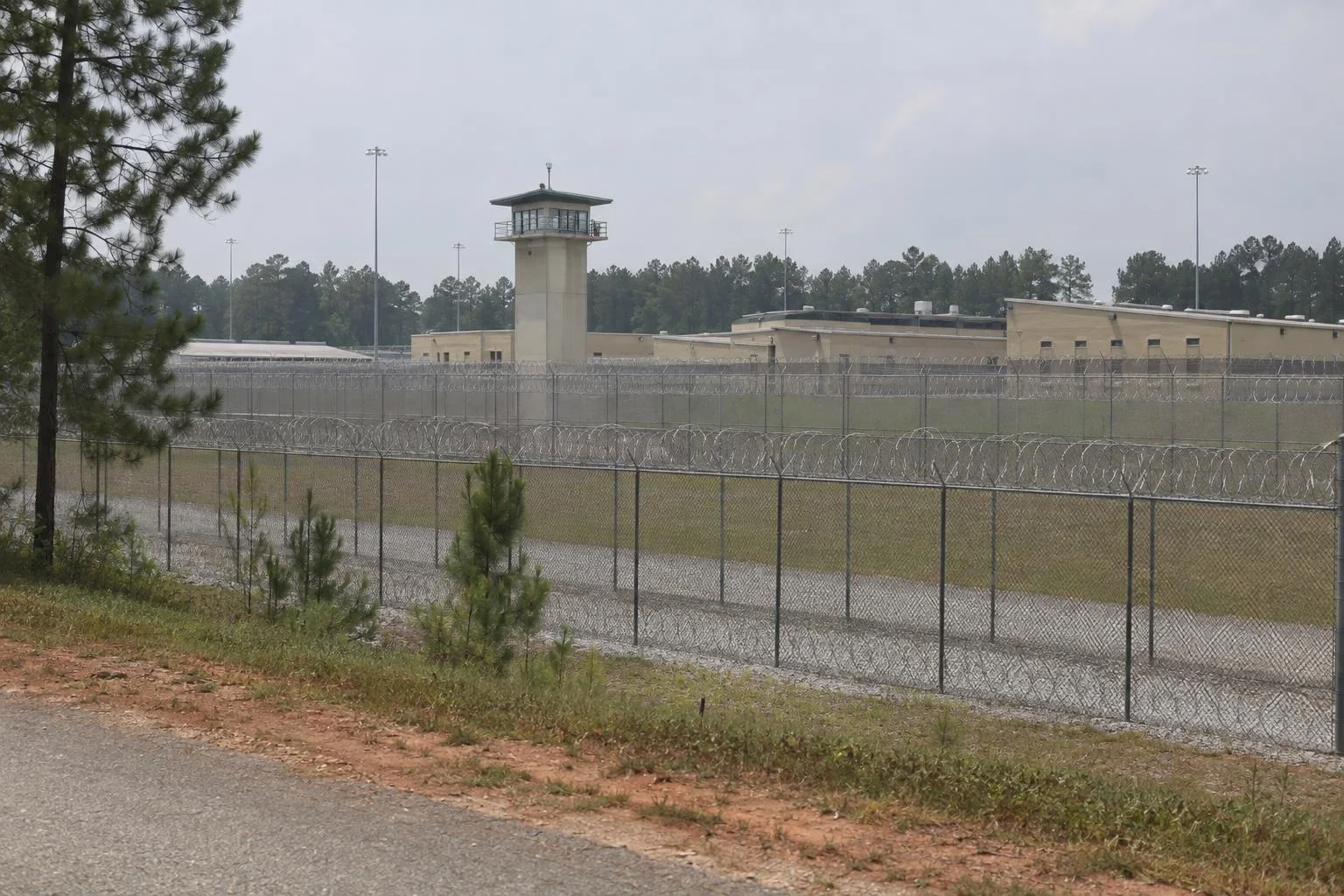
According to the Criminal Division's case summary, gangs working mainly out of Georgia prisons have used contraband phones, smuggled in by drones and corrupt guards, to call people and claim there is a warrant for a missed jury summons. The caller then demands payment.
Several cases were filed this month. On Nov. 10, prosecutors indicted two current Georgia inmates and one former inmate in federal court in Texas on wire fraud and money laundering charges. A superseding indictment in southern Illinois on Nov. 3 charged six Georgia inmates and two others. Georgia state prosecutors separately indicted 17 people on Nov. 9 for smuggling phones into state prisons.
An indictment is only an accusation, and every defendant is presumed innocent unless proven guilty.
Postal inspectors also obtained a warrant to seize three websites the inmates used to pose as federal courts, ejurorcourts.org, judicialservices.org and civilservicesdivision.org, and sent warning letters to more than 1,300 people who had acted as money mules for the schemes. On Nov. 19 the FCC voted to let state prisons jam the signals of contraband phones.
The federal judiciary's juror scam page says these calls are not connected with the courts, that most court contact with jurors comes by mail and that federal courts never ask for sensitive information by phone or email. Its advice is to give the caller nothing and call the clerk's office of your local federal court.
The other scams prosecutors named
The department's list goes further. Charges filed in the past month include cryptocurrency investment fraud run from scam centers in Southeast Asia, letters promising multimillion-dollar inheritances in exchange for fees, a sweepstakes scheme against older Americans and a Peruvian call center that told Spanish-speaking callers they would be arrested or deported unless they paid for English classes. A list broker in Mexico was charged with selling the names and contact details of elderly Americans to scammers. The FBI said its Operation Blackout has frozen close to $17 billion tied to scams and headed off more than $690 million in losses before victims paid. The department cited Gallup estimates that Americans lost $68 billion to scams in 2025.
Older adults who have been targeted can call the National Elder Fraud Hotline at 833-FRAUD-11 (833-372-8311), open weekdays from 10 a.m. to 6 p.m. Eastern. The department is also asking families to "Share Your Scam Story" with relatives over the holidays, through a public education campaign run with the FTC, the Consumer Financial Protection Bureau and other agencies.