President Donald Trump on Monday directed the Justice Department to pursue death sentences in more federal murder cases, including the first-degree murder of a child, and to speed up federal executions. He announced the memorandum to the attorney general at a Justice Department event, where he also attacked California Gov. Gavin Newsom's plan to commute all 548 death sentences in the state.
Trump called Newsom's move "one of the most shocking acts of injustice our country has ever seen." Newsom's office put out a response before the event, saying the president had used his own pardon power to help wealthy allies avoid paying restitution to victims.
What the memo tells the Justice Department
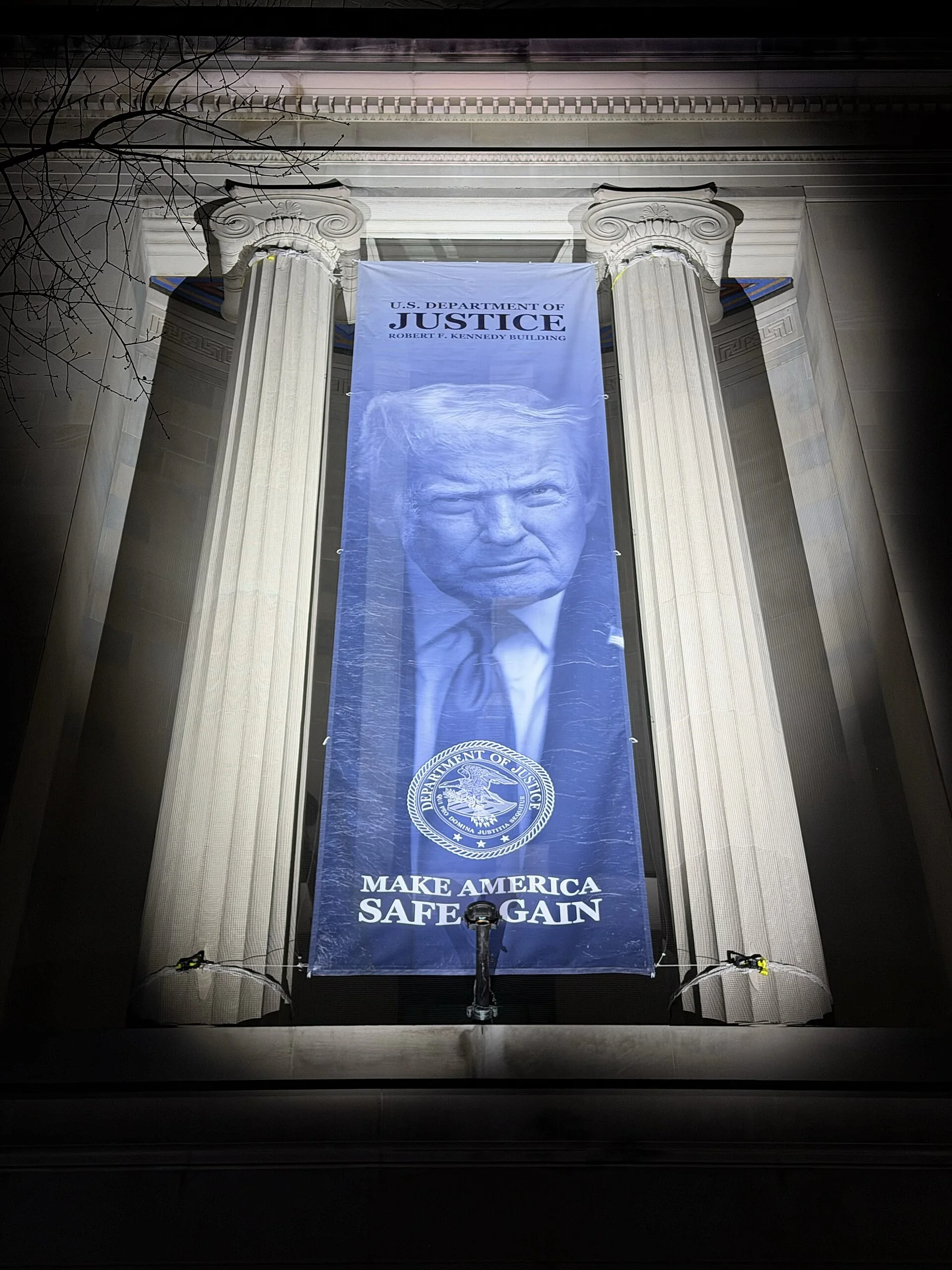
The memo adds three kinds of murder to the federal cases in which the attorney general should pursue federal jurisdiction and seek a death sentence:
- First-degree murder of a minor.
- Murder committed during a rape, sexual abuse, sexual exploitation of a child or sex trafficking.
- Murder committed during a kidnapping or human trafficking.
Those join the categories in Trump's January 2025 executive order on the death penalty, which the White House fact sheet describes as the murder of a law enforcement officer and capital crimes by people in the country illegally.
The second part covers sentences already handed down. The attorney general is told to carry out federal death sentences "as expeditiously as possible" by prioritizing appeals and habeas petitions, opposing what the memo calls "dilatory litigation tactics," asking courts for faster rulings and cutting administrative delays.
Every directive in the memo applies to federal crimes and federally imposed sentences. The death penalty is to be sought only "when appropriate and consistent with applicable law," and the memo creates no right anyone can enforce in court. It says nothing about state death rows, including California's.
The fight over California's death row
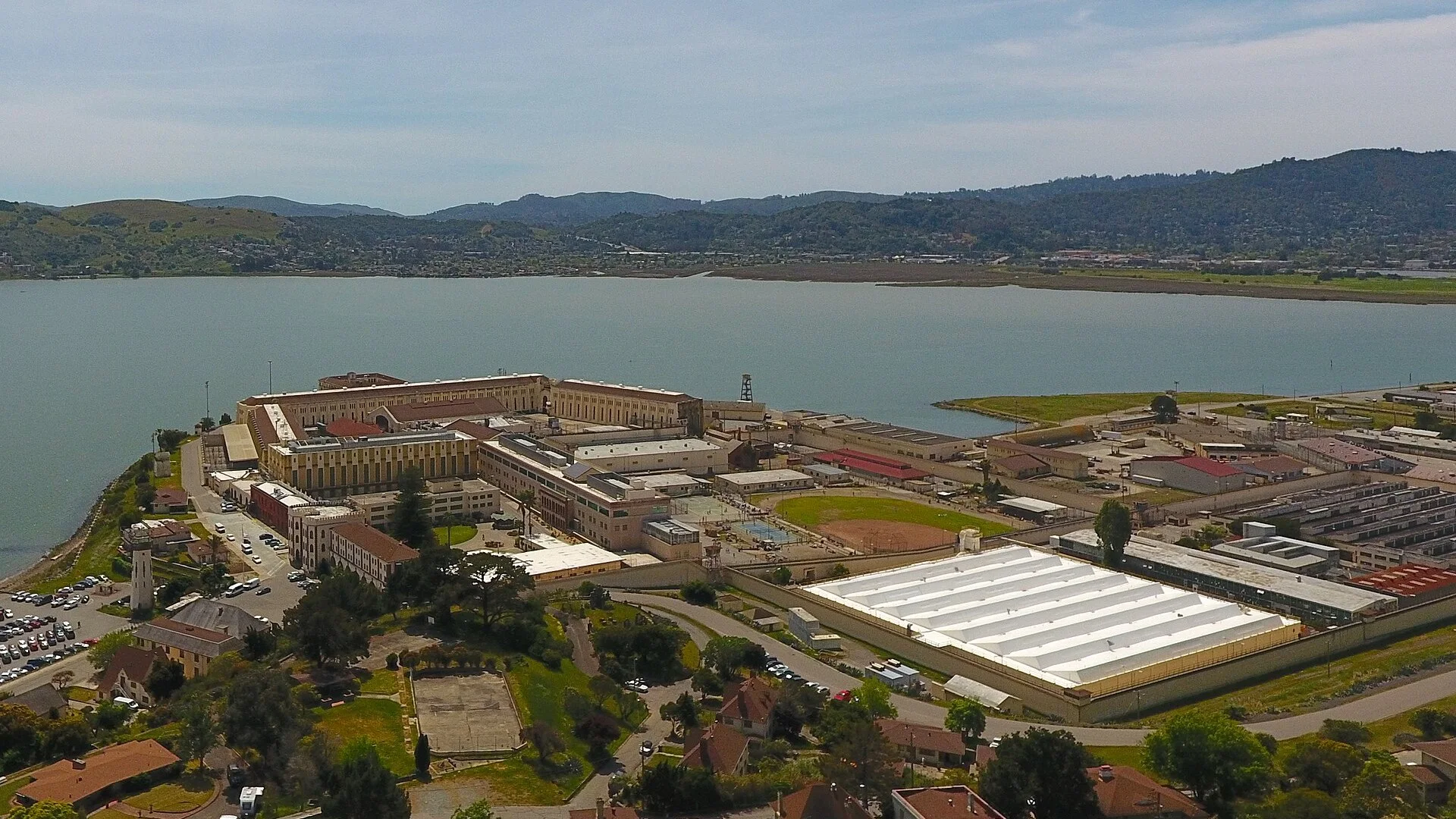
Newsom announced on Nov. 5 that he would change every death sentence in California to life in prison without parole, as Edit USA reported at the time. In a petition dated Nov. 15, district attorneys from 29 counties asked the California Supreme Court to block the commutations, arguing that the governor skipped the notice to prosecutors that state law requires.
At Monday's event, Trump said, "We come together to stand against the travesty and to wrap our arms around the families of victims who were so cruelly betrayed by bad government and our political system." The White House later posted a video titled "God bless the victims of these evil monsters. You will never be forgotten."
In its statement, Newsom's office said the decision "does not release a single person from prison" and that everyone affected will stay in prison for life without parole. It cited a House Judiciary Committee Democrats' report finding that Trump's pardons wiped out $1.7 billion in restitution and other money owed. "I won't take lectures on accountability from a President who has used the pardon power to help wealthy friends and business associates avoid accountability while victims are left fighting to recover what was stolen from them," Newsom said.
California has not carried out an execution since Jan. 17, 2006, according to the governor's office, and Newsom halted them with a 2019 moratorium. His office still calls the commutations "proposed." Under the California Constitution, a governor can grant clemency to someone twice convicted of a felony only on the recommendation of the state Supreme Court, with four justices agreeing.