Democratic presidential candidates will have to sign and follow a pledge denouncing specified outside spending to qualify for the party's 2028 primary debates. The Democratic National Committee announced the requirement Monday alongside plans for 12 debates, beginning in June 2027.
The pledge sets conditions on candidates' access to the debate stage. The DNC says it has no legal authority to ban super PACs or dark money groups. Its rules instead require candidates to respond to covered spending and restrict fundraising arrangements with party committees.
For voters, that means an outside advertisement could still run even after the candidate it supports denounces it.
When the debates begin
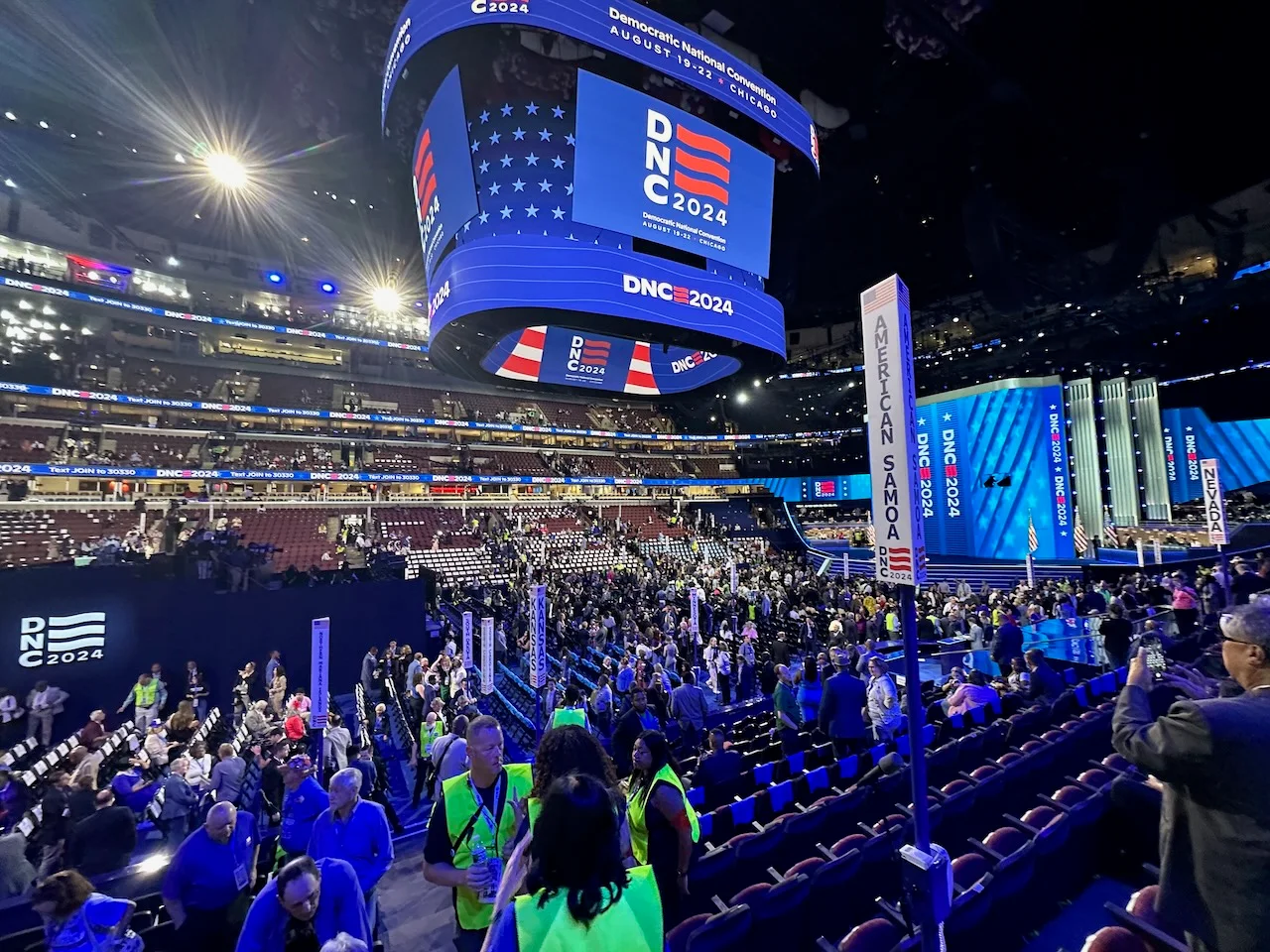
The DNC's initial framework calls for five debates in 2027 and seven in 2028. The first two are planned for June and July 2027, with the final debate expected in March 2028. The party can adjust the schedule.
Specific dates, locations, media partners and qualification criteria for the first two debates are due in January 2027. Candidates will need to meet polling and other measures of support, such as grassroots fundraising, as well as filing and constitutional requirements. The announcement does not supply numerical polling or donor thresholds.
Early debates could span two consecutive nights, accommodating as many as 20 qualifying candidates across both nights. Each candidate would appear on one night, with assignments determined through a random process designed to balance the lineups.
Minyon Moore and Roger Lau will lead the debate planning committee. Candidates may attend single-candidate forums or town halls, but taking part in an unsanctioned debate would make them ineligible for future DNC debates.
What the spending pledge covers
The party's explanation covers television, radio, digital, billboard and mail advertising by super PACs and Section 501(c)(4) social welfare organizations that promotes a Democratic primary candidate or opposes a Democratic primary rival. Advertising aimed only at Republicans falls outside those terms.
A designated representative of a campaign whose candidate signed the pledge can report suspected violations. The DNC will review complaints and tell campaigns when a denunciation or another remedy is required. It plans to publish a tracker of complaints, decisions and denunciations.
The pledge document makes debate eligibility the enforcement tool. A candidate who fails to denounce covered spending after DNC notification by the qualification deadline loses access to that debate and subsequent debates until complying.
For unauthorized local party advertising, the remedy is also denunciation. If a campaign requested or approved the party spending, it must reimburse the party committee before regaining debate eligibility.
How that differs from federal spending rules
Under Federal Election Commission guidance, independent expenditures pay for communications expressly advocating a clearly identified candidate's election or defeat without consultation, cooperation or a request from the candidate or the relevant campaign or party representatives. These expenditures are not contributions and have no spending limit.
Federal rules generally require disclaimers identifying who paid for independent communications and saying they were not authorized by a candidate or candidate's committee. The name of the advertiser can therefore differ from the campaign of the person the ad supports.
Super PACs can accept unlimited contributions from individuals, corporations, labor organizations and other political committees, subject to prohibited-source rules. Foreign nationals and federal contractors remain prohibited sources.
Party fundraising has a separate restriction
The pledge bars a presidential campaign from entering a joint fundraising agreement with a Democratic Party committee before becoming the presumptive nominee. A violating agreement must be terminated and the contributions received by all participating committees refunded to restore debate eligibility.
The FEC describes joint fundraising as committees or organizations raising money together under a written agreement. That agreement identifies a fundraising representative and specifies how proceeds and expenses will be allocated.
The DNC says candidates may still support, promote and attend party events. The pledge's terms do not apply to the general election.