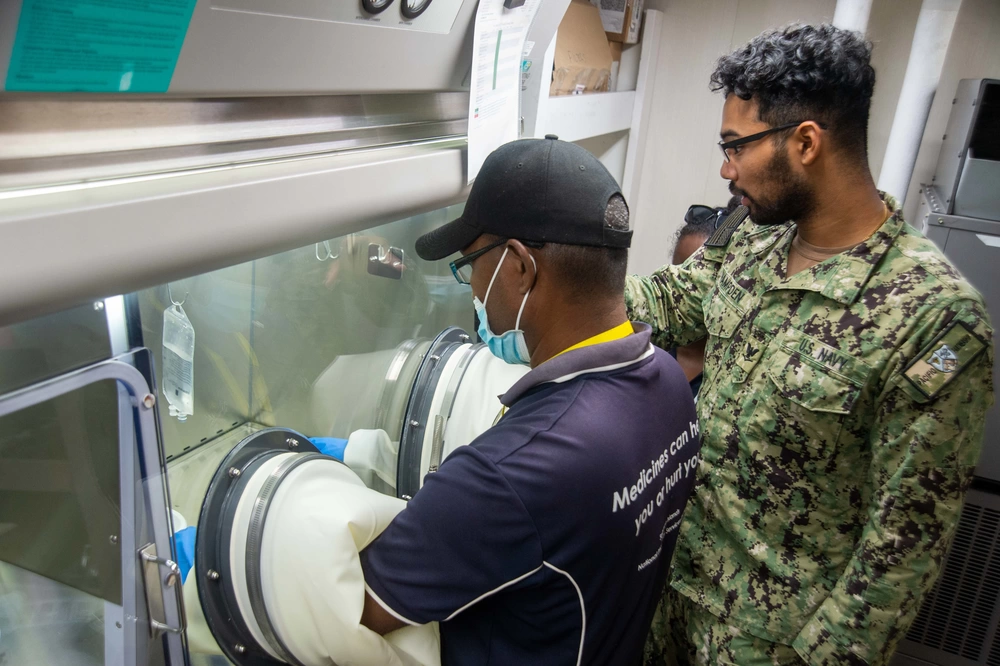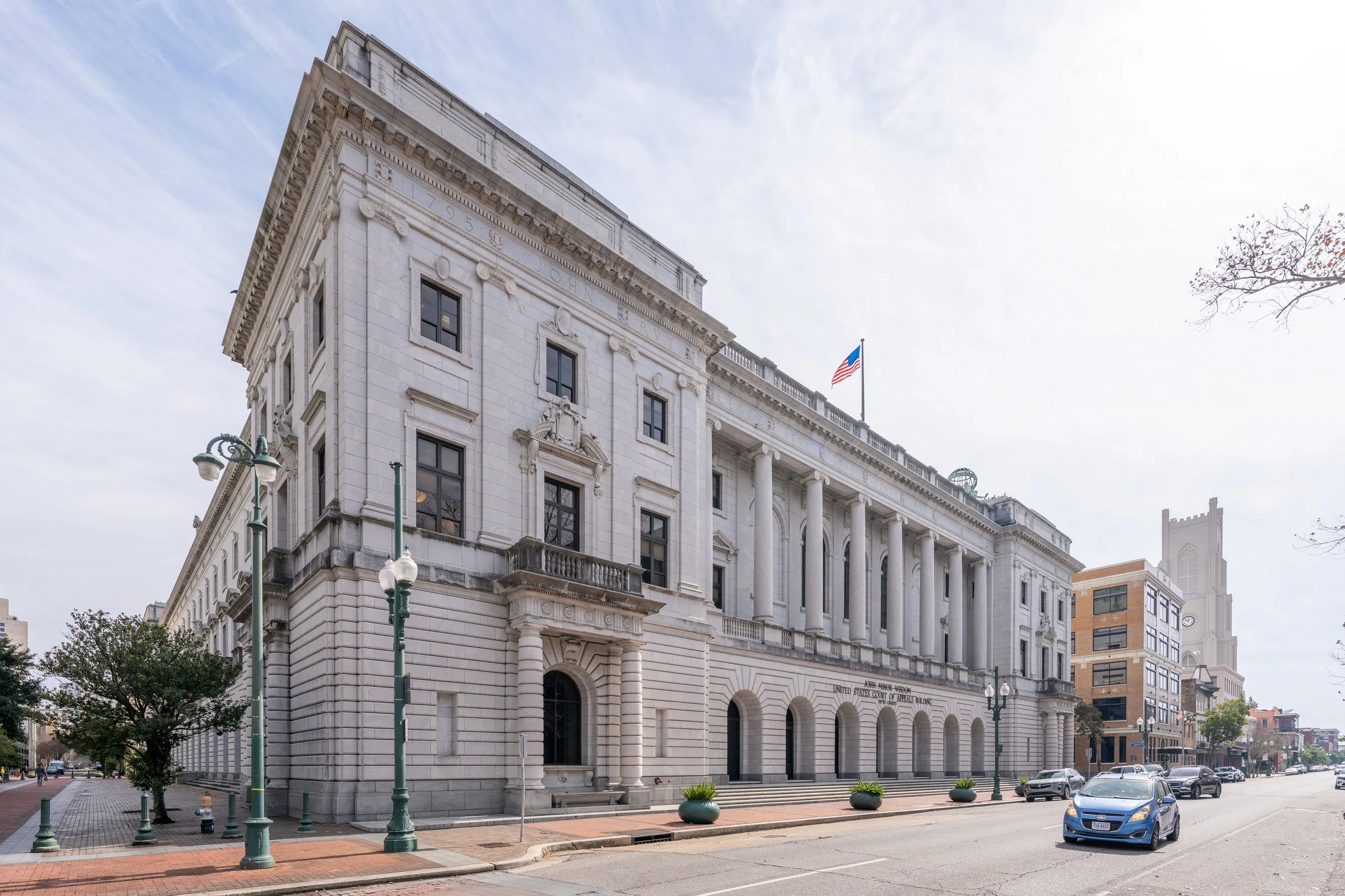
The full federal appeals court in New Orleans ruled on Friday, Nov. 20, that the House broke the Constitution's quorum rule when it counted members voting by proxy to pass the $1.7 trillion government funding law in December 2022. The ruling leaves Texas exempt from federal enforcement of the Pregnant Workers Fairness Act, which was part of that law.
The Fifth Circuit voted 9 to 8 in State of Texas v. Blanche. Judge Cory T. Wilson wrote for the majority. The decision keeps in place a lower court order that bars the federal government from enforcing the pregnancy accommodation law against Texas. It does not strike down the rest of the funding law, and it does not touch other employers.
What the court decided
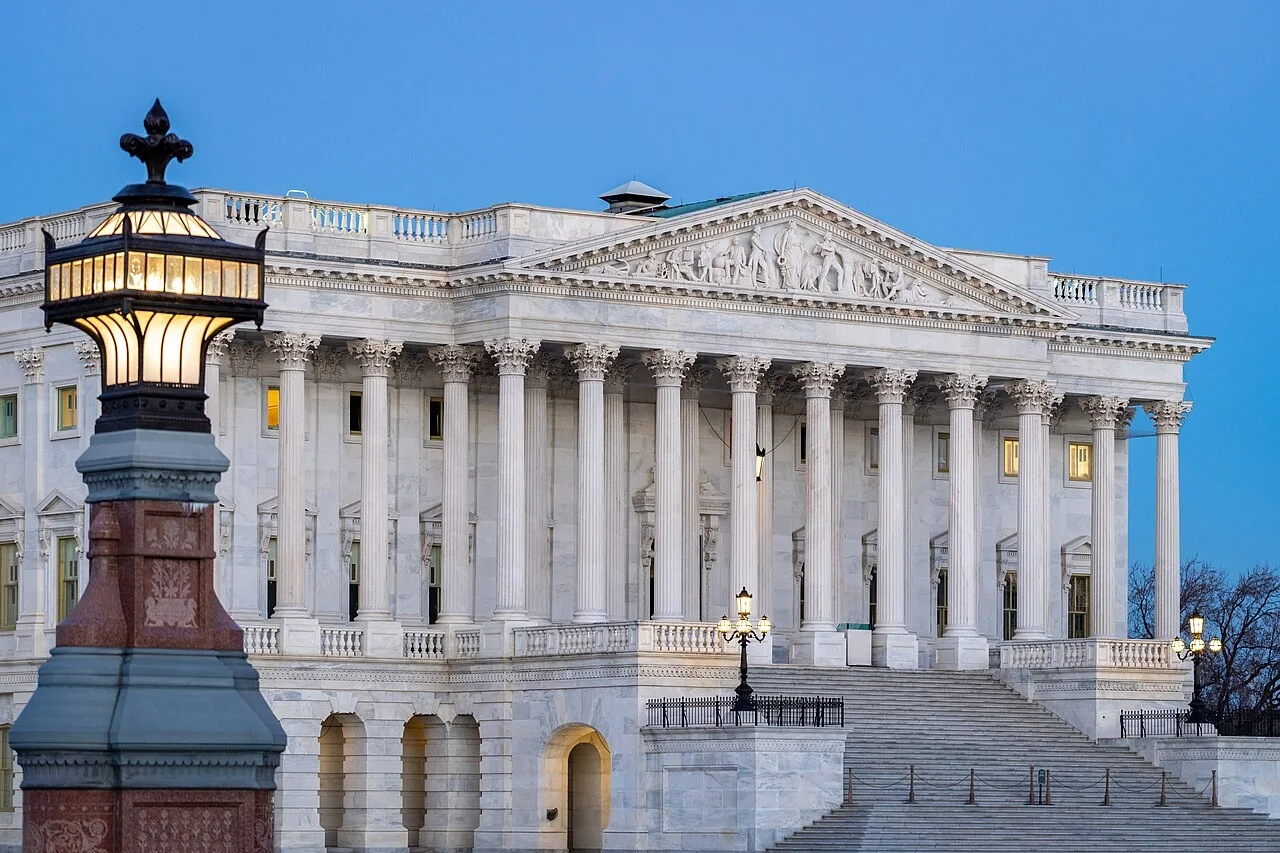
The Constitution says a majority of each chamber "shall constitute a Quorum to do Business." The majority read that to mean members have to be there in person. "'Proxy presence' does not count," it wrote. The court said the Supreme Court settled that point more than 125 years ago and that Congress followed it from the founding until the pandemic.
The government had argued that courts cannot look behind a bill once the leaders of both chambers sign it. The majority disagreed. The facts of the vote were not in dispute, the majority said, so the only question was what the Quorum Clause means.
How the House passed the law
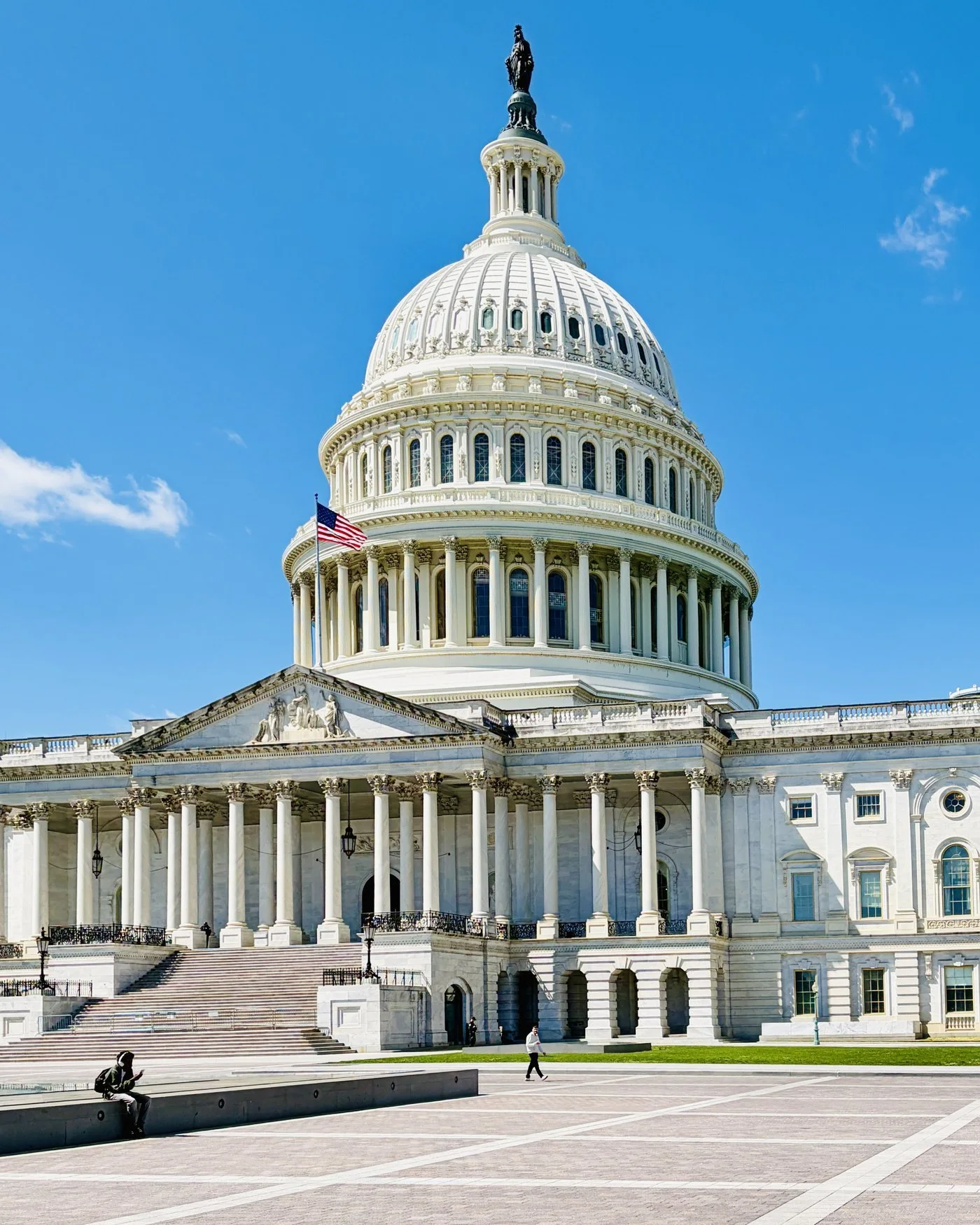
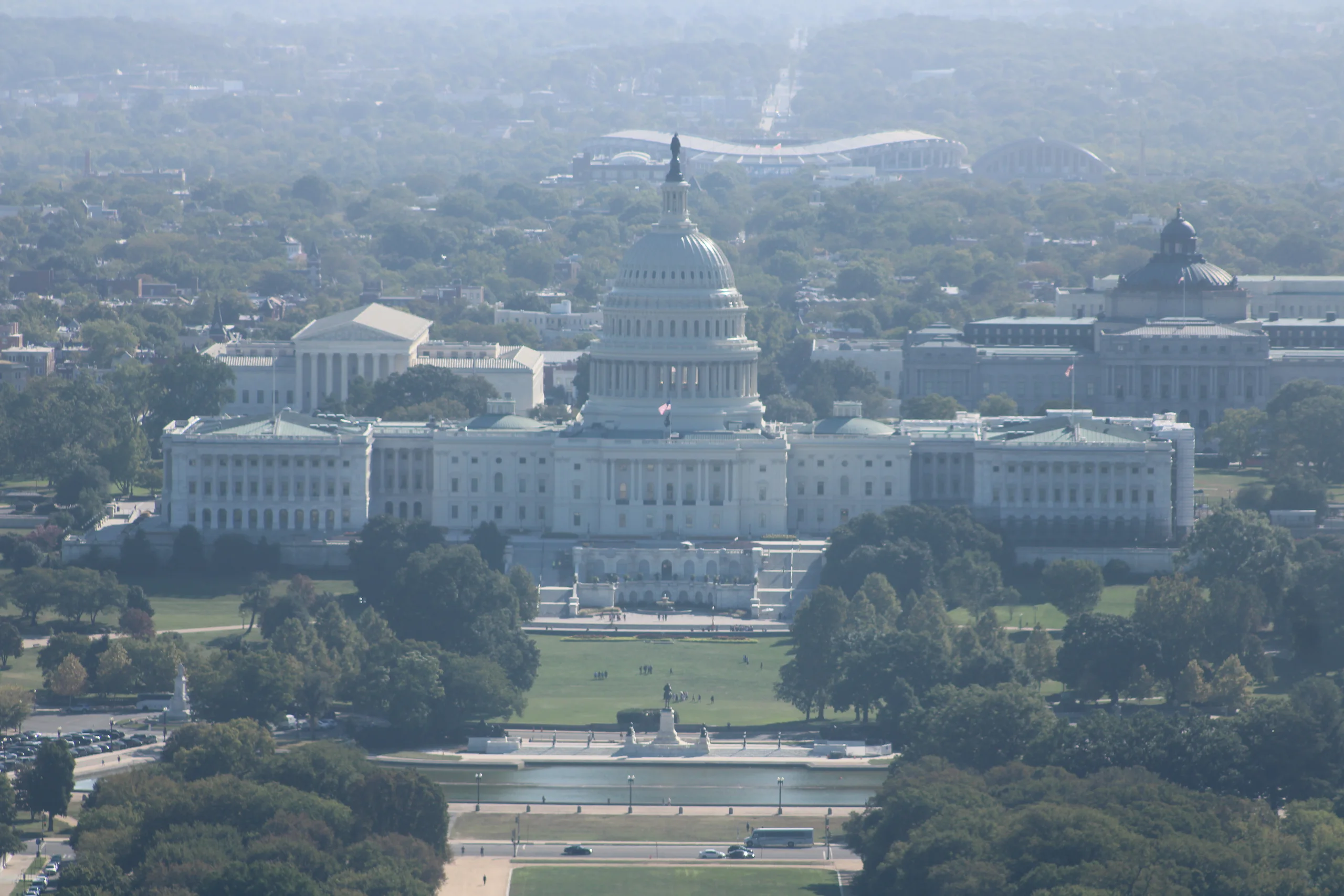
The House adopted proxy voting in May 2020 during the COVID-19 pandemic and was still using it on Dec. 23, 2022, when the funding bill, formally the Consolidated Appropriations Act of 2023, passed the House by 225 to 201. Of the 427 votes cast, 226 came in by proxy. Fewer than half the House was in the room.
Rep. Chip Roy of Texas objected on the floor that no physical quorum was present, and the presiding officer answered that members who voted or logged their presence through a proxy counted toward the quorum under House rules.
What it means for workers in Texas
The Pregnant Workers Fairness Act took effect on June 27, 2023. It requires employers with 15 or more workers to make reasonable changes for limits tied to pregnancy, childbirth or related conditions, unless that would cause an undue hardship, according to the Equal Employment Opportunity Commission. The law covers private companies, state and local governments, Congress and federal agencies.
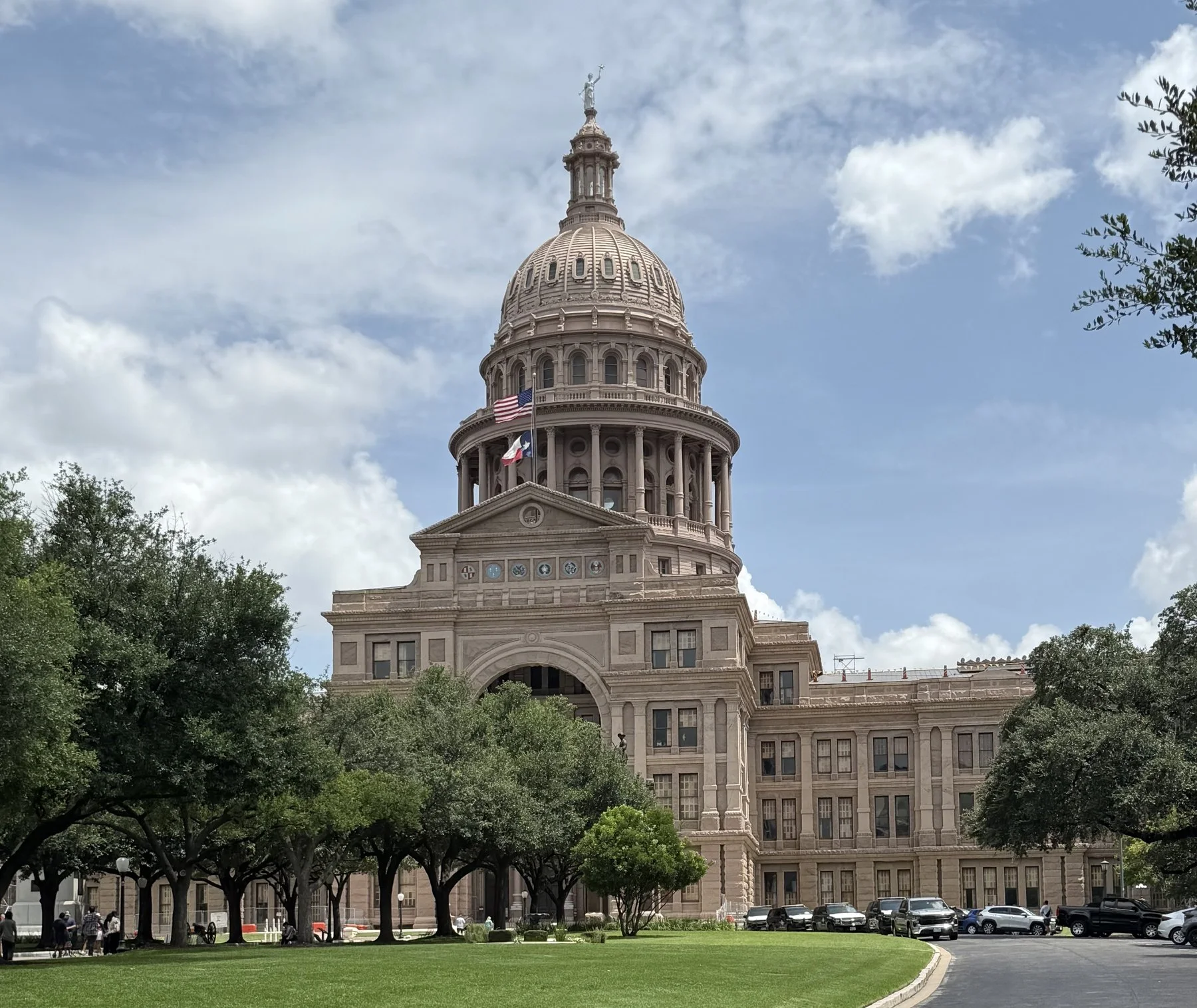
Texas sued as an employer. The district court in Lubbock blocked enforcement of the law only against the state. That order stops the EEOC and the Justice Department from enforcing the law against the state government. Private employers in Texas and every employer in other states remain covered. The case does not involve Title VII, which separately bans pregnancy discrimination at work, or the Americans with Disabilities Act.
The dissent and what comes next
Judge James E. Graves Jr. wrote the main dissent for seven judges. He said the Constitution lets each chamber set its own rules and that the majority added a physical-presence requirement the text does not contain. Judge Catharina Haynes dissented separately in a short statement saying she did not think it appropriate to throw out the House's work in this area. A three-judge panel of the same court had ruled the other way in 2025, before the full court reheard the case.
The Justice Department can ask the Supreme Court to review the decision.