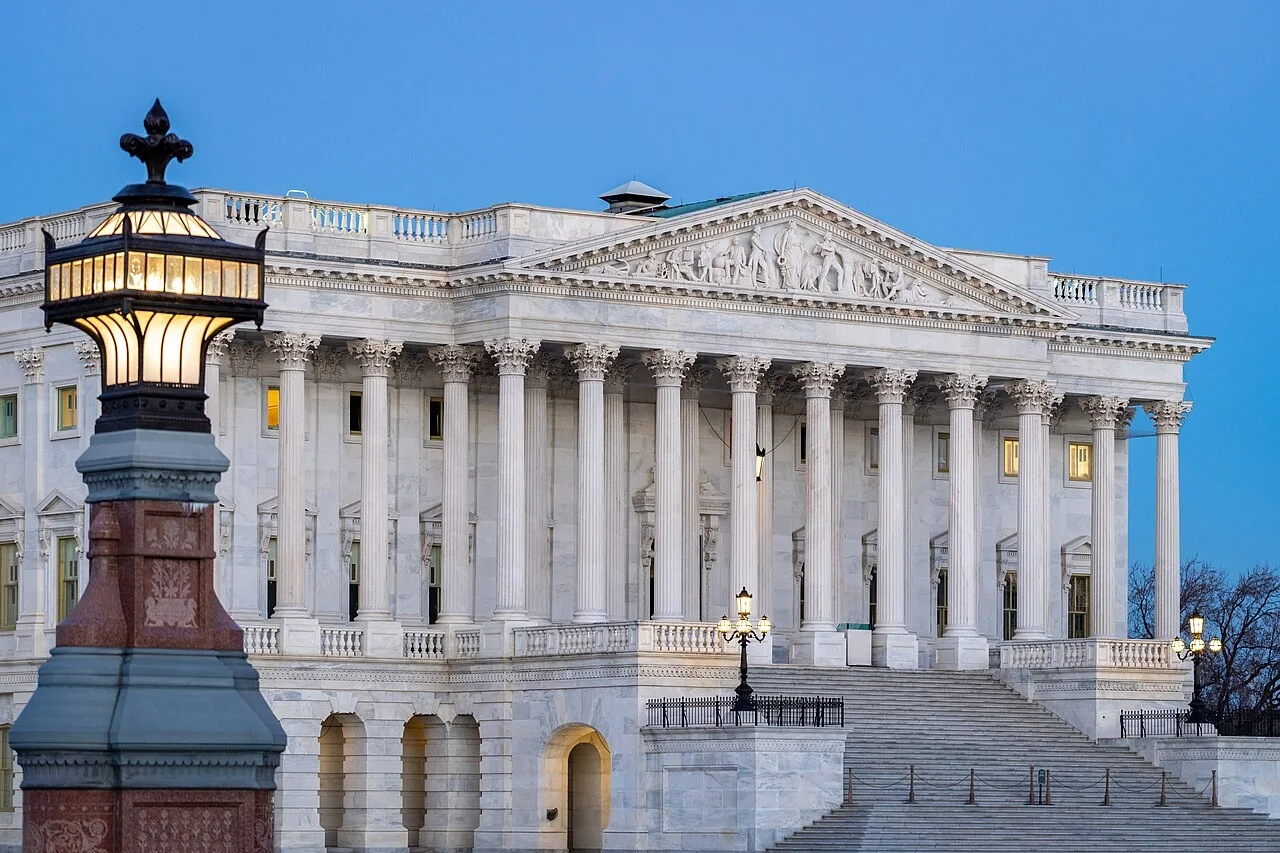
The Senate voted 62 to 33 on Thursday night to pass the Bipartisan American Affordability and Jobs Act of 2026, a permitting package meant to speed approval of power plants, transmission lines, pipelines and other big projects. According to the Senate press gallery's floor log, the roll call closed at 10:02 p.m. Eastern, or 7:02 p.m. Pacific.
That does not make it law yet. Senators moved the package by taking H.R. 2347, a bill the House had already passed on an unrelated tax matter, and replacing its text. The House now has to approve the Senate's version before it can go to President Trump, who urged senators on Nov. 8 to vote for it.
How the vote unfolded
The package is the work of the Republican chairs and top Democrats on the Senate's energy and environment committees: Mike Lee of Utah, Shelley Moore Capito of West Virginia, Martin Heinrich of New Mexico and Sheldon Whitehouse of Rhode Island. They introduced it on Sept. 30 and released a revised version on Nov. 7. On Wednesday the Senate adopted that revised text, amendment 6883, by 69 to 27, waived budget objections 70 to 26 and voted 65 to 31 to end debate, according to the Senate Democrats' floor summary. Final passage drew 62 votes, three fewer than the vote to end debate.
Minutes before the roll call began, Capito called up a bipartisan managers' amendment and Sen. Jeff Merkley of Oregon objected. The floor log shows no separate vote on it before passage.
What it would change for projects
Most of the bill deals with reviews and lawsuits. In the text senators adopted, published in the Congressional Record, a lawsuit claiming a federal environmental review was done improperly would be barred unless filed within 150 days after the project's approval was published or made public. FAST-41 projects, a federal program for large infrastructure, would see their challenge window cut from two years to 150 days.
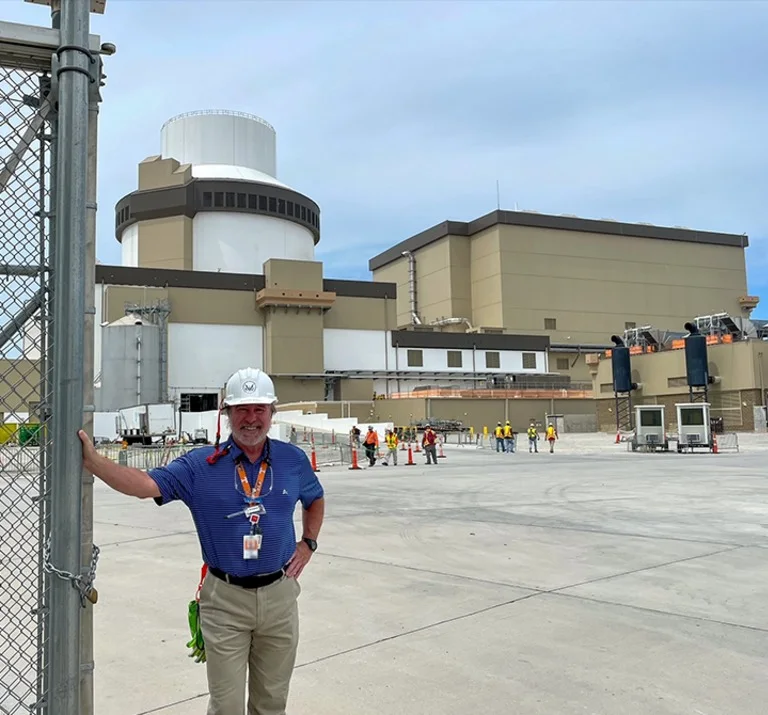
The bill would also let the Nuclear Regulatory Commission issue certain construction permits and operating licenses without a hearing if nobody asks for one, after 30 days' notice in the Federal Register. Today a hearing is required for a reactor construction permit even when no one contests it.
What it would mean for electric bills
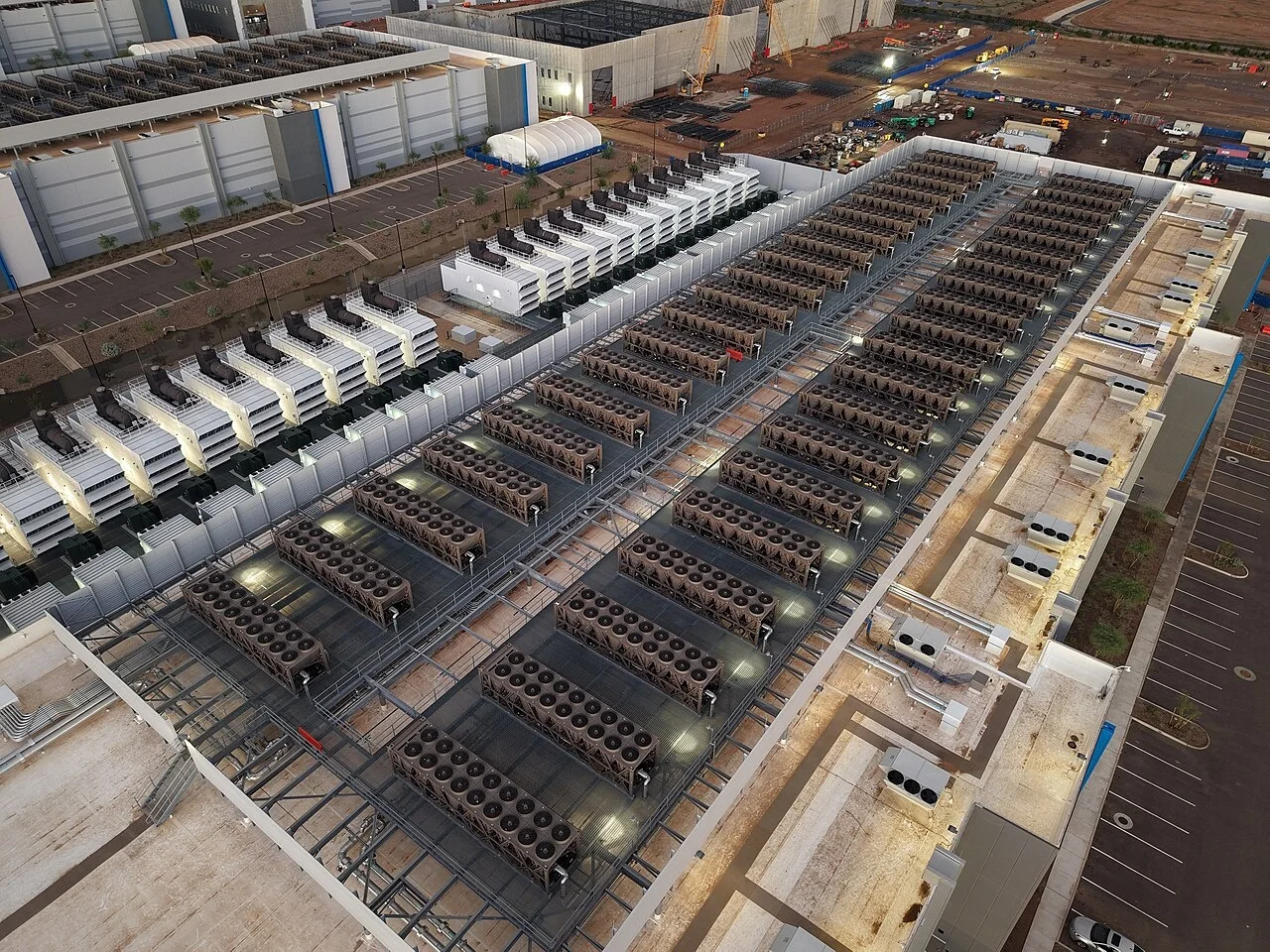
The ratepayer section declares it federal policy that owners and operators of data centers, including AI training sites and cryptocurrency mines, pay the full cost of the electric service they need and of the grid built to serve them, so other customers, including households, do not.
The Federal Energy Regulatory Commission would have 90 days after the law takes effect to rewrite its 1994 transmission pricing policy so these customers are charged the embedded cost of the grid plus a reasonable share of the added cost they cause. It would also have to propose a rule in that time, with a final rule due within a year of the proposal. Which data center customers qualify would be up to the commission.
That is a change from the bill as first introduced, which Edit USA described on Nov. 9. That version applied to sites using at least 20 megawatts and gave the commission 270 days.
The National Congress of American Indians said on Nov. 8 that the bill's historic preservation provisions still give agencies too much room to end reviews over tribal objections.