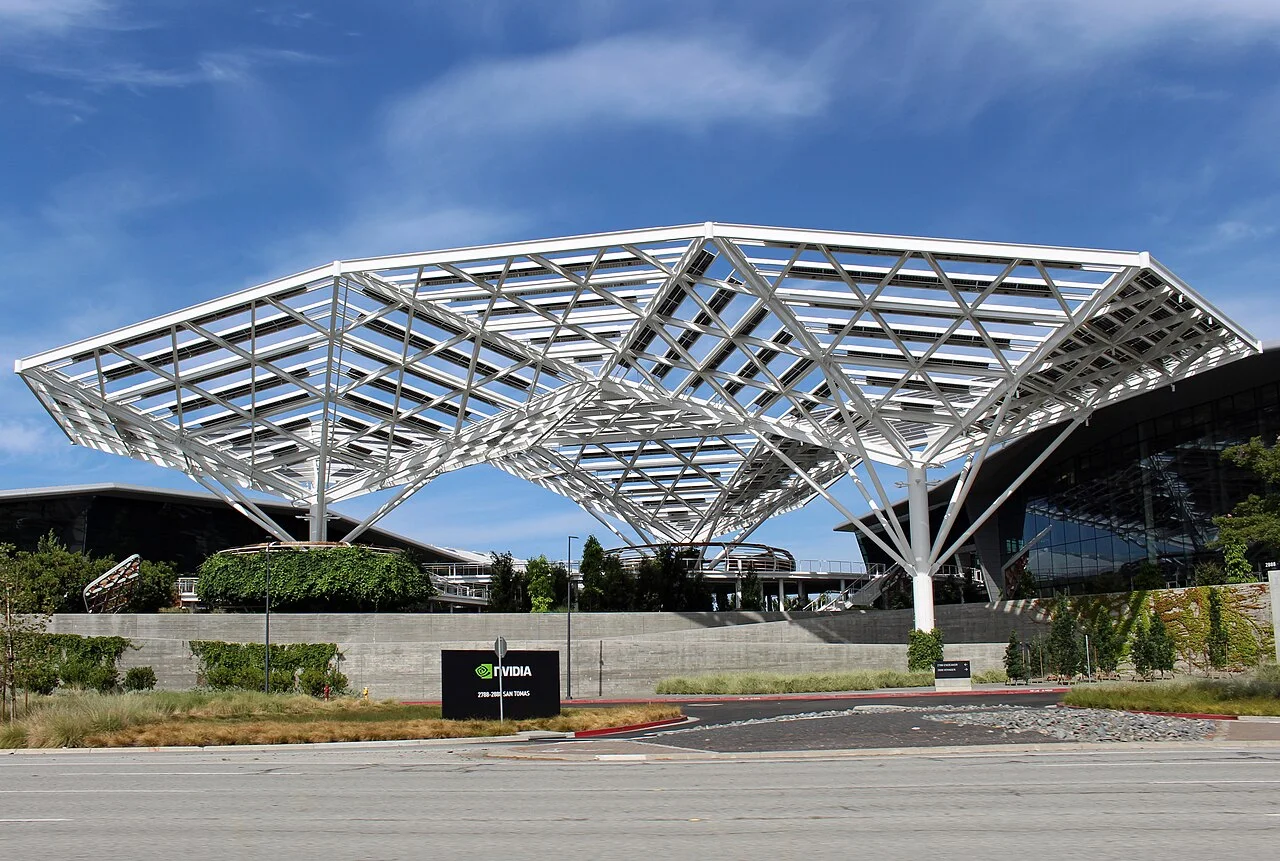
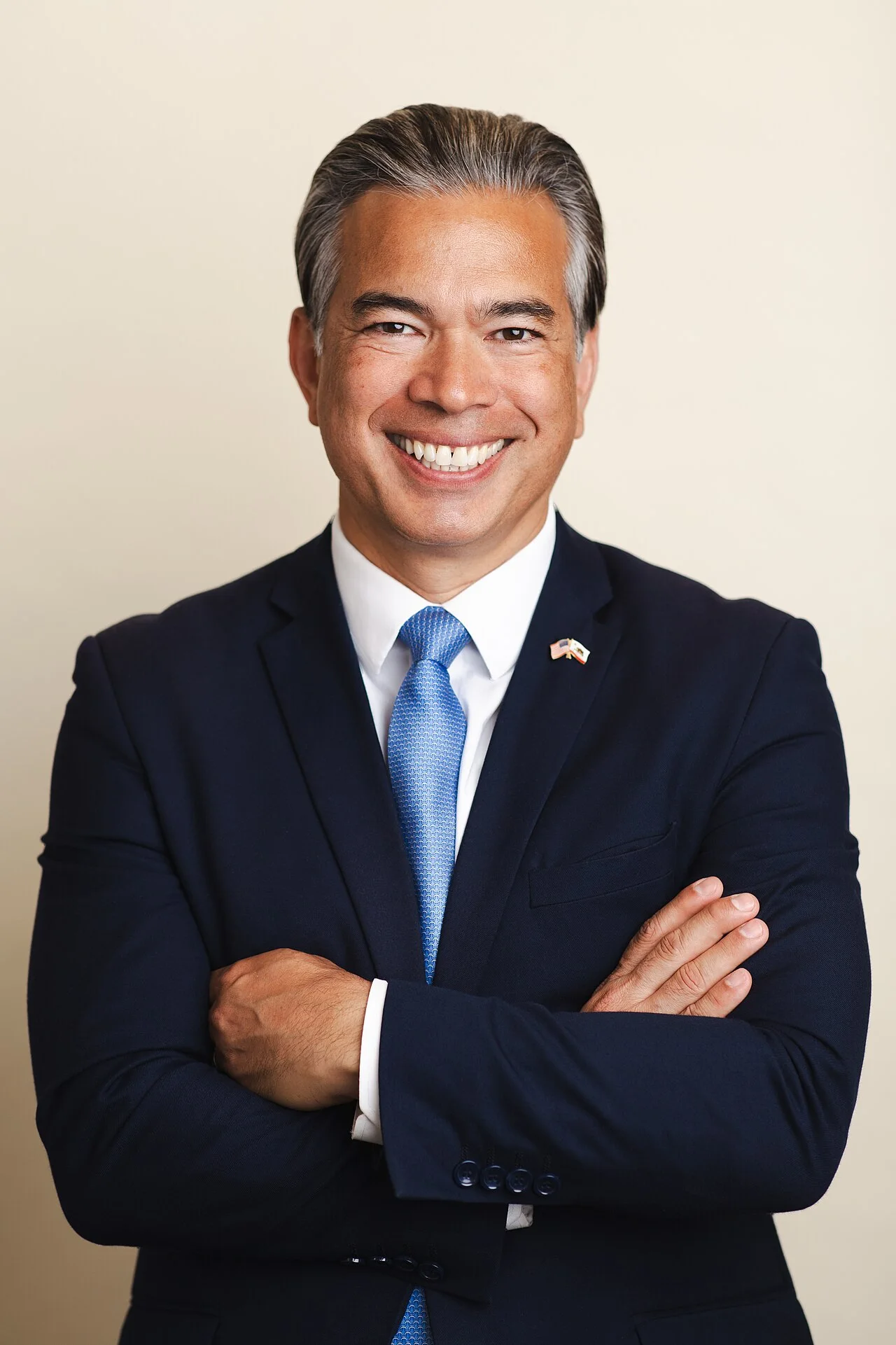
California Attorney General Rob Bonta served Nvidia with an investigative subpoena on Thursday, Nov. 19, opening a state inquiry into whether the chipmaker's advanced chips or confidential information reached China and whether the company gave investors and the public a misleading picture of that risk. The subpoena stems from former CEO Jensen Huang's affair with a person the state describes as an alleged Chinese spy, according to the attorney general's announcement.
"The conduct of Nvidia and its former CEO raises bright red flags, including about the ways in which the company may have misled investors," Bonta said. Calling Nvidia's position "a messy, transnational situation," he said the principle behind the state's corporate securities law is simple: "Companies cannot mislead their investors."
What happens next
The California Department of Justice said it will use what Nvidia hands over to decide whether the company or Huang broke California law. A subpoena demands documents and information. It carries no charge or finding of wrongdoing, and the announcement did not say which records the state requested or when Nvidia must respond.
Nvidia, based in Santa Clara, had not posted a response on its newsroom or in a securities filing by Thursday evening.
How the case got here
Edit USA reported on Nov. 8 that Nvidia's board had opened an investigation after Huang admitted an affair amid reports that he was a target of a foreign intelligence service. Huang then resigned as president, chief executive and board member on Nov. 11, according to Nvidia's filing with the Securities and Exchange Commission. Chief Financial Officer Colette Kress became interim CEO while the board searches for a permanent replacement, and Harvey Jones, a director since 1993, became board chair.
When Nvidia reported third-quarter results on Nov. 17, it listed among its forward-looking risks the leadership transition, the "ongoing investigation by an independent committee" of its board, and "government and regulatory inquiries." Its forecast for the current quarter assumes no data center computing revenue from China.
Congress is asking questions too. Huang and Nvidia's top lawyer have agreed to closed-door House interviews on Dec. 1 and Dec. 2, Edit USA reported on Nov. 17.