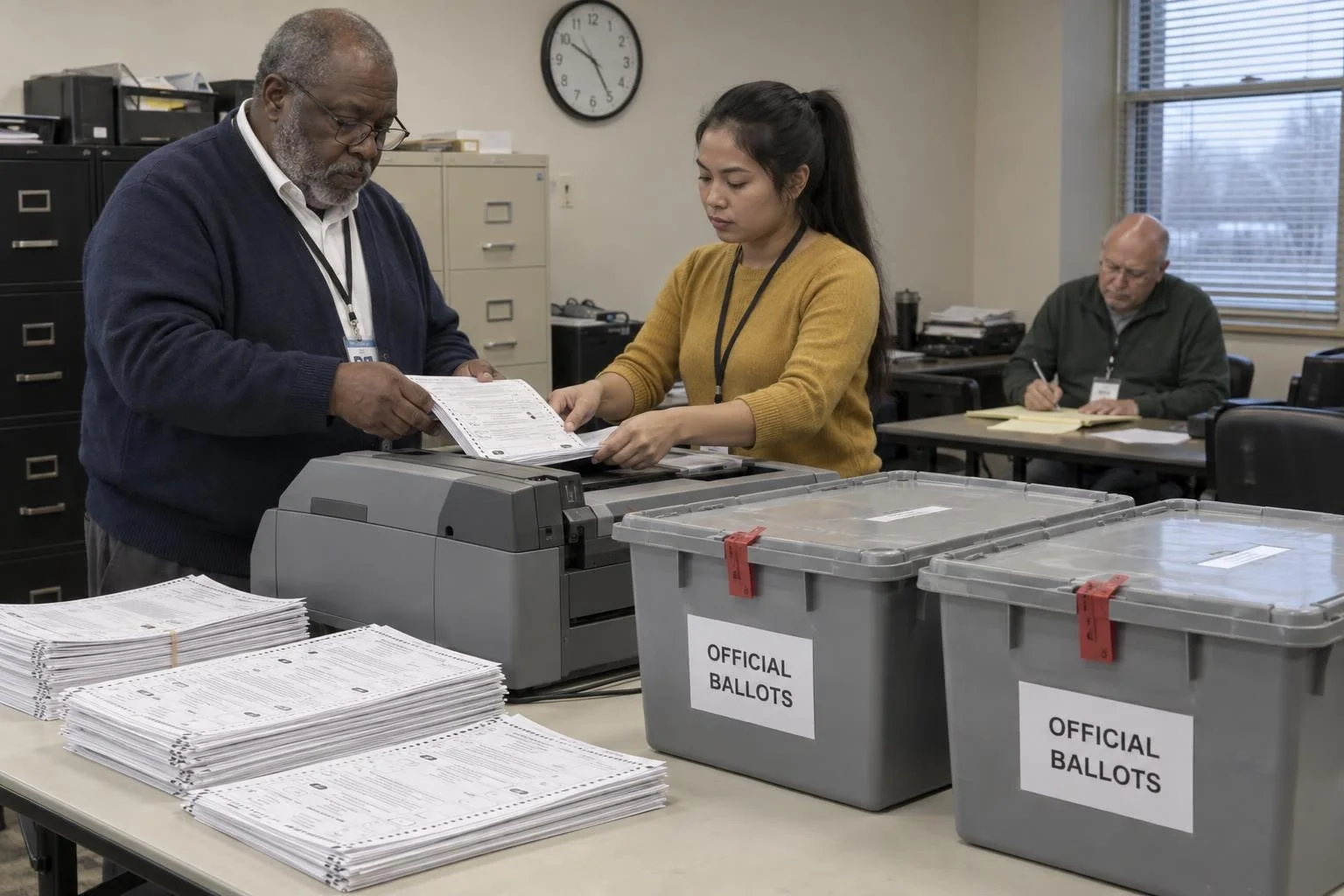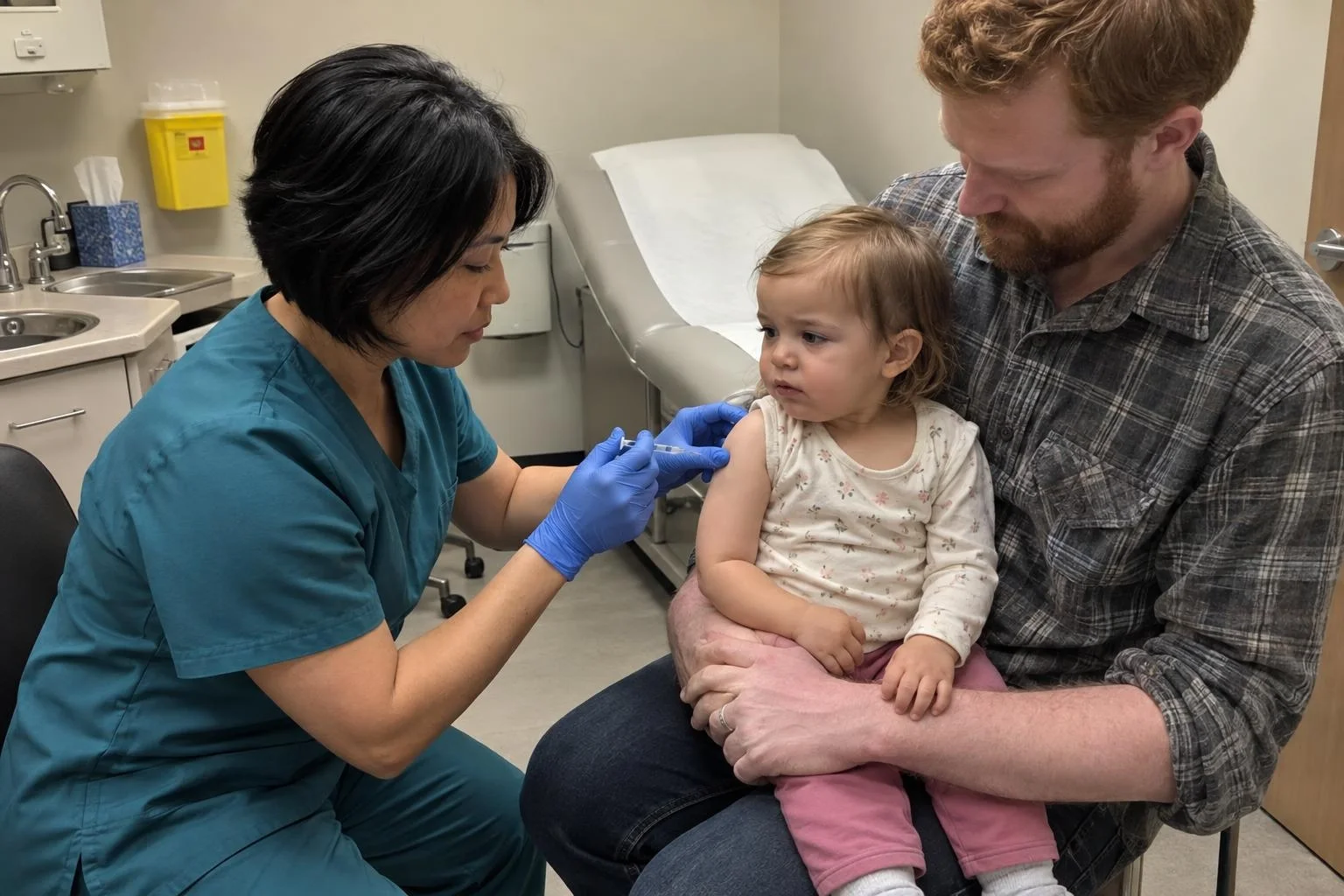

California's first two registered teacher apprenticeship programs have six trainees between them. Four are preparing for high school classrooms in the Hanford Joint Union High School District. Two in Morgan Hill are training to teach middle school special education. The state's Nov. 16 announcement gives prospective teachers a look at what the paid route involves, and where it is actually running.
The programs were registered in June. Both programs combine paid work under a mentor with coursework toward a California teaching credential. Apprentices help plan and deliver lessons, then take on more of the teaching as they progress.
Four apprentices in Hanford

The Tulare County Office of Education and Hanford Joint Union High School District worked with Fresno State and local education unions to develop the first program. The four apprentices are alumni of the Hanford district's high schools. Their training covers high school math, physical education and special education. A district employee interested in joining a later cohort can start with the county's California Center on Teaching Careers and ask which credential areas the partnership intends to offer next.
Two apprentices in Morgan Hill

The Santa Clara County Office of Education worked with Morgan Hill Unified School District, two local unions and Teachers College of San Joaquin. Both apprentices in that cohort are preparing for middle school special education. One told the governor's office she would work as a paraprofessional while earning her credential. The county office has a general inquiry form on its apprenticeship page. Its public site also lists early childhood apprenticeships, so ask specifically about the certificated teacher pathway in Morgan Hill.
The state identified the first six placements in Monday's announcement. It gave no application dates or wage rates for a further cohort. If you already work at a school, ask the sponsor whether a future placement can build on the job you have and which credential preparation program you would need to enter. The hours you would spend on paid work and the tuition you would owe are separate figures to ask for before comparing offers.
How the paid route compares with a stipend
California signed AB 1904 in September. The Department of Industrial Relations says the law sets a statewide framework for these programs, including at least 300 hours in the classroom under a teacher mentor. The Commission on Teacher Credentialing says an apprenticeship's related instruction must come from an approved teacher preparation program. The work and mentorship are part of preparing for the credential, and trainees still have to complete its requirements.
California also has a $10,000 student-teacher stipend for eligible candidates completing at least 500 hours of clinical practice. A participating school district, county office or college applies on the candidate's behalf. The commission's updated eligibility guidance excludes candidates who are already earning a salary as a full-time teacher of record during their student teaching.
An intern credential program puts the candidate in charge of a classroom earlier. The commission lists 120 hours of preparation before an intern can serve as the teacher of record, and employers pay a teacher's salary while the intern finishes coursework. For candidates who want more time working beside a mentor before taking charge, the apprenticeship's 300-hour classroom requirement gives a concrete point of comparison.
If you're weighing routes, ask the credential program whether your proposed placement qualifies for the stipend before you budget around it. If your local district has no apprentice opening in your subject, the commission's pathway comparison shows other ways to train, including residencies, internships and traditional student teaching. For each option, find out who pays you, when that money starts and which coursework costs you would still have to cover.