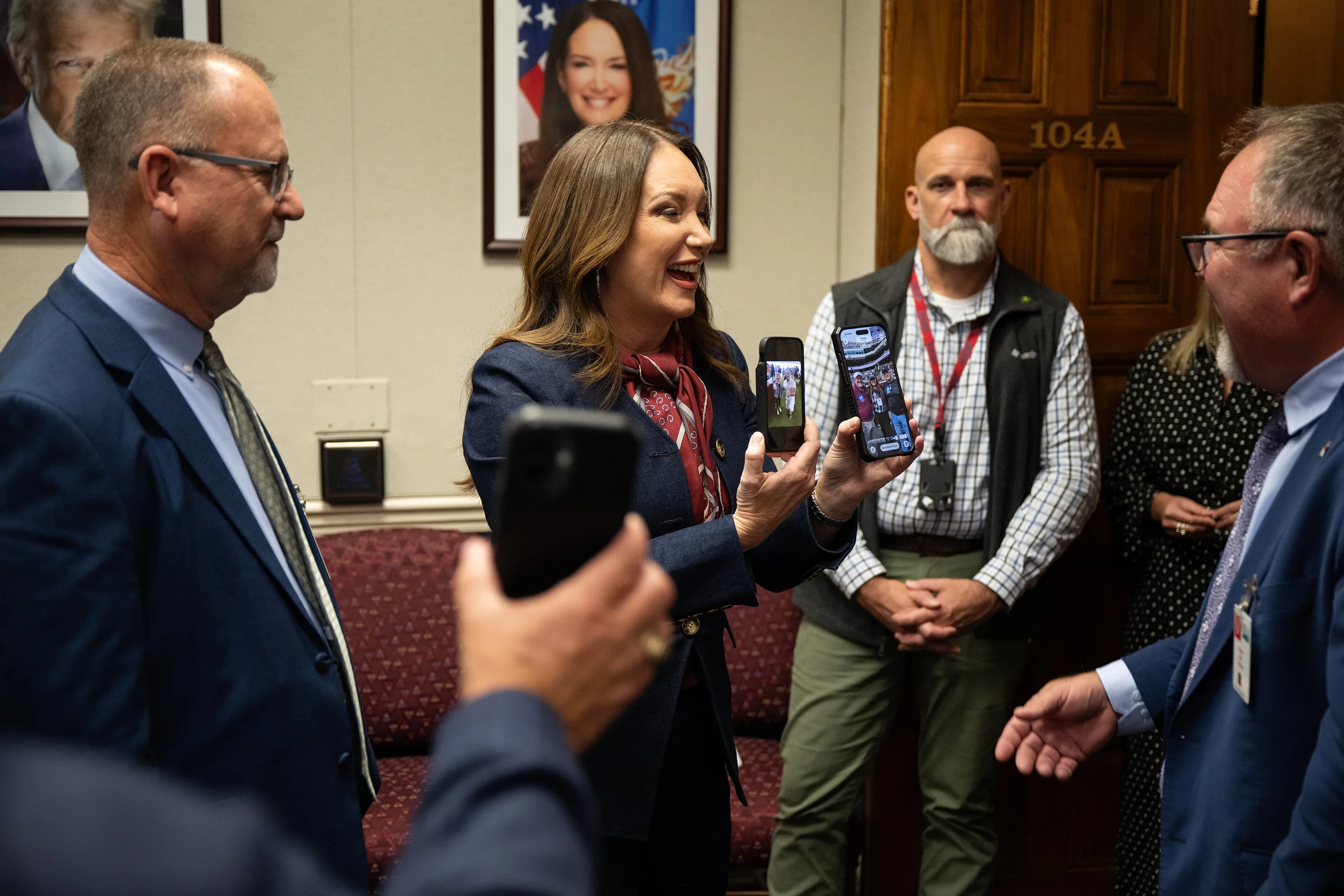
A federal judge on Thursday restricted Agriculture Secretary Brooke Rollins' use of official email to send Christian messages to USDA employees, finding that the messages placed unconstitutional pressure on staff to conform to her beliefs.
U.S. District Judge Trina L. Thompson granted a preliminary injunction on the employees' First Amendment claim. Her Nov. 19 order requires Rollins to follow boundaries in USDA's own religious-expression policy, including stopping when a colleague asks and avoiding the use of official authority to pressure subordinates.
The 21-page ruling leaves room for voluntary religious conversations and says nothing about what Rollins may do in her personal capacity. It also dismisses the employees' separate Administrative Procedure Act claims. The constitutional case continues.
Why the official email account mattered

The lawsuit, filed May 13 by the National Federation of Federal Employees and six individual plaintiffs, challenged messages sent to a workforce of approximately 100,000. The union represents more than 19,000 USDA employees, according to the order.
Thompson focused on three features of the communications: Rollins' authority over the agency, her use of the official account to reach all employees, and language that treated recipients as sharing her Christian faith.
The order singles out a Dec. 23, 2025 Christmas message and an April 5, 2026 Easter email. The Easter message described Jesus' resurrection as the foundation of a shared faith and compared USDA employees to the first disciples. Those descriptions went beyond general holiday wishes, the judge concluded.
The government argued that recipients could choose not to read the emails. Thompson rejected that argument because the same account carries consequential workplace information, including reorganization, relocation and shutdown plans. Even holiday messages have included administrative-leave announcements.
Employees also lacked an opt-out opportunity. The judge said the record showed pressure could exist without an explicit threat to punish someone for disagreeing or a statement that employment decisions would depend on religious belief.
Religious conversations remain protected
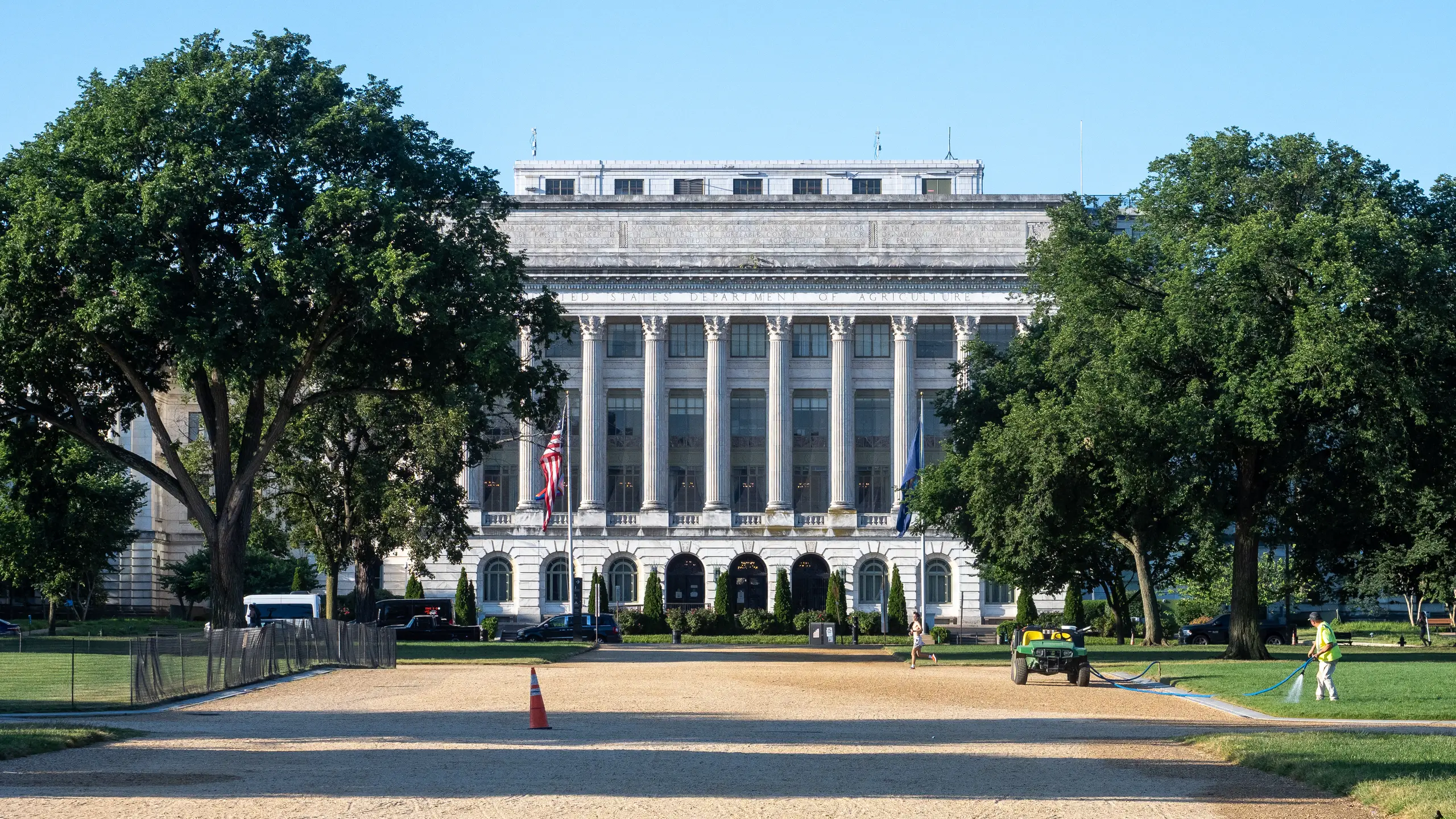
The injunction draws its boundaries from USDA Secretary's Memorandum 1078-019, issued in November 2025. That policy permits employees to discuss beliefs with interested colleagues, explain why their faith matters to them and politely invite coworkers to religious services or events.
Those permissions appear in Thursday's order alongside the limits. Rollins must stop when asked, must avoid persistent unwelcome advances that create a hostile work environment, and cannot use official authority to pressure subordinates.
The policy also permits religious books and symbols in workspaces and prayer or study groups during non-official time, subject to workplace rules. It tells supervisors to protect private religious expression on the same terms as comparable nonreligious expression. A complaint alone does not invalidate an employee's rights; managers must distinguish discomfort from harassment.
That policy followed OPM's July 2025 guidance directing agencies to protect employees' personal religious expression unless it imposes an undue hardship on operations. The USDA ruling addresses Rollins' official messages and the pressure they placed on subordinates. It leaves voluntary exchanges between interested coworkers available under the agency's policy.
Why the injunction reaches other employees
The order explains why its protection extends beyond the people who sued. With no opt-out mechanism, preventing the named plaintiffs from receiving unconstitutional messages also prevents other employees from receiving those same messages.
Thompson tied that reach to the relief needed for these plaintiffs. The ruling concerns the secretary's use of her official platform at USDA; it does not create a government-wide ban on religious references or decide every workplace religious-expression dispute.
What remains in court
A preliminary injunction provides relief while litigation continues. It reflects the judge's finding that the plaintiffs showed likely success on their constitutional claim and satisfied the other requirements for temporary relief, rather than a final judgment after trial.
The APA claims failed for a separate reason: the emails did not constitute final agency action under that statute. Dismissing those claims did not dispose of the First Amendment claim or prevent the injunction.
Thompson denied the government's request to dismiss the constitutional claim and scheduled the next case-management conference for Dec. 17. A joint case-management statement is due Dec. 10.