
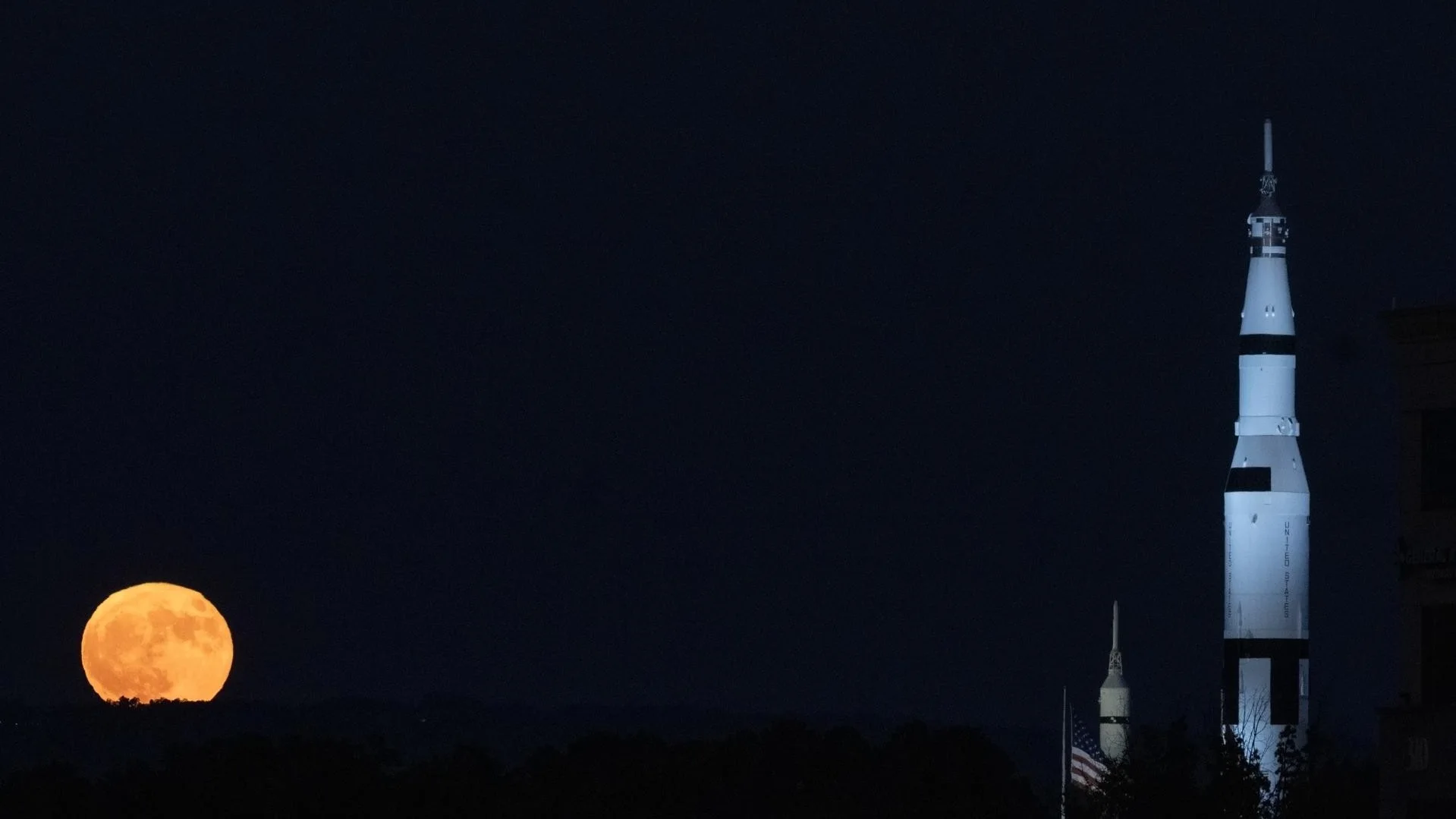
The Moon rising Monday evening is about 99% lit and will look full to most people, but it does not turn officially full until Tuesday, Nov. 24, at 9:53 a.m. Eastern (6:53 a.m. Pacific). That full Moon is a supermoon, the first of three in a row, and NASA's November skywatching guide says to look east around sunset to watch it rise.
Before dawn on Tuesday, the Moon also slides across the Pleiades, the small star cluster known as the Seven Sisters. From much of the central and western U.S., it covers a few of the cluster's stars for a while.
Moonrise comes before or close to sunset on both evenings, so the best view is low in the east as the sky darkens. The times below come from Edit USA calculations with NASA's JPL planetary ephemeris. They are for city centers. Moonrise where you live can differ by a few minutes, and hills or buildings will hide the Moon for a while after it rises.
| City | Moonrise Monday, Nov. 23 | Moonrise Tuesday, Nov. 24 |
|---|---|---|
| New York | 3:30 p.m. | 4:17 p.m. |
| Miami | 4:35 p.m. | 5:29 p.m. |
| Chicago | 3:22 p.m. | 4:09 p.m. |
| Denver | 3:41 p.m. | 4:29 p.m. |
| Los Angeles | 3:52 p.m. | 4:44 p.m. |
| Seattle | 3:23 p.m. | 4:06 p.m. |
The Moon near the horizon can look huge, but NASA says that is an illusion that happens with every full Moon, and the real size difference of a supermoon is subtle.
The Pleiades before dawn Tuesday
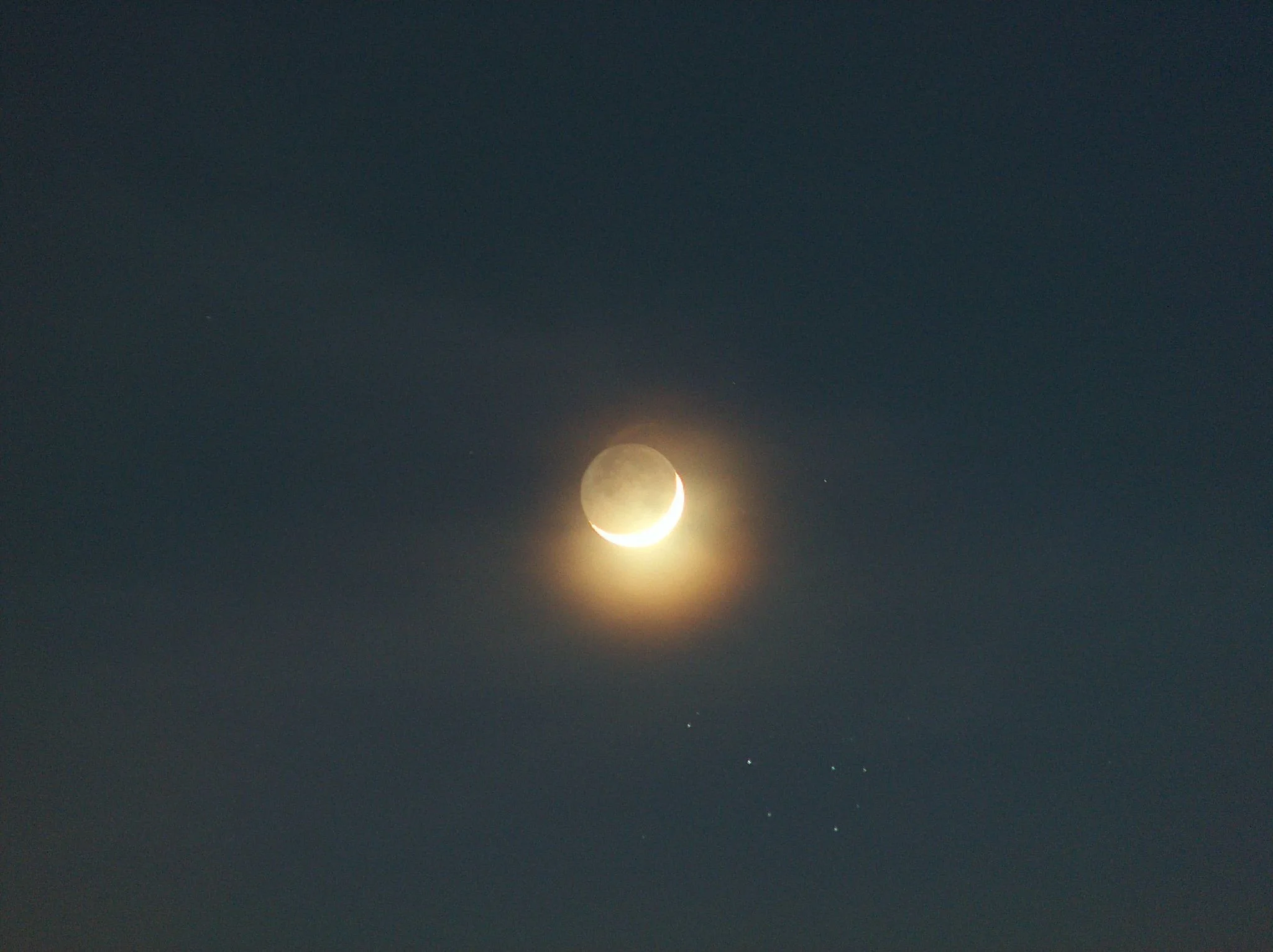
Early Tuesday, the Moon moves across the northern half of the Pleiades in the western sky. In the Pacific Northwest it covers some of the cluster's stars, including Taygeta and Maia, between about 3:45 and 5 a.m. local time. In the Mountain West that happens between about 5 and 6 a.m., and in Chicago it starts shortly before 6 a.m. From Southern California and Arizona the Moon clips the cluster's northern edge and covers one star, Taygeta, for a while.
On the East Coast the Moon sets around 7 a.m., before its closest approach, so from there it appears just beside the cluster. Wherever you are, the stars look faint next to a nearly full Moon. Binoculars help.
Three supermoons in a row
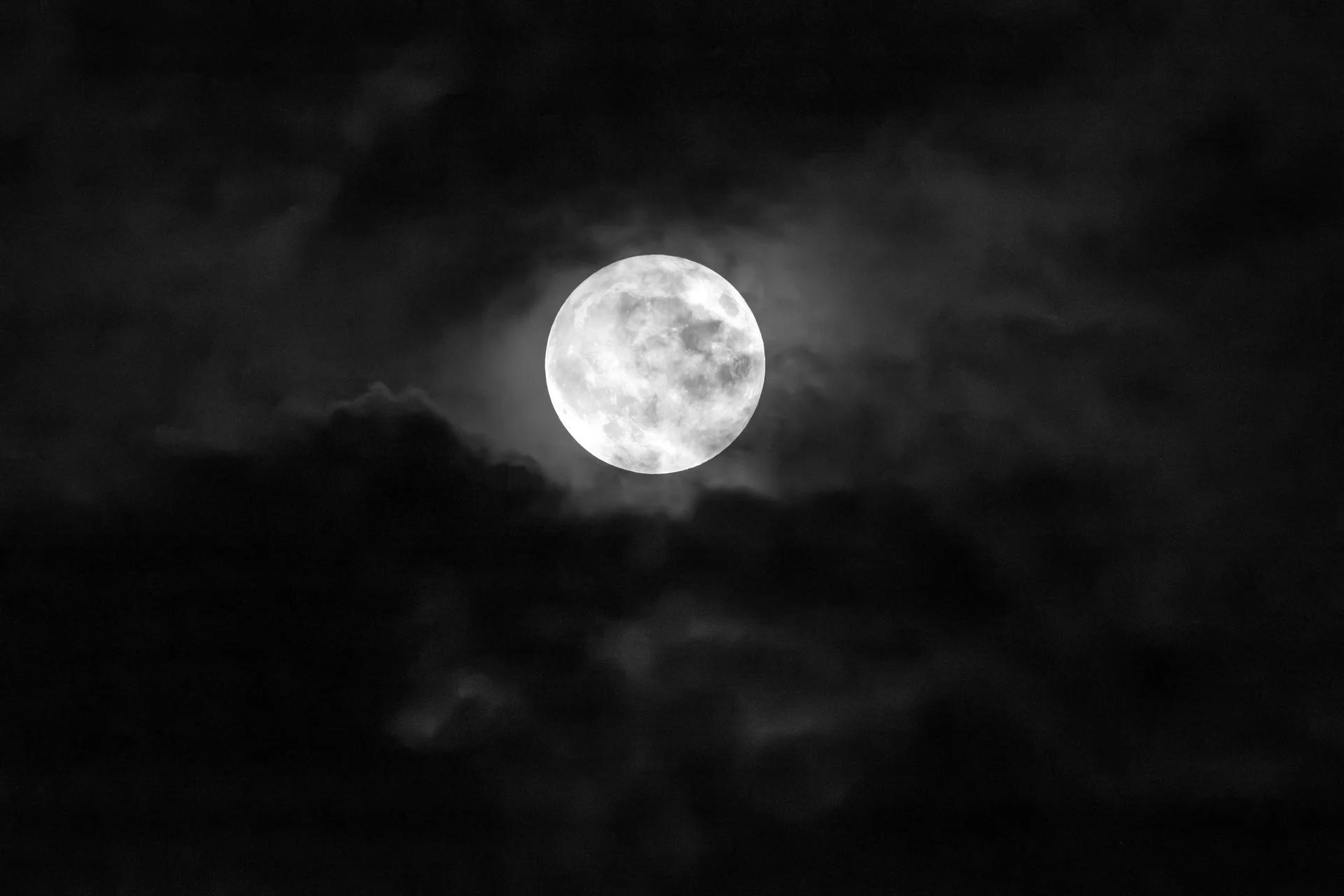
NASA's hourly Moon data for 2026 puts Tuesday's full Moon about 224,100 miles from Earth. The most distant full Moon of the year, on May 31, was about 252,400 miles away. Tuesday's will look roughly 13% wider. December's full Moon comes even closer, at about 221,700 miles, the nearest full Moon of 2026.
That one turns full at 8:28 p.m. Eastern on Wednesday, Dec. 23, which is already Dec. 24 in universal time. The third supermoon in NASA's run is January's full Moon, on Jan. 22.
Edit USA's November night sky guide has the month's other events.