

The Food and Drug Administration on Monday approved Wilserdly, a once-daily pill from Genentech, for adults with the most common type of early-stage breast cancer. Patients take it after surgery. It is meant to lower the chance that the cancer returns. The agency called it the first new hormone therapy for early-stage breast cancer in more than 20 years.
The approval covers estrogen receptor-positive, HER2-negative cancer at stages I, II or III with an intermediate to high risk of recurrence. About 70% of breast cancers fall into that subtype, according to the FDA, which expects about 321,910 new cases in women and 2,670 in men this year.
The drug, known by its generic name giredestrant, is the same medicine the FDA cleared on Nov. 16 for some advanced cancers with an ESR1 mutation, in combination with everolimus, as Edit USA reported then. Monday's decision lets doctors use it on its own much earlier, right after surgery.
What the trial found

The approval rests on the lidERA trial, which enrolled 4,170 adults starting in August 2021, according to its federal trial registration. Patients were randomly assigned to giredestrant or to the standard after-surgery pills, either tamoxifen or an aromatase inhibitor such as anastrozole, letrozole or exemestane, for up to five years, and because the study was open label, patients and their doctors knew which of the two treatments each person was getting.
Giredestrant cut the risk of invasive cancer returning or death by 30%. During follow-up, 140 patients on the new drug had such an event, compared with 196 on standard therapy. At three years, 92.4% of patients taking giredestrant were alive without invasive breast cancer, compared with 89.6% on standard hormone therapy. By the FDA's count, that is about 28 more people per 1,000. Patients on the new drug were also less likely to have cancer return elsewhere in the body.
Survival data are not in yet. Genentech, part of Roche, agreed to give the FDA those results later as a postmarketing commitment.
How it works and the side effects
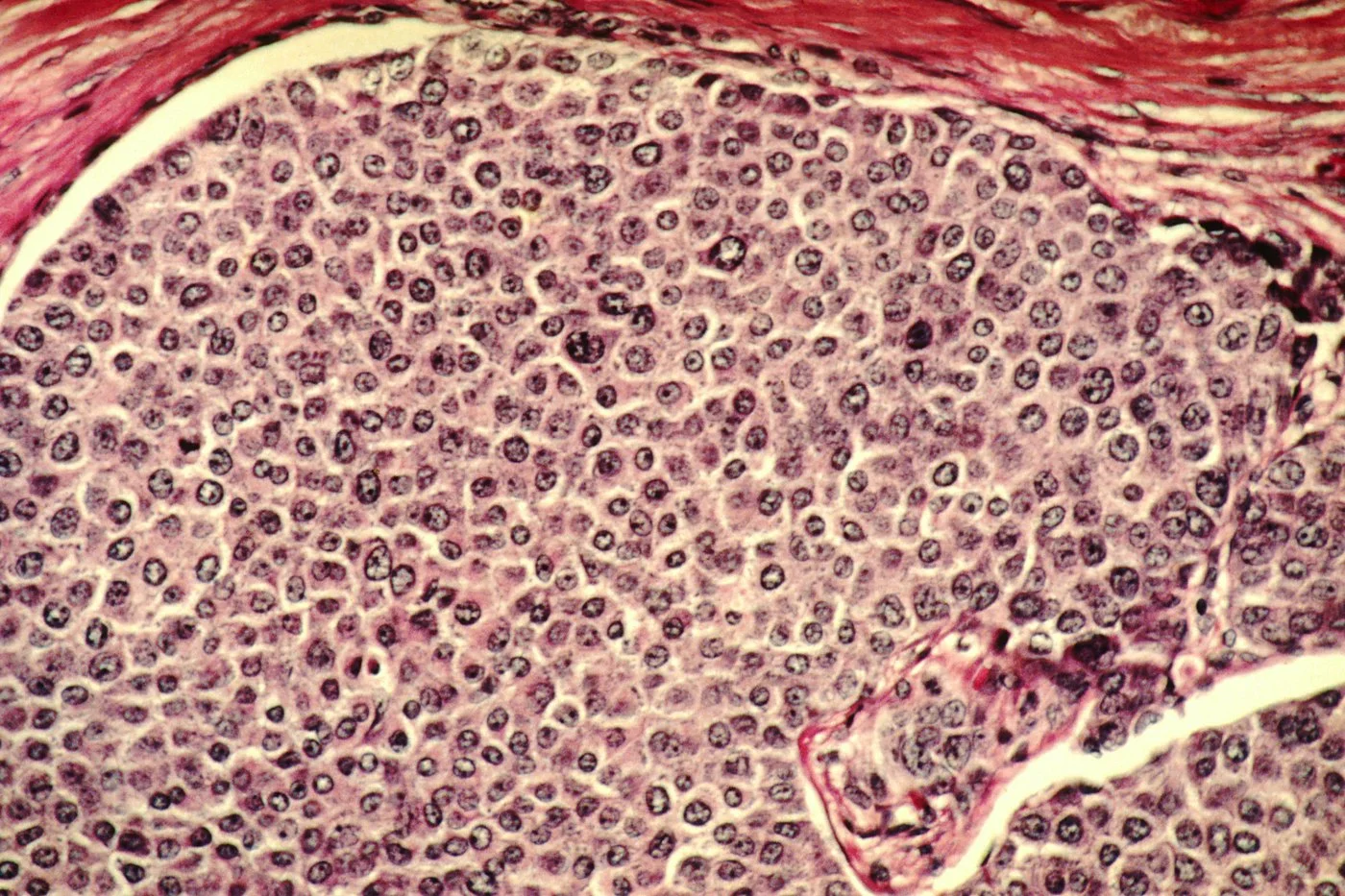
Giredestrant is an oral estrogen receptor antagonist. In this kind of breast cancer, estrogen attaches to receptors on cancer cells and tells them to grow, and the drug both blocks those receptors and breaks them down. The most common side effects, seen in at least 10% of patients, were muscle and joint pain, hot flashes, tiredness, headache, nausea, a slower heart rate, dizziness and numbness or tingling in the hands and feet. Blood tests can show higher liver enzymes, lower blood counts, high blood fats and changes in mineral levels and kidney results. It can harm a developing baby.
Women who have not gone through menopause should also take a medicine that suppresses their own hormones, the FDA said. The trial's registration lists that kind of drug, an LHRH agonist, in both groups. Men may take the drug too, at their doctor's discretion.
The FDA did not list a price. Nor did it say when pharmacies will stock the drug for this use. Patients already on tamoxifen or an aromatase inhibitor after surgery can ask their oncologist whether their risk of recurrence falls in the intermediate to high range the approval covers.