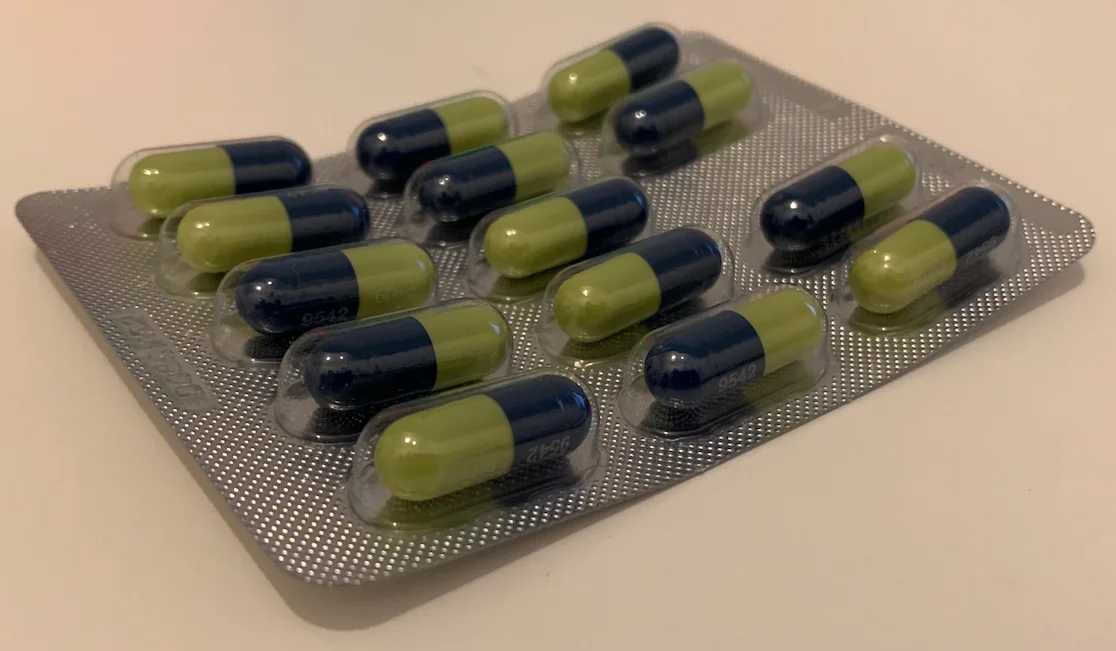
A daily pill paired with standard chemotherapy shrank or cleared tumors in 60.7% of people with previously untreated metastatic pancreatic cancer in an early study, and the disease stopped growing in 90.2% of them. The drug is Revolution Medicines' daraxonrasib, approved in the United States under the brand name RASONQUE. Researchers presented the results on Friday, Nov. 20, at the EORTC-NCI-AACR cancer symposium in Barcelona, according to a release from the European Organisation for Research and Treatment of Cancer, one of the symposium's organizers.
The pill is not new to American patients. The Food and Drug Administration approved RASONQUE on Aug. 26, but only for people whose cancer has already been treated or who cannot handle multi-drug chemotherapy, while Friday's numbers come from patients getting it as their first treatment, a use the FDA has not approved.
The National Cancer Institute's SEER program projects 67,530 new cases and 52,740 deaths in 2026, or 8.4% of all cancer deaths.
What the new first-line results show
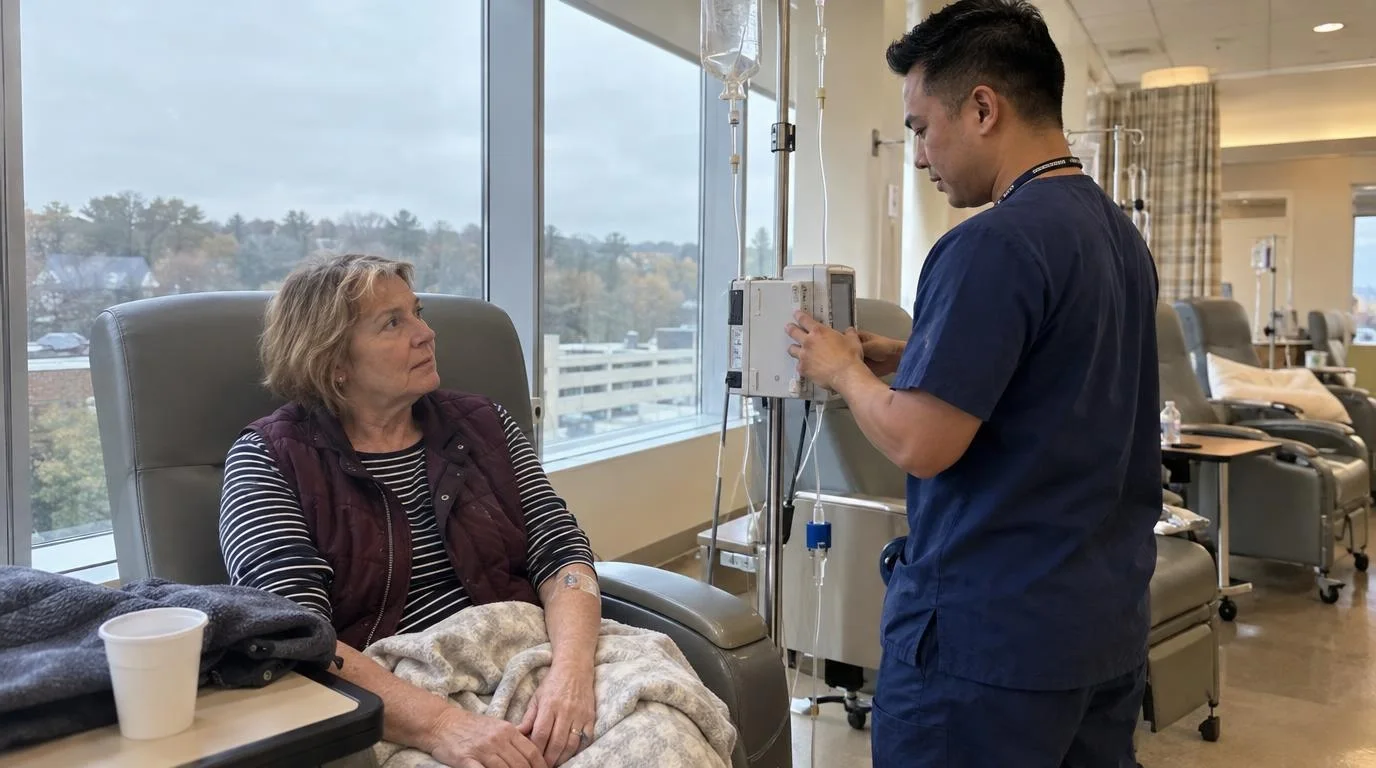
The phase 1/2 study, called RMC-GI-102, gave 61 people with untreated metastatic pancreatic cancer 200 mg of daraxonrasib once a day plus the chemotherapy drugs gemcitabine and nab-paclitaxel by IV on days 1 and 15 of each treatment cycle. After a median follow-up of 18.3 months:
| Measure | Daraxonrasib plus chemotherapy |
|---|---|
| Tumors shrank or disappeared | 60.7% |
| Tumors disappeared completely | 8.2% |
| Disease stopped growing | 90.2% |
| Median time before the cancer grew again | 12.8 months |
| Alive at one year | 76.6% |
The "90%" figure is the disease control rate, which counts patients whose tumors stopped growing as well as those whose tumors shrank. Chemotherapy alone shrinks tumors in 23% to 42% of patients, and people treated with it have historically lived a median of 8.5 to 11.1 months, according to the researchers.
"By combining daraxonrasib with chemotherapy, we are seeing remarkably deep tumour responses in a substantial proportion of patients, together with durable disease control," said Dr. Wungki Park, a gastrointestinal oncologist at Memorial Sloan Kettering Cancer Center in New York, who presented the data.
Park also urged caution. "This is an early-phase study, and the results must be interpreted carefully because patients were not compared with patients receiving chemotherapy alone," he said. The study did not report a median overall survival.
Who can get the pill in the US now
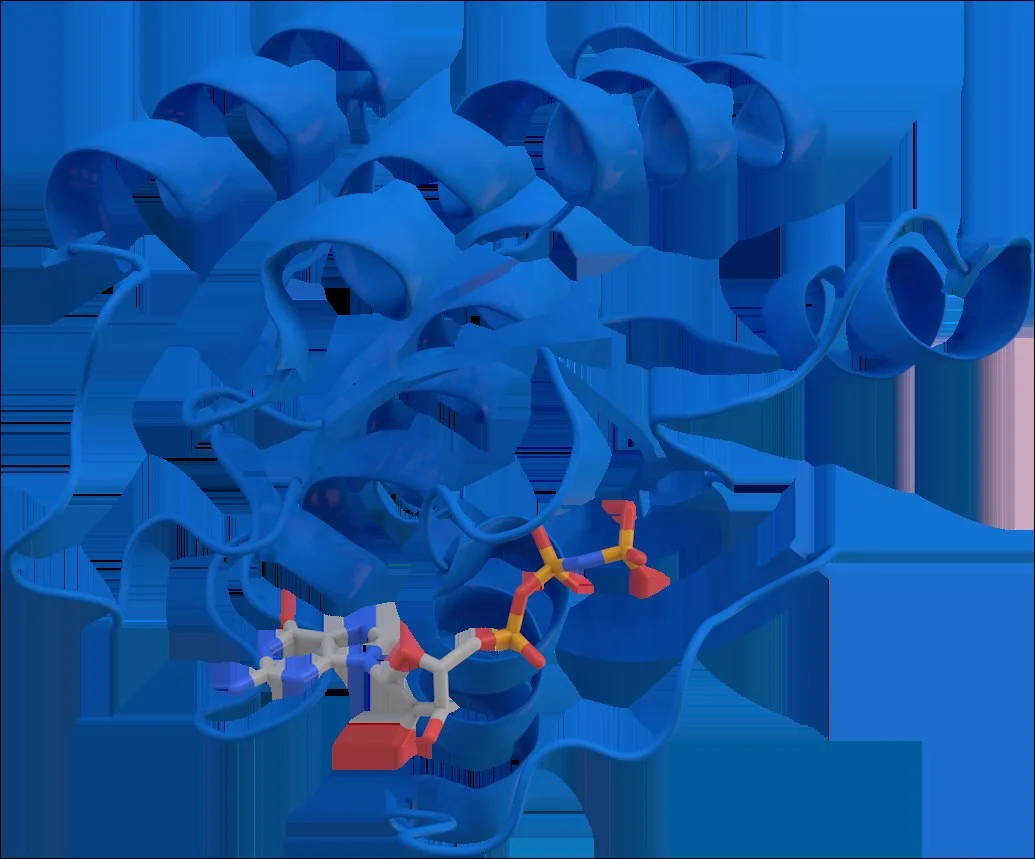
The FDA cleared RASONQUE under priority review for adults with metastatic pancreatic adenocarcinoma who have had at least one earlier systemic treatment or are not candidates for multi-drug chemotherapy. The dose on the prescribing information is 300 mg a day. It is taken by itself, without chemotherapy.
That approval rests on a randomized trial of 500 patients whose cancer had grown after one prior treatment. People taking the pill lived a median of 13.2 months, against 6.7 months on standard chemotherapy, and their tumors shrank in 30% of cases versus 11%.
As a first treatment, the combination remains experimental. The phase 3 RASolute 303 trial is comparing the pill alone, the pill with gemcitabine and nab-paclitaxel, and chemotherapy alone in about 900 patients. Enrollment began in March. The trial is recruiting at 106 sites, 21 of them in the United States, and the trial registry lists an estimated primary completion date of April 2028.
Side effects to know about
In the first-line study, the most common side effects were rash, diarrhea, fatigue and the drops in blood counts typical of chemotherapy. Five percent of patients stopped treatment because of side effects from daraxonrasib.
Skin reactions are the first warning on the FDA label, and doctors are told to start patients on a steroid cream and moisturizer, plus sun protection, from the first day to head off rash. The label also warns of mouth sores and diarrhea, and of tears in the stomach or intestine. It lists nausea, vomiting, fatigue, abdominal pain, swelling, loss of appetite and bleeding among the side effects seen in at least 20% of patients in the approval trial.
People with pancreatic cancer who want to know whether the pill or the phase 3 trial fits their situation can ask their oncologist and search the trial's listing on ClinicalTrials.gov for nearby sites.