President Donald Trump has named Kirsten A. Davies, the Pentagon's chief information officer, to lead the White House Office of the National Cyber Director, the White House said Friday, Nov. 20. Trump made the choice on Thursday.
Davies would take over from Sean Cairncross, a former chief executive of the Millennium Challenge Corporation whom the Senate confirmed as national cyber director on Aug. 2, 2025. The White House release does not mention Cairncross or give a reason for the change.
The job needs the Senate's approval.
According to the office's own description, the national cyber director is appointed by the president "by and with the advice and consent of" the Senate. The release does not say when a nomination will go to the Senate or who will run the office in the meantime.
Who Davies is and what the job covers
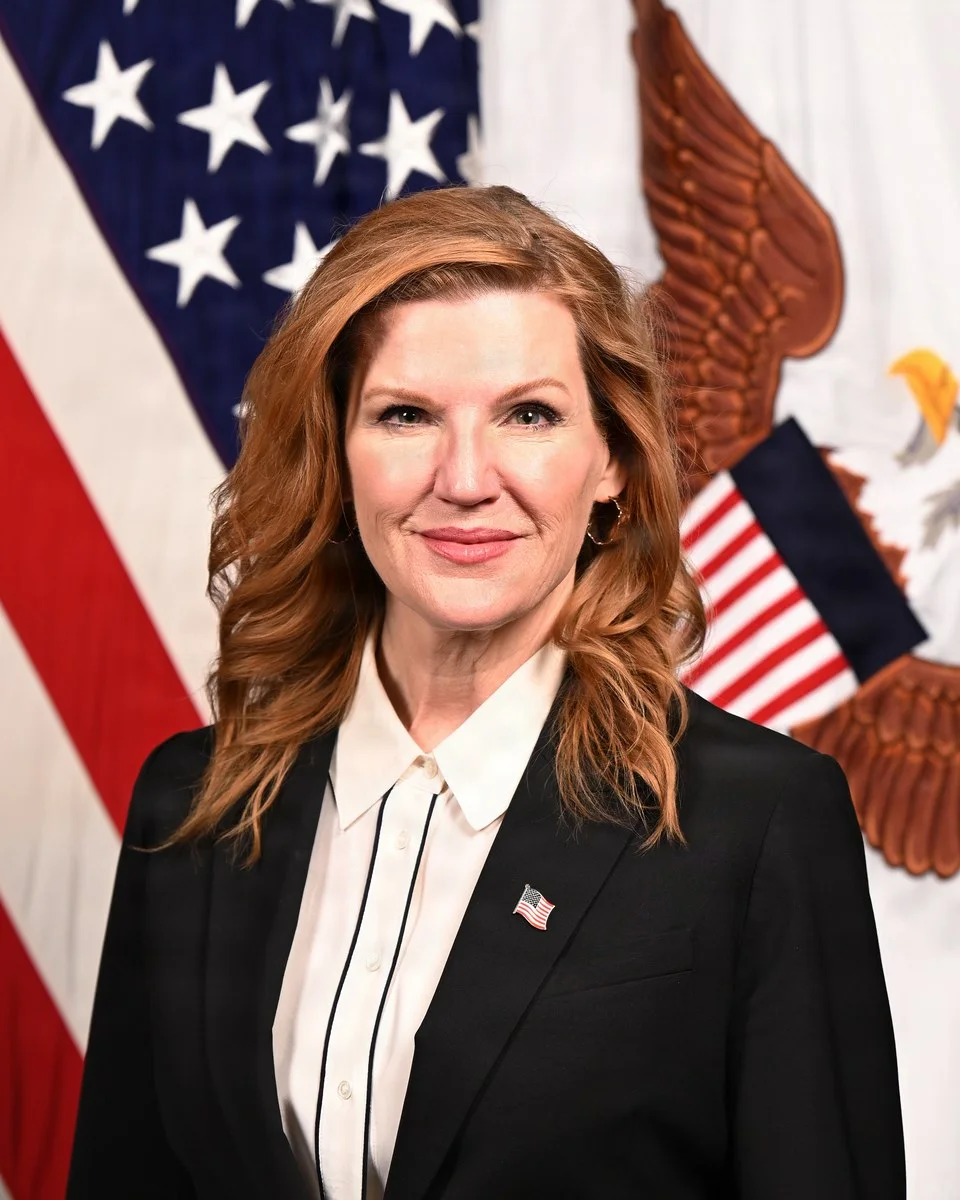
The White House calls Davies "a battle-tested cyber leader" and says she will drive "an America First cyber strategy that treats cybersecurity as national security." She is the chief information officer of the Department of War, the name the administration uses for the Defense Department. Director of National Intelligence Jay Clayton credited her with "nearly two decades of leadership experience in the technology space," and Secretary of War Pete Hegseth said she "has proven herself to be a dedicated patriot and professional."
Congress created the office in the defense authorization law for fiscal 2021. Its director is the president's main adviser on cyber policy, coordinates national cyber strategy across federal agencies and checks whether those plans work and what they cost. The release also lists what the administration counts as its cyber record. That includes a six-pillar Cyber Strategy for America, a requirement for post-quantum encryption on high-value federal systems by 2030, and charges against 12 Chinese contract hackers and law enforcement officers.
A week of outages
The change follows a run of outages at banks, apps and the Federal Aviation Administration.
The administration has said they were not attacks. "This is not a cyberattack, and this is not a coordinated effort by a nation state," Clayton said in remarks the White House published. He and Marco Rubio described separate incidents caused by companies patching vulnerabilities and upgrading older systems.
"We have no indication, no evidence, and no reason to believe at all that any of these incidents are related to each other," Rubio said. Officials gave Congress the same assessment, as Edit USA reported on Nov. 18. The Davies announcement does not link her selection to the outages.