
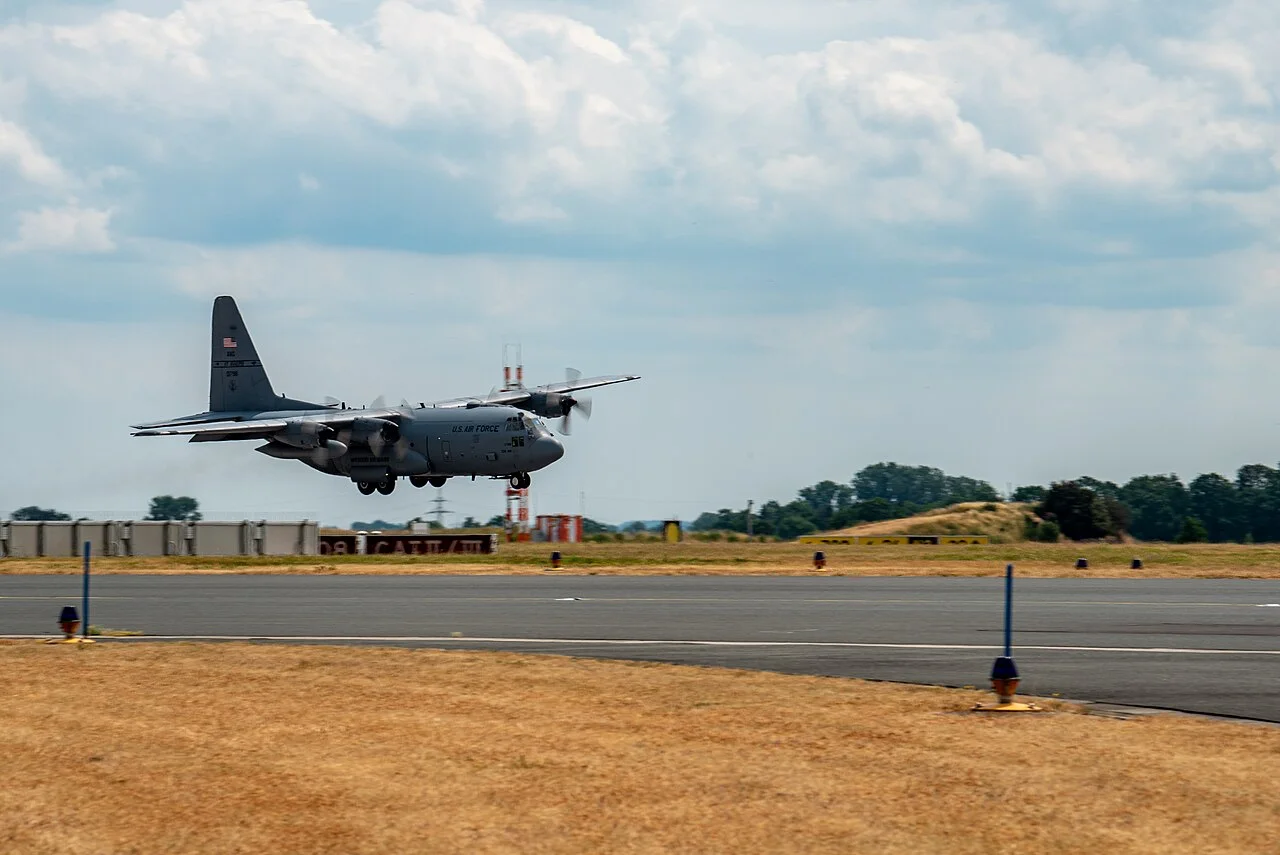
Federal prosecutors in Manhattan have charged an Irish man with breaking into a U.S. Air National Guard C-130H cargo plane at Shannon Airport in Ireland and damaging it so badly that it will never fly again. The aircraft was worth about $60 million, according to the U.S. Attorney's Office for the Southern District of New York.
The indictment charges Daithi O'Corrain, 48, also known as David Curran, with one count of destroying government property. The office announced the charge on Tuesday, Nov. 17. It is only an accusation, and O'Corrain is presumed innocent unless proven guilty.
What the indictment says happened
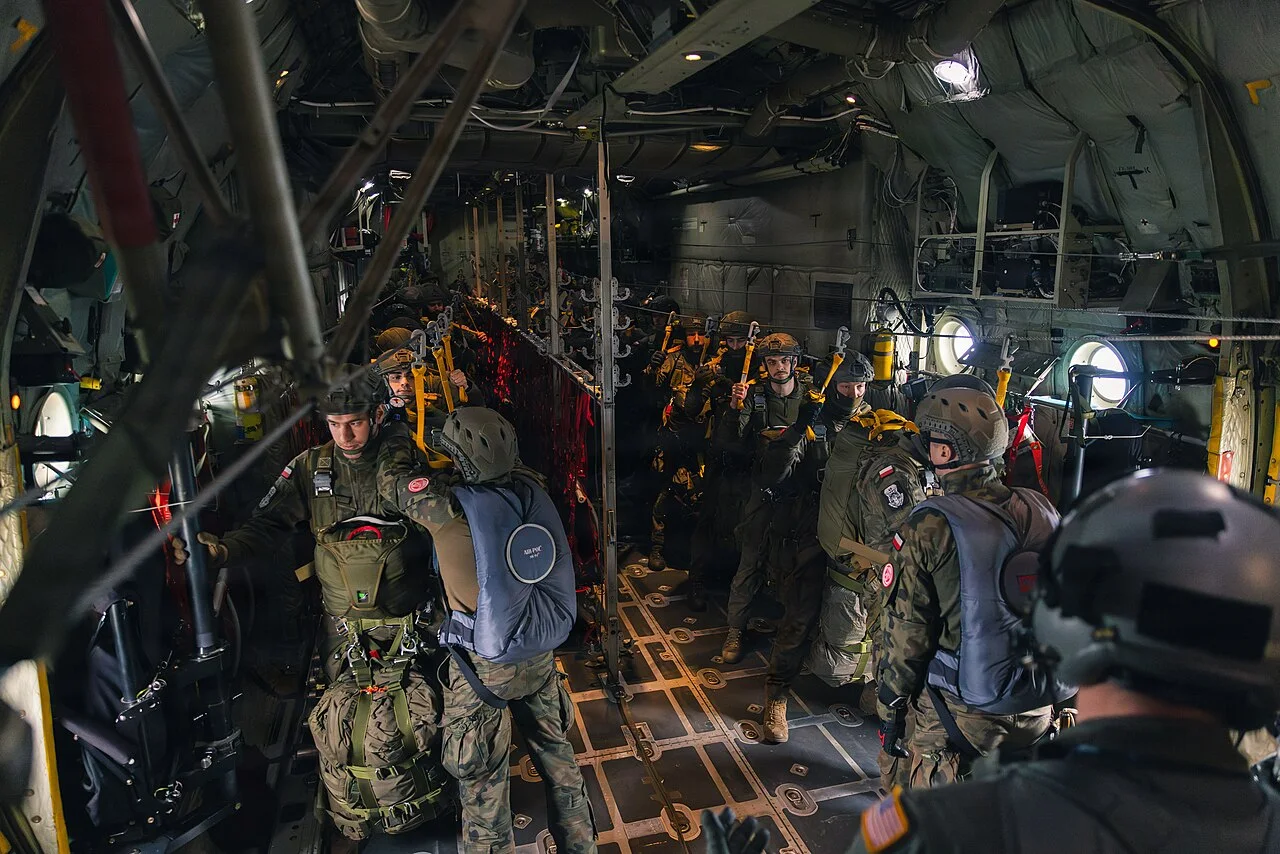
Prosecutors say O'Corrain got through Shannon's security perimeter at about 4:39 a.m. local time on April 11, 2026, and walked to the C-130H, which was parked on a taxiway on its way to another country on a U.S. military assignment. He broke the lock on the rear crew door and got inside. Then he covered every window except the cockpit's, the indictment says.
Over several hours, the charges say, he sliced through wiring and hydraulic lines, smashed every gauge in the cockpit, punctured the air ducts and crimped a liquid oxygen line. He also brought capsules of gallium. The metal is liquid at room temperature and eats through aluminum, the main material in the plane. The tool bag found with him held a heat gun, and the indictment notes that a heat gun can be used to warm gallium until it melts.
When the flight crew came back to leave, they spotted him through a cockpit window and called airport security. Crew members then saw him climb out a hatch in the roof, hit the outside of the plane with an axe and put ball bearings and unknown substances into the fuel tanks, prosecutors say. Irish authorities arrested him on the roof.
The plane is out of service for good. U.S. authorities later removed its tail section so the aircraft could be stored and taken apart, the indictment says.
Months of planning, prosecutors say
O'Corrain searched online for how the C-130 is built and ordered gallium the same day, the indictment says. He looked up coordinates for where to get through the airport fence and subscribed to an app that tracks aircraft, including military planes, which sent him an email alert when this plane landed at Shannon.
Prosecutors say he also researched earlier attacks on U.S. military aircraft at Shannon and tried to email a person arrested in one of them. The indictment says he knew which wires he could cut safely and which chemicals would corrode the airframe. Had he cut the liquid oxygen line instead of crimping it, prosecutors wrote, there was "a high chance of a massive explosion within the Aircraft."
"This was not an act of spontaneous vandalism," said James C. Barnacle Jr., the FBI's assistant director in charge in New York.
Three earlier breaches at Shannon
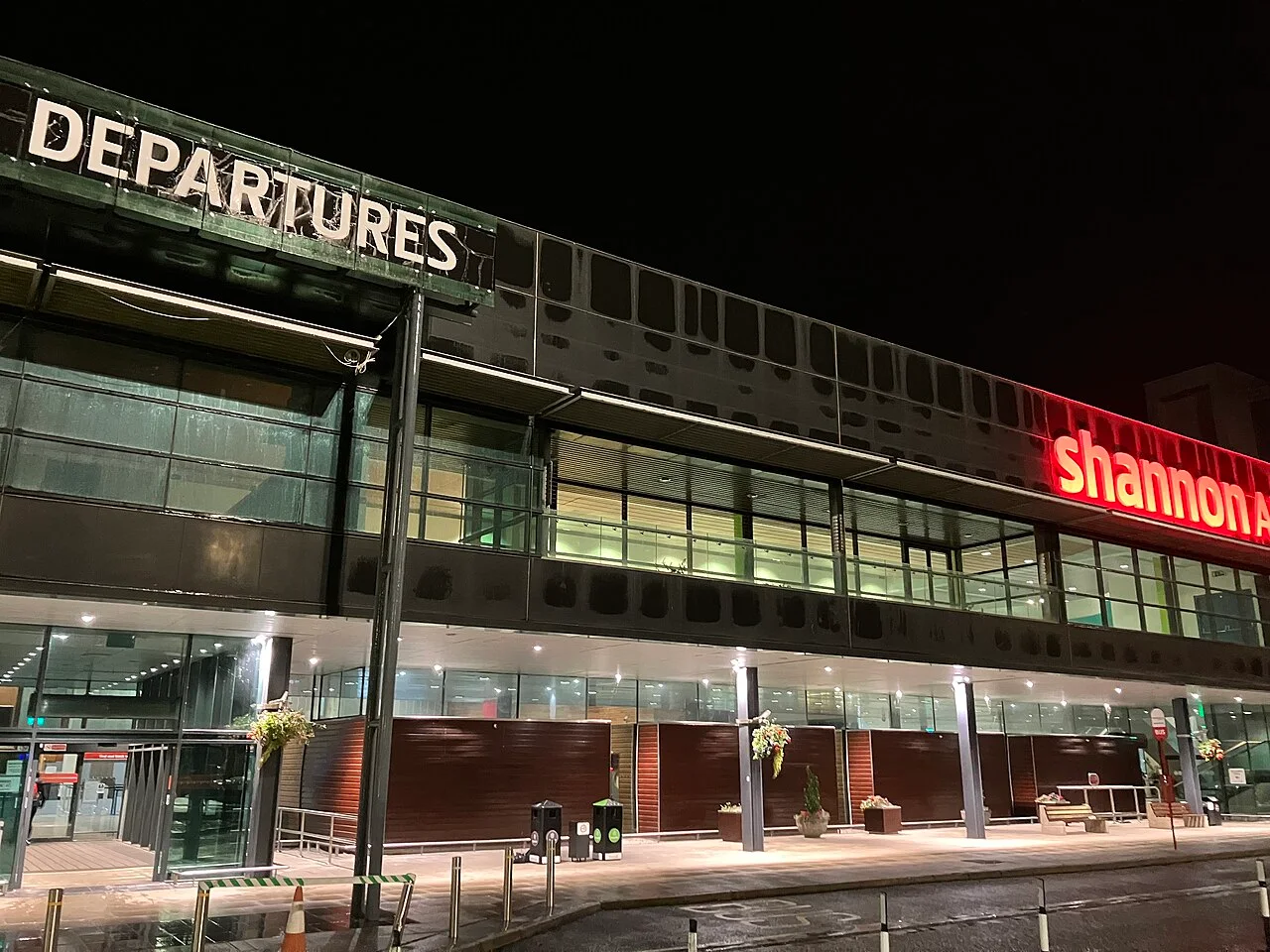
Shannon, on Ireland's west coast in County Clare, is a major stopover for U.S. troops and military equipment crossing the Atlantic, the indictment says. It lists three earlier incidents at the airport, all carried out by other people:
| Date | What prosecutors say happened |
|---|---|
| May 1, 2025 | Three people drove a van through the perimeter fence and were arrested by Irish authorities |
| May 17, 2025 | Three people got onto the runway and sprayed paint on a U.S. military aircraft, grounding it for a time |
| Nov. 22, 2025 | Three people drove a van to a parked U.S. military C-40 in a restricted area before airport security stopped them |
Prosecutors call those incidents less serious than the April attack, and the indictment describes them as part of an escalating series.
The charge and what comes next
O'Corrain is charged under the federal law against damaging U.S. government property, which carries up to 10 years in prison when the damage tops $1,000. Because the alleged crime happened outside any U.S. district, a separate federal law puts the trial where the defendant is arrested or first brought.
The indictment says O'Corrain "is expected to be first brought to and arrested in the Southern District of New York." Neither the indictment nor the announcement says when that will happen or whether he is still held in Ireland. The government also seeks forfeiture of property used in the offense.
The FBI's New York Joint Terrorism Task Force investigated the case. The U.S. attorney's office credited Ireland's government, the Missouri Air National Guard and the Air Force Office of Special Investigations with helping. No defense lawyer is listed in the announcement.