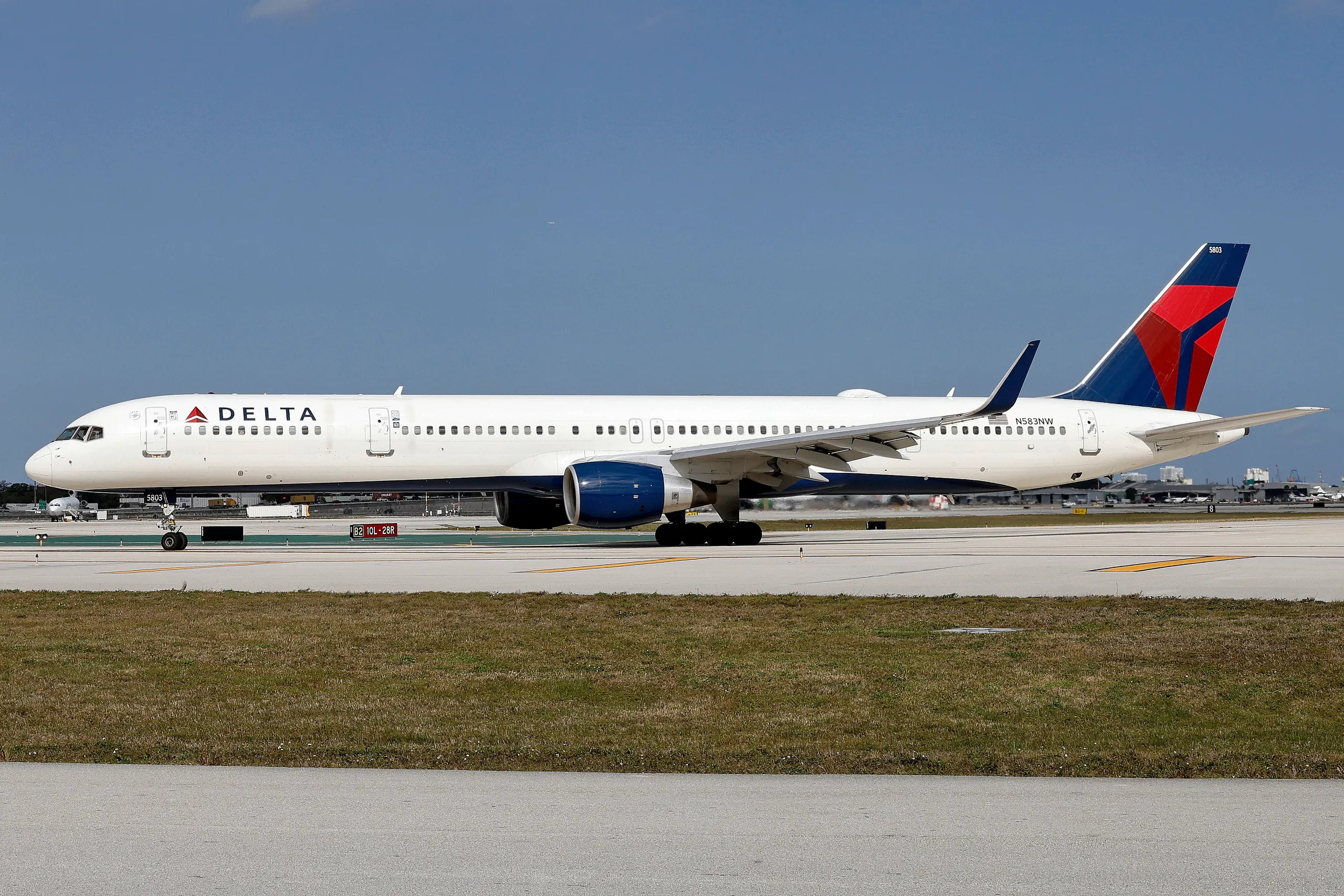
The Federal Aviation Administration's status board no longer listed Tampa International Airport's earlier departure delay when checked at 3:17 p.m. Eastern Friday, November 20. Its planning table still listed a possible Tampa ground stop through 5 p.m. Eastern, a forecast rather than an active restriction. The board did not provide a separate time for ending the earlier delay entry.
An earlier Tampa entry, updated at 2 p.m. Eastern, had put the average departure delay at 90 minutes due to thunderstorms, down from two hours at 12:27 p.m. Eastern. Removal from the board does not establish that every flight is on time. Passengers should check their own departure with the airline.
FlightAware's Tampa statistics showed 79 delayed flights and four cancellations at 12:27 p.m. Eastern. Those daily totals include different causes and do not establish that thunderstorms caused every disruption.
Before changing your flight

Check the airline's departure estimate and any connecting flight before accepting a replacement itinerary. Ask the airline which options it is offering for your booking; a weather delay does not itself establish a free change or a hotel entitlement.
The Transportation Department's cancellation and delay dashboard describes airline commitments for disruptions within the carrier's control, such as crew or maintenance problems. Those commitments should not be read as a promise of the same benefits for thunderstorms.
Refund rights are separate. The department says that if an airline cancels a flight or makes a significant change, passengers who decline the alternative offered are entitled to a refund, including holders of nonrefundable tickets. An airport-wide delay estimate is not a ruling on whether a particular booking qualifies.