A Missouri judge on Friday, Nov. 20, gave final approval to Monsanto's class settlement of up to $7.25 billion for people who say exposure to Roundup weed killer caused their non-Hodgkin lymphoma, according to a statement from Bayer, Monsanto's parent company. The order can still be appealed.
The deal, approved by the Circuit Court of the City of St. Louis, is meant to settle current claims and ones that have not been filed yet, including cancers that will not be diagnosed for years.
Who the settlement covers and how it pays
The class includes people who say they were exposed to Roundup before Feb. 17, 2026, the day Monsanto announced the proposed deal, and who either:
- already have a non-Hodgkin lymphoma diagnosis, or
- are diagnosed with it within 16 years after the settlement takes effect.
Claims go through a single program run by a professional claims administrator. Registration rules and deadlines are posted on the settlement's official website, along with the class notice and the full agreement. Check the registration deadline there.
People had a chance to opt out of the class earlier this year. Bayer says it expects the number who did to be "manageable" and a very low share of current and future claims.
Monsanto will make capped annual payments that shrink over time, for up to 21 years, and the total includes payments it has already made. Bayer says the settlement contains no admission of liability or wrongdoing, and it continues to say glyphosate, Roundup's active ingredient, does not cause cancer.
The long payout is built for people diagnosed years from now, and it depends on the approval holding up.
Bayer says any appeal of Friday's order would stop further Monsanto payments until every appeal is exhausted, and the company plans to defend the order alongside class counsel.
How the Supreme Court ruling fits in
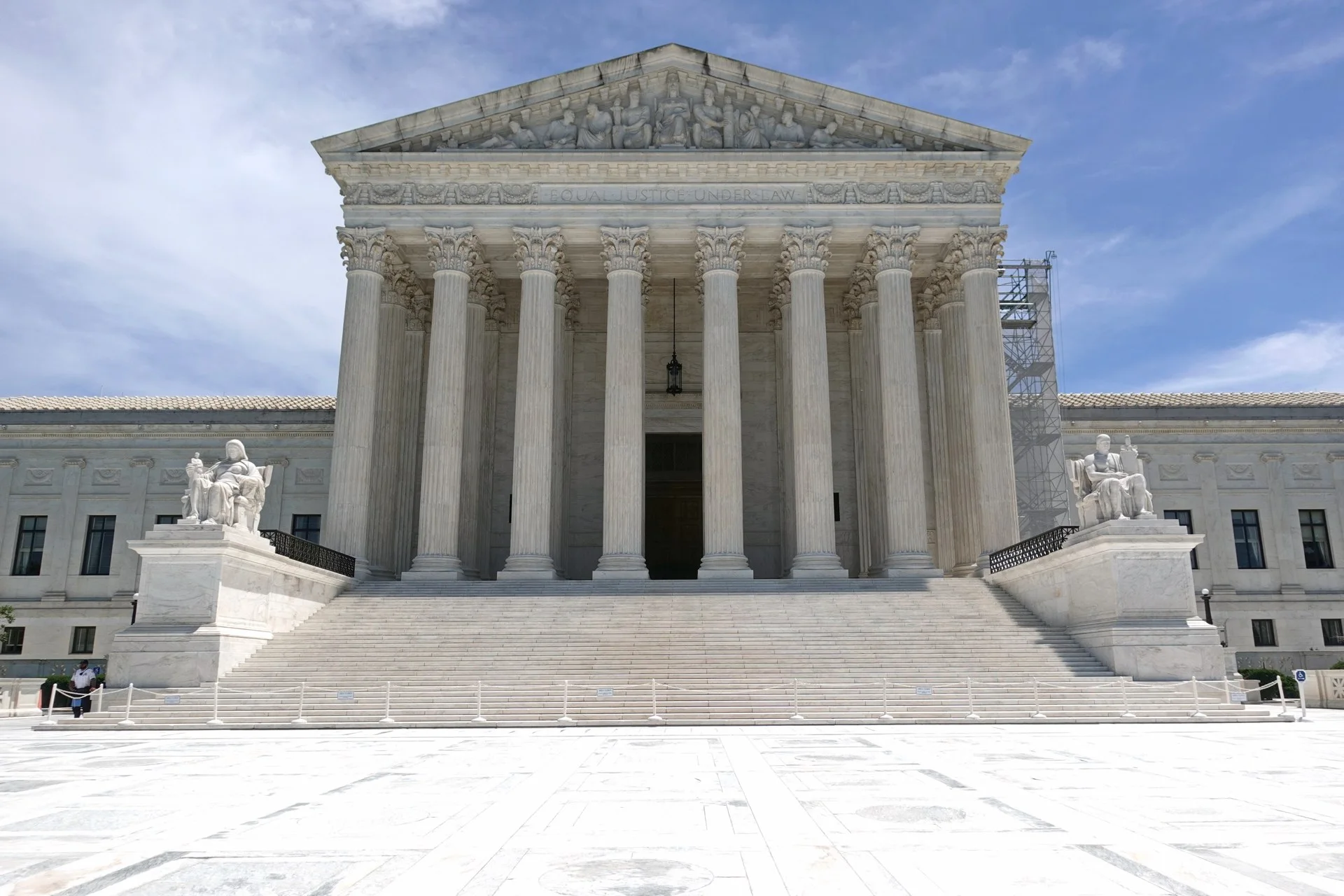
The settlement is one half of Bayer's strategy to end the litigation. The other half came on June 25, when the Supreme Court ruled in Monsanto v. Durnell that federal pesticide law preempts state-law claims that Monsanto failed to warn customers about cancer, because such a claim would require Monsanto to add a cancer warning to Roundup's label.
Bayer calls failure to warn the central theory in the litigation so far, and it argues the ruling forecloses those claims, including ones filed by people who opted out of the class.
Opt-outs can still sue on other grounds, such as design defect or negligence. Bayer says the first trial after the ruling ended in a unanimous verdict for Monsanto.
Bayer says it pursued the settlement alongside the Supreme Court case because the class program pays eligible people no matter which legal theory their claim rests on, so it also covers claims the ruling would not have ended.