
Sens. Maria Cantwell and Mike Rounds want the White House to accelerate AI cyberdefense for American banks, hospitals, utilities and small businesses while setting safeguards for the AI agents doing that work.
Their November 18 letter pairs faster detection and repair of software flaws with tighter control of automated defenders. It is a request for federal action, not a newly enacted security requirement.
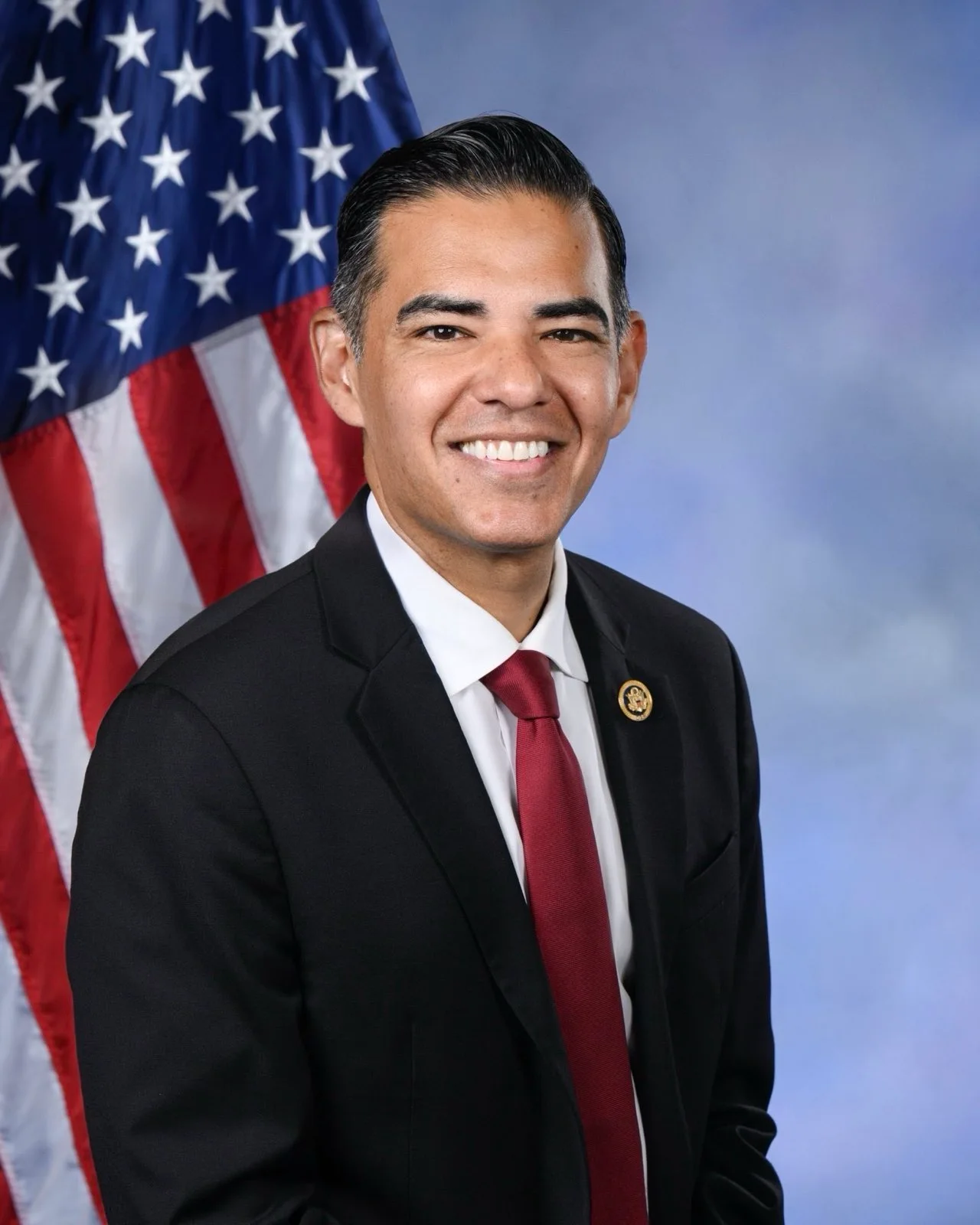
Cantwell, the Washington Democrat who is the Senate Commerce Committee's ranking member, and Rounds, the South Dakota Republican who chairs the Armed Services cybersecurity subcommittee, ask for agency responsibilities, milestones and an assessment of needed resources and legal authority.
What the senators want changed

The letter proposes using AI to find vulnerabilities, test repairs, stop attacks and install lasting fixes. It seeks evaluation standards and risk guidance from the National Institute of Standards and Technology, with deployment coordinated through the Cybersecurity and Infrastructure Security Agency.
The senators also want limits on agents' access, secure testing, continuous monitoring and independently auditable behavior. A proposed national cyberdefense challenge would measure how quickly a critical vulnerability moves from discovery to effective protection.
The standards work already underway
NIST began an AI Agent Standards Initiative in February. Its three areas cover industry-led standards, community work on open protocols and research into agent security and identity. The November letter therefore lands amid an existing federal effort to define how these systems should interact and operate safely.
Agents differ from a chatbot that only returns an answer. NIST describes systems that can write and debug code, manage email or calendars and shop online. Their usefulness depends partly on whether they can interact with external software and services. Those connections also create access decisions that a text-only conversation does not require.
NIST's May analysis of security feedback found that established cybersecurity principles remained relevant but needed adaptation for agents. Respondents identified government roles in implementation guidance, information sharing and standards development.
Why identity and permission are separate problems

NIST's summary of comments on agent identity and authorization reports more than 600 responses to its February concept paper. Much of the feedback favored building on existing identity systems instead of creating an entirely separate stack.
Identifying an agent establishes which system is acting. Authorization determines what it may do for a particular task. Commenters sought narrowly scoped permissions that can be reassessed as work continues, rather than broad credentials carried indefinitely from one assignment to another.
Delegation adds another complication. An agent handing work to another agent should not cause permissions to accumulate along the chain. The feedback also calls for records that connect actions to whoever authorized them, the tools and resources used, and the relevant context.
Accountability carries a privacy tradeoff. Persistent identities shared across services could make it easier to track users, the comments warn. NIST plans a draft project description for further feedback. This comment summary is research toward that project, not a final mandatory standard.
What security testing has shown
A NIST research account published in March examined agent hijacking through malicious instructions planted in material an agent encounters, such as an email, website or code repository. Such instructions can redirect a system toward unintended actions, including leaking information or downloading malicious code.
The competition covered 13 frontier models and more than 250,000 attack attempts from over 400 participants. Researchers found at least one successful attack against every target model, with results varying substantially among models.
Those findings describe a controlled competition. They do not establish a failure rate for deployed bank or hospital systems, or prove that a particular organization suffered an attack.
The research also found that stronger general capabilities did not consistently predict stronger security. An organization's evaluation therefore needs to test the agent's defenses and permitted actions separately from whether it can complete the intended task.