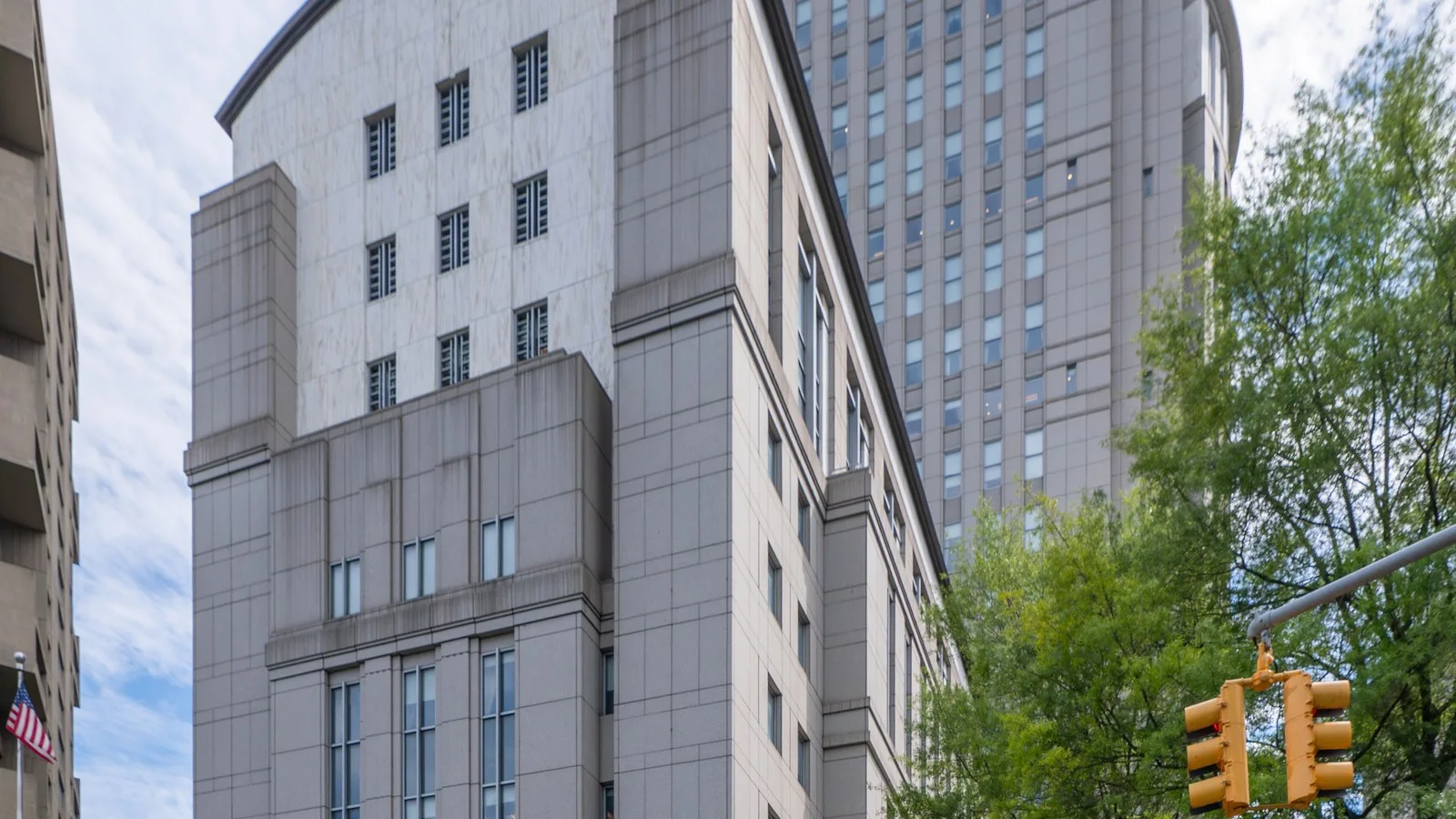
A federal judge in Manhattan on Friday, Nov. 20, sentenced Nikhil Gupta, a 55-year-old Indian national, to 235 months in prison, nearly 20 years, for plotting the assassination of a Sikh separatist leader in New York City, the U.S. Attorney's Office for the Southern District of New York announced. U.S. District Judge Victor Marrero imposed the term, the low end of the federal guidelines range, plus a $300 special assessment.
"While in India, Gupta helped to methodically plan the victim's murder, believing he was beyond the reach of a U.S. court," U.S. Attorney Jamie McDonald said. "But Gupta was wrong."
Gupta admitted his part in a 2023 scheme to pay a hitman $100,000 to kill Gurpatwant Singh Pannun, a U.S. citizen and Sikh separatist leader who lives in New York City. Federal prosecutors say the plot was directed from India by a Government of India employee, Vikash Yadav, who was charged in the same case. The supposed hitman was an undercover officer with the Drug Enforcement Administration.
What Gupta admitted
Gupta pleaded guilty on Feb. 13, 2026, without a plea agreement, to three counts: murder-for-hire conspiracy, murder-for-hire and conspiracy to commit money laundering, according to the government's sentencing submission in United States v. Gupta, case 23 Cr. 289. The first two counts carry up to 10 years each and the money laundering count up to 20, according to the defense submission.
Before sentencing, the recommendations ran from 12 years to more than 24.
| Recommendation | Prison term |
|---|---|
| Federal sentencing guidelines range | 235 to 293 months |
| Prosecutors | 293 months, the top of the range |
| Probation office | 144 months |
| Defense | Joined probation's 144 months |
Prosecutors called the plot "a crime of the utmost seriousness" that "demands an equally serious penalty." The defense argued that the money laundering count, added in October 2024, rested on the same $15,000 cash payment as the other two charges and was brought "to increase Mr. Gupta's sentencing exposure."
The plot, as prosecutors describe it
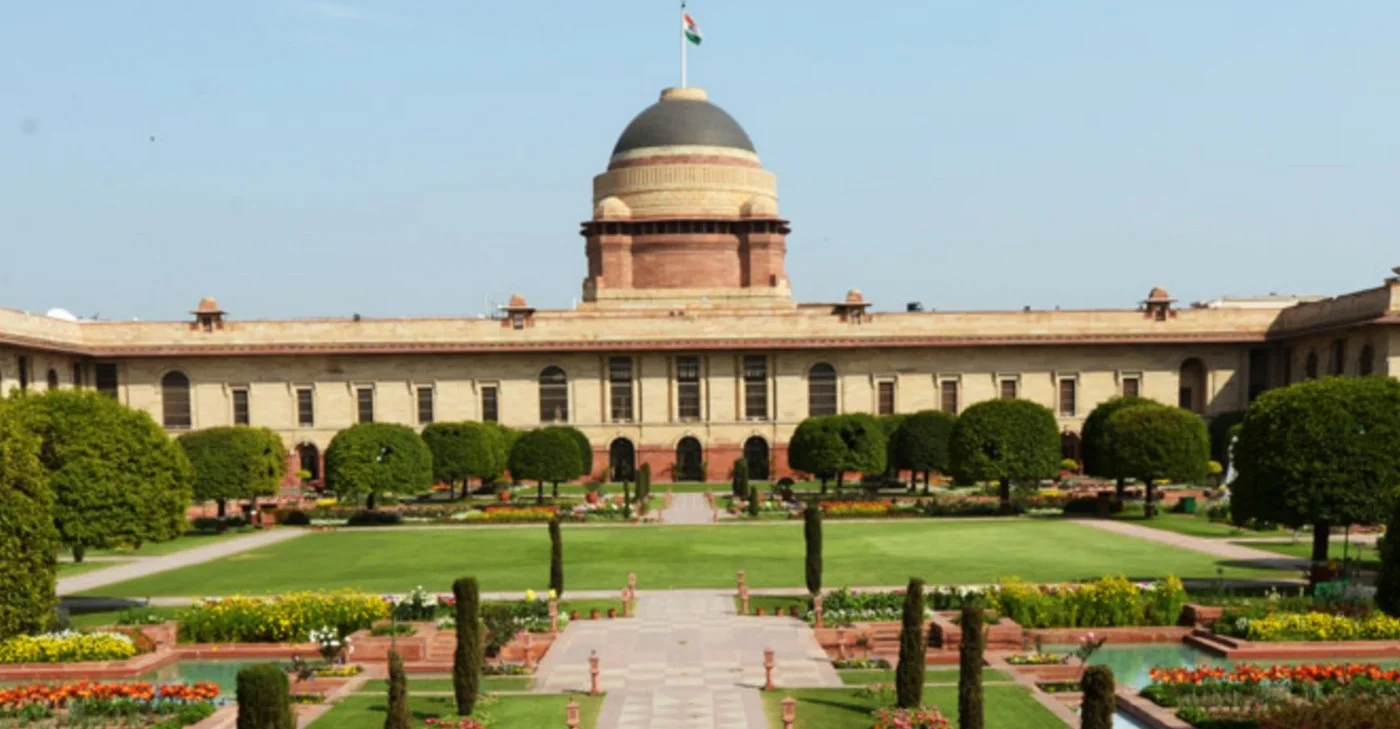
The government's filing says Yadav worked for India's Cabinet Secretariat, which houses the country's foreign intelligence service, the Research and Analysis Wing. He described himself as a "Senior Field Officer" with duties in "Security Management" and "Intelligence."
In May 2023, prosecutors say, Yadav recruited Gupta, an associate who had described his own involvement in drug and weapons trafficking. To find a hitman, Gupta reached out to a man he thought was a large-scale drug trafficker. That man was a confidential source working with the DEA, and he introduced Gupta to the supposed killer, a DEA undercover officer. Yadav agreed to pay $100,000, and on June 9, 2023, an associate delivered $15,000 in cash to the officer in Manhattan as an advance.
Yadav then passed along Pannun's home address and phone numbers, along with details of his daily routine, the filing says, and Gupta forwarded surveillance photos back to Yadav. Gupta told the officer not to carry out the killing around the Indian prime minister's state visit to the United States, which began about June 20, 2023.
On June 18, 2023, masked gunmen killed Hardeep Singh Nijjar, a Sikh separatist leader and associate of Pannun, outside a Sikh temple in British Columbia. That evening, prosecutors say, Yadav sent Gupta a video of Nijjar's body and, about an hour later, Pannun's street address. The next day Gupta told the undercover officer that Nijjar "was also the target" and that there was "now no need to wait."
Arrest in Prague and extradition

Czech police arrested Gupta at the Prague airport on June 30, 2023, at the request of the United States, and he was extradited to New York on June 14, 2024. A second superseding indictment filed on Oct. 17, 2024, named Yadav as a co-defendant and added the money laundering count.
Yadav, whom prosecutors describe as directing the plot from India, has been charged but "has not yet been arrested in connection with those charges," the U.S. Attorney's Office said. The charges against him are accusations, and he is presumed innocent unless proven guilty.