New York will use the federal Medicaid "hold harmless" period through June 30, 2027, Gov. Kathy Hochul announced November 19. The state estimates that nearly 2 million eligible residents could be affected by the new work requirements.
The decision pauses a specific reason for denying or ending coverage. It leaves other eligibility rules and renewal obligations in place. The federal work requirement still begins January 1, 2027. New York's choice follows the optional federal transition period announced last week.
Which coverage decisions are paused
The federal instructions to state Medicaid directors allow participating states to suspend denials and disenrollments when someone has not demonstrated compliance with community engagement requirements. The protection covers otherwise eligible applicants and members whose applications are received or renewals are initiated during the state's approved period.
States must still assess whether people meet the requirement or qualify for an exclusion or exception. That lets agencies test their systems before those findings can lead to a loss of coverage.
The letter expressly excludes other eligibility criteria from the pause. Someone who no longer meets the income or age rules can still lose eligibility. It also requires federal approval of state mitigation plans and asks states planning a January 1 start to notify the Centers for Medicare & Medicaid Services by December 11. Hochul's announcement states New York's choice; the federal approval process remains part of implementing it.
For applications received and renewals initiated after the state's transition period ends, the usual enforcement procedures apply. The federal rules require a notice and 30 calendar days to demonstrate compliance or an exemption when the state cannot verify it. People who are disenrolled may reapply.
Who needs to check their notices
The CMS explanation of the rule identifies the affected group as certain adults ages 19 to 64 in Medicaid expansion coverage or comparable federal waiver coverage, who are not pregnant and are not enrolled in or entitled to Medicare. Being on Medicaid does not by itself mean the work requirement applies.
Qualifying activities include 80 hours a month of work, community service or a work program, a combination totaling 80 hours, or enrollment in education at least half time. The rule also provides an earnings route based on 80 times the federal minimum wage. Its cited 2026 figure is $580 a month.
Exclusions include pregnancy and postpartum coverage, certain parents and caregivers of children under 14 or people with disabilities, and several other groups. A counselor can help someone understand which category applies and how the state verifies it.
The Bronx request is separate
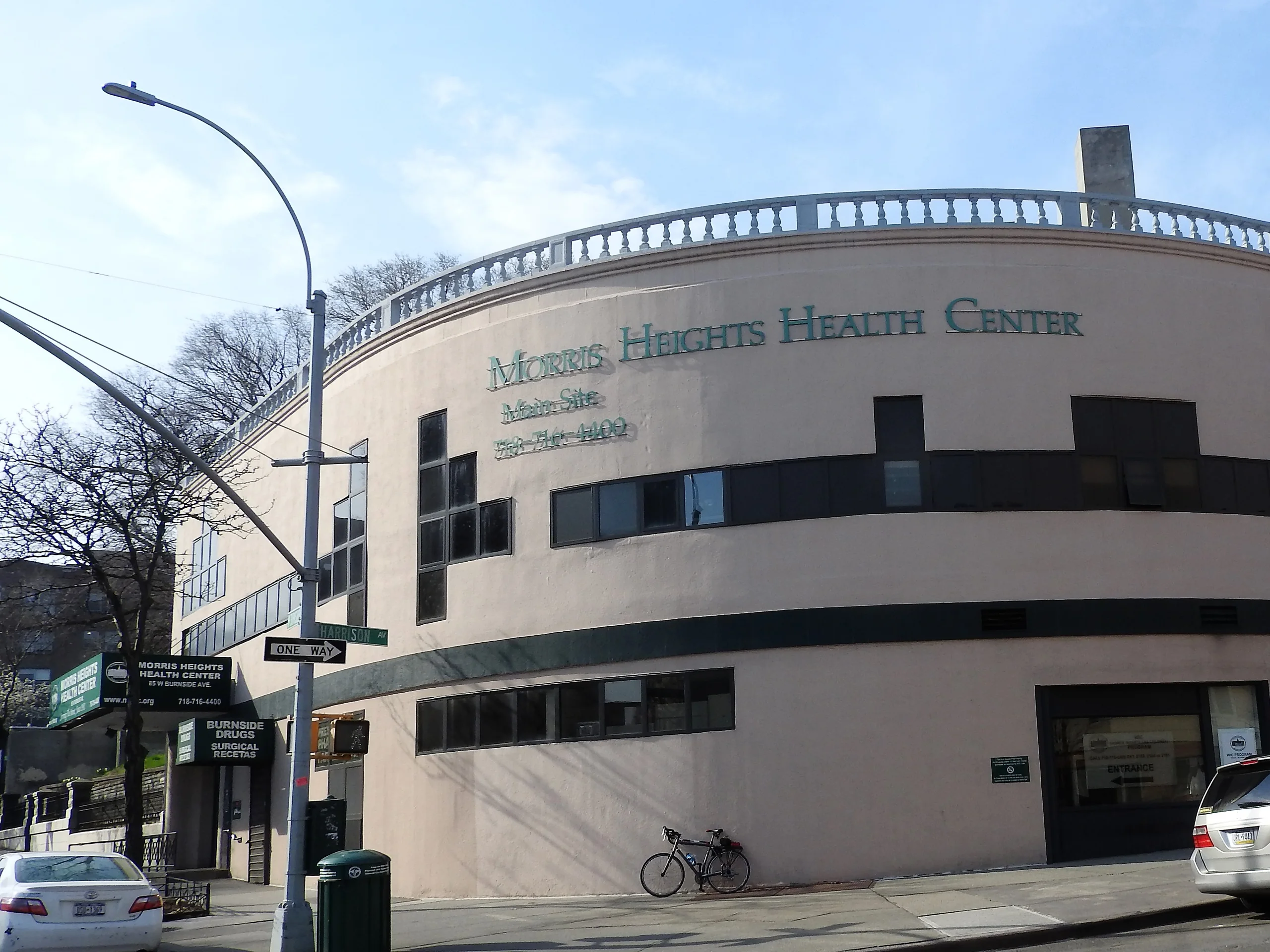
New York is also seeking a temporary county hardship exemption for Bronx residents because of high unemployment. That request requires federal approval. It should not be treated as an exemption already granted to every resident.
A county exemption would address whether the work requirement applies there while the exemption lasts. The statewide hold harmless period addresses coverage consequences during the transition. Residents should keep checking their own notices even if they live in the Bronx.
Where to get free help
The state also announced $213 million over five years for enrollment assistance. Navigators help with applications, paperwork and benefits questions. Residents can use the state's Find Local Help directory or call NY State of Health at 1-855-355-5777.
The NYC Health Department's member guidance says to keep contact details current and pay attention to renewal notices. Some adults will move to six-month renewals instead of annual renewals, a separate change that the work-rule enforcement pause does not erase.
City enrollment counselors provide free help in many languages at 866-INSURED, or 866-467-8733. If an insurance card shows a private insurer's name and you are unsure whether the plan is Medicaid, call the Member Services number on the card.