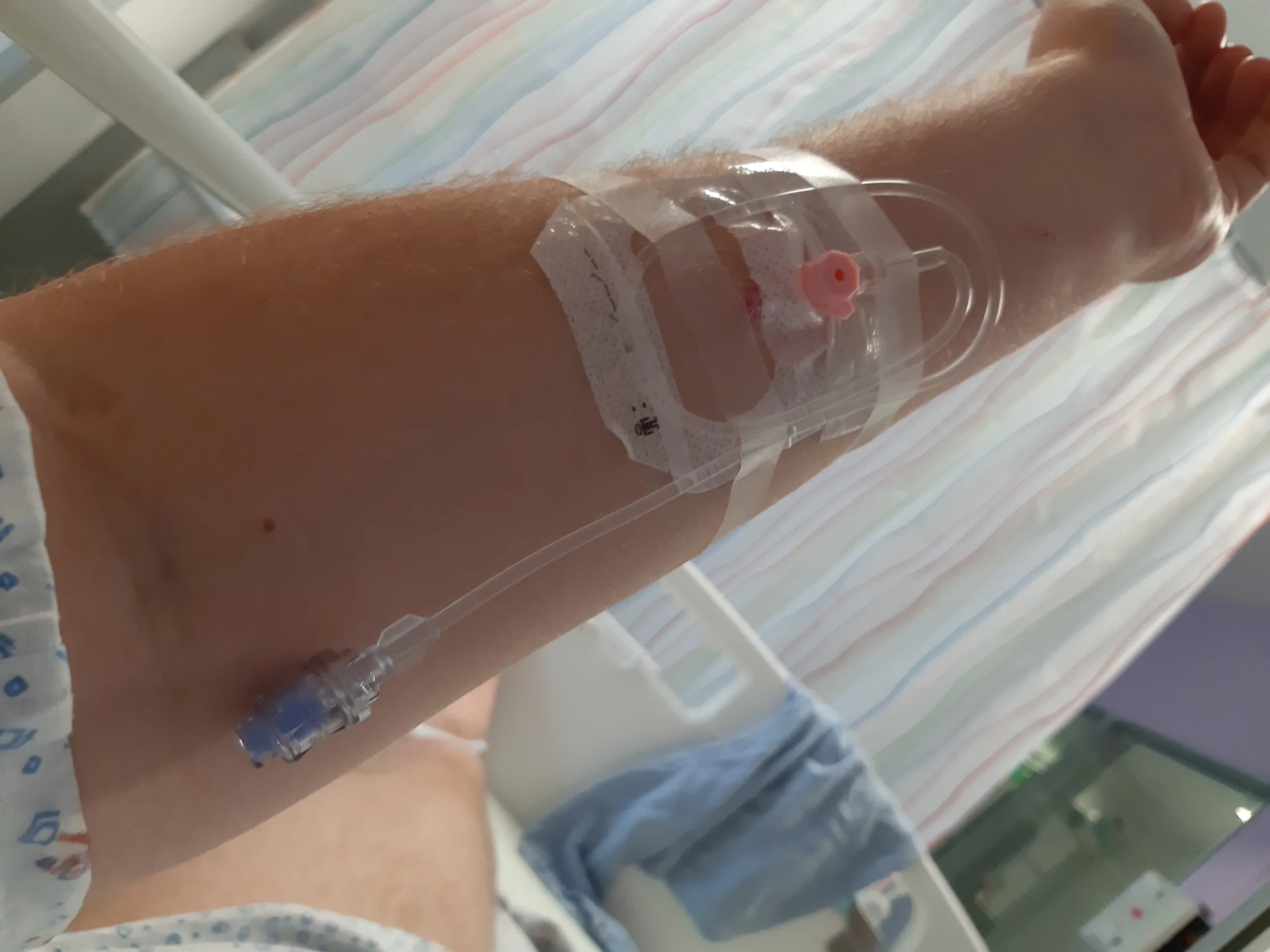
The FDA warned Thursday, November 19, that some B. Braun Caresite Micro IV-access valves may stay open after disconnection, allowing blood or medication to leak and air to enter.
The early alert identifies component S5404000 and links a full affected-product spreadsheet. B. Braun sent customers a correction letter November 13. The FDA is still reviewing the issue.
What care teams should check
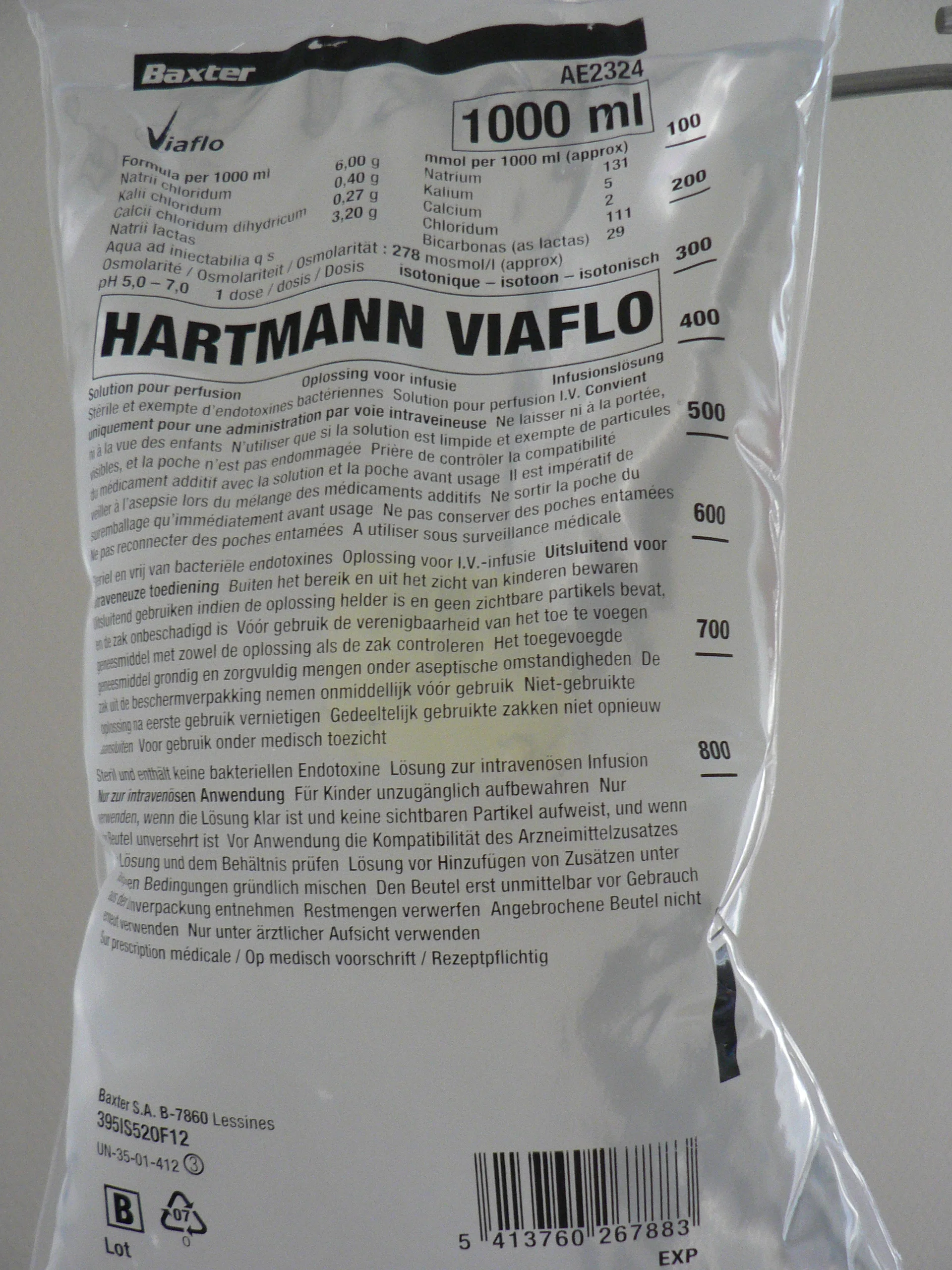
Clinicians should inspect the device after disconnecting a male luer connector and replace it if it leaks, shows backflow or remains open. A faulty valve bonded to an extension set requires replacement of that set; a standalone valve can be replaced without changing the entire tubing setup, under hospital protocols.
That replacement requires compatible components and infection precautions. The CDC's catheter guidance calls for components that fit together to limit leaks and breaks, disinfection of access ports, and sterile devices when accessing them. These are existing clinical practices, alongside the new product-specific inspection instructions.
In its central-line guidelines, the World Health Organization explains that closed needleless hubs are designed to prevent blood leakage and air entry while reducing opportunities for contamination. It also calls for clinicians trained in catheter access and replacement.
The FDA identifies newborns, children and critically ill patients among those at greatest risk. B. Braun had reported no serious injuries or deaths as of November 3, the alert says.
U.S. customers can contact B. Braun at 844-903-6417 or Recalls@bbraunusa.com.