The Food and Drug Administration has approved Klygefa, a once-weekly injection that some adults with generalized myasthenia gravis can give themselves at home after training. The approval covers adults who test positive for antibodies against the acetylcholine receptor, or AChR. The FDA records the approval on Nov. 13. Drugmaker Alexion and the Muscular Dystrophy Association announced it on Monday.
Myasthenia gravis interferes with communication between nerves and muscles. In the generalized form, weakness can affect swallowing, speech, breathing or limb movement as well as the muscles around the eyes. Klygefa, also called gefurulimab-gaks, inhibits a component of the immune system called C5 that contributes to damage where nerves meet muscles.
What the trial found
The PREVAIL study assigned 260 adults at random to Klygefa or a placebo. It measured changes in an eight-item questionnaire about daily tasks such as talking, chewing and getting up from a chair. Scores range from 0 to 24, with higher scores indicating more difficulty. At 26 weeks, scores fell by an average of 4.2 points in the Klygefa group and 2.6 points in the placebo group, an estimated difference of 1.6 points. The study compared the drug with placebo and did not measure which of the available treatments works best.
According to the FDA-approved label, treatment starts with a loading dose, followed by a weekly maintenance dose from day eight. The dose depends on body weight. A patient or caregiver can use the prefilled autoinjector after a health care professional provides training. Injection-site reactions, back pain and vomiting were the most common adverse reactions reported more often with Klygefa than with placebo, according to the label.
Vaccination and access
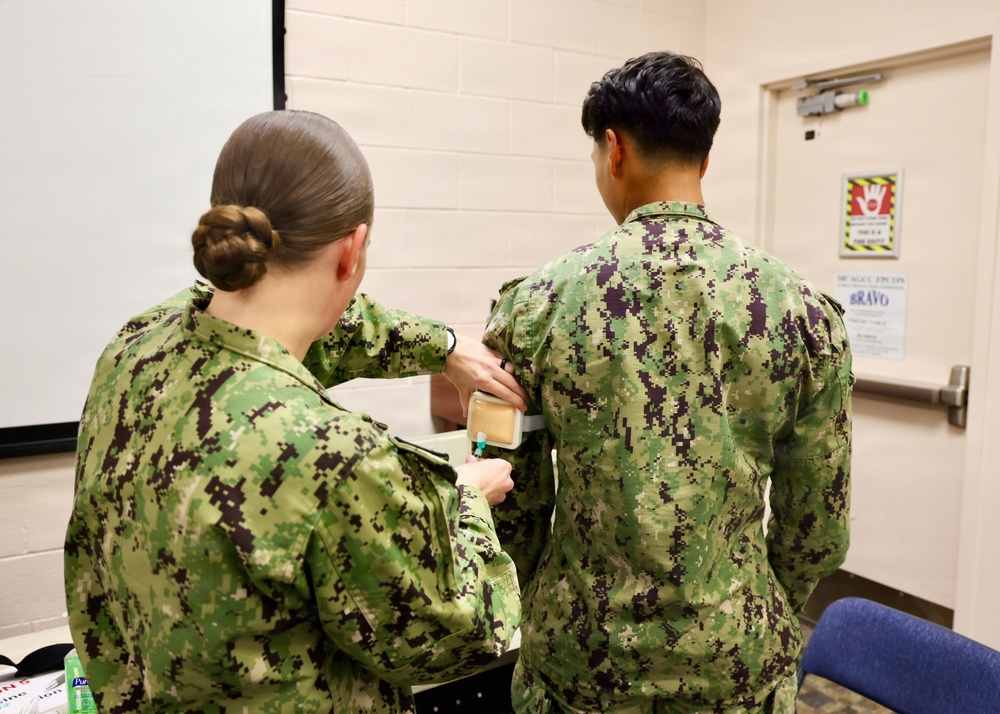
The FDA’s boxed warning says patients taking Klygefa have a higher risk of serious meningococcal infections, even if they have been vaccinated. Patients generally need to complete or update meningococcal vaccination at least two weeks before their first dose. If treatment must begin sooner and vaccination is out of date, the label calls for a prescriber to provide preventive antibiotics and arrange vaccination as soon as possible.
Prescribers and dispensing pharmacies must be certified in the restricted safety program. Patients receive a safety card to carry during treatment and for three months afterward. The label directs patients to seek immediate medical help if they develop symptoms of meningococcal infection, such as a fever with a rash or a headache with a stiff neck. Alexion’s announcement did not give a U.S. price or a pharmacy availability date.